
 Share
Share


 Print
PrintHorse pottery exhibition echoes equestrian games in SZ
Writer: Cao Zhen | Editor: Zhang Chanwen | From: Original | Updated: 2025-11-07
As the equestrian competitions of the 15th National Games take place in Guangming District from Nov. 10 to 19, Shenzhen residents have the chance to explore a related cultural event. Shenzhen Museum, in collaboration with the Shaanxi Tang Tricolor Pottery Art Museum, is staging a horse-themed pottery exhibition at its ancient art division.
Titled “Galloping Glory — Heritage of Tang Sancai Horse Figurines,” the exhibition presents 60 exquisite Tang Dynasty (618-907) artifacts, including sancai (three-color) glazed horses and wares as well as painted pottery horses and figurines. The flowing, vibrant glazes of the sancai pieces reflect the cultural exchanges along the ancient Silk Road and showcase the refined craftsmanship of the Tang era.
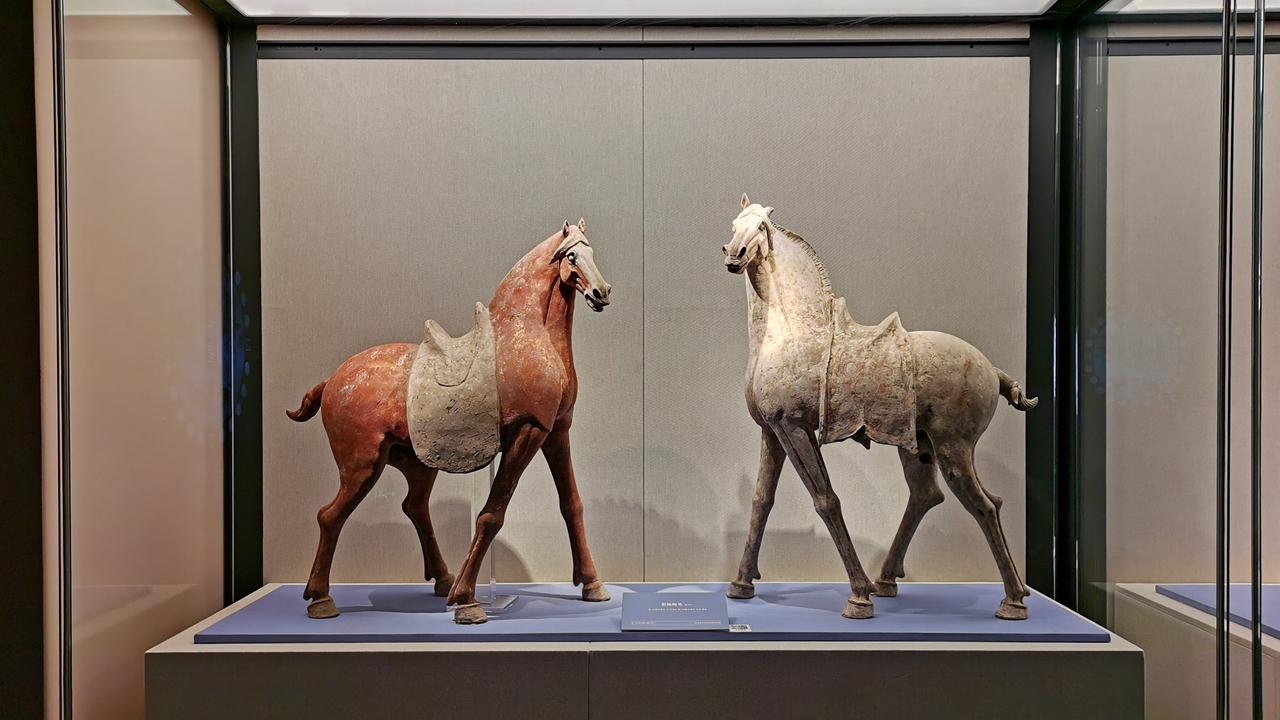
Painted pottery horses from the Tang Dynasty are on display. Photos by Cao Zhen
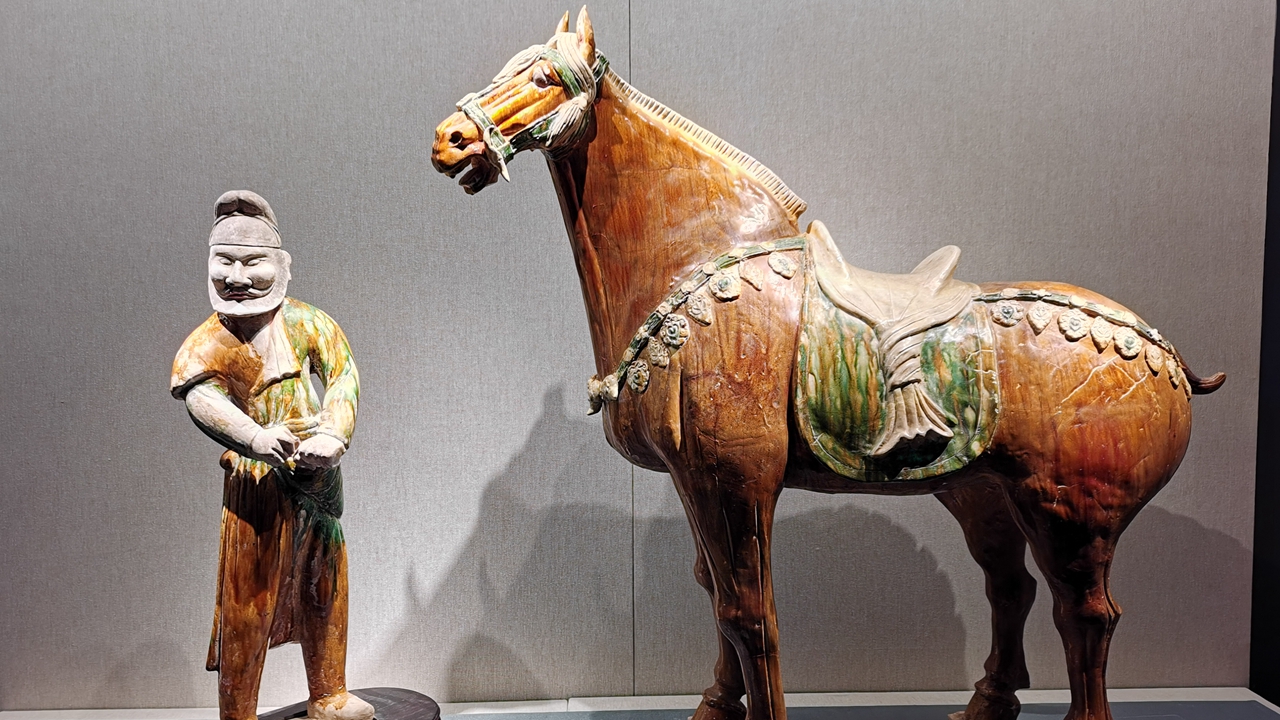
A sancai glazed figurine and a horse.
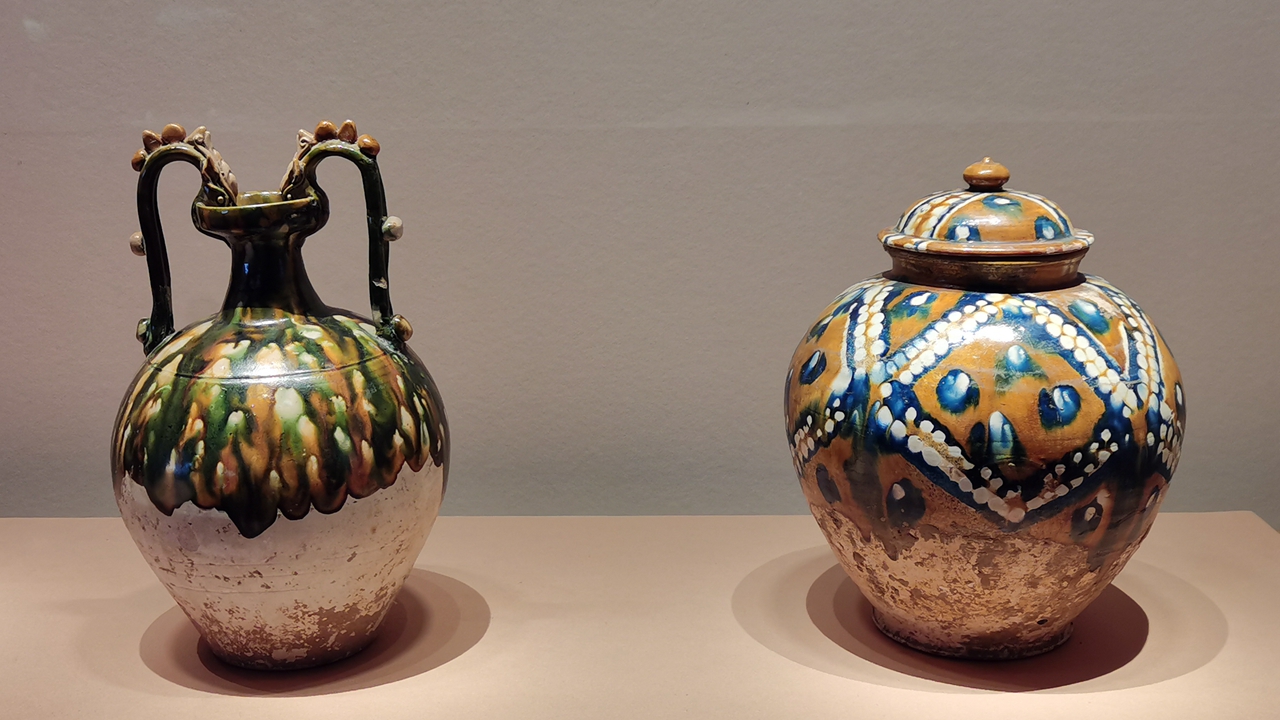
Sancai glazed wares.
The exhibition examines the central role of horses in Tang military affairs, the economy, sport, and entertainment, allowing visitors to experience the distinctive appeal of China’s equestrian culture and its deep historical legacy. Equestrian activities trace back to charioteering — one of the “six arts” — in the Shang (1600-1046 B.C.) and Zhou (1046-256 B.C.) dynasties. In the Tang period, equestrian pursuits — embodying elegance, power, speed, skill, and bravery — included polo, horse racing, dancing horses, and mounted archery.
To evoke a Tang atmosphere, the exhibition hall is adorned with wooden decorations, lanterns with flying-horse patterns, and light boxes with pearl and horse patterns. Horse-themed poems, idioms, and paintings are thoughtfully integrated throughout, with detailed captions that vividly illustrate the profound influence of horses on Tang society and culture.
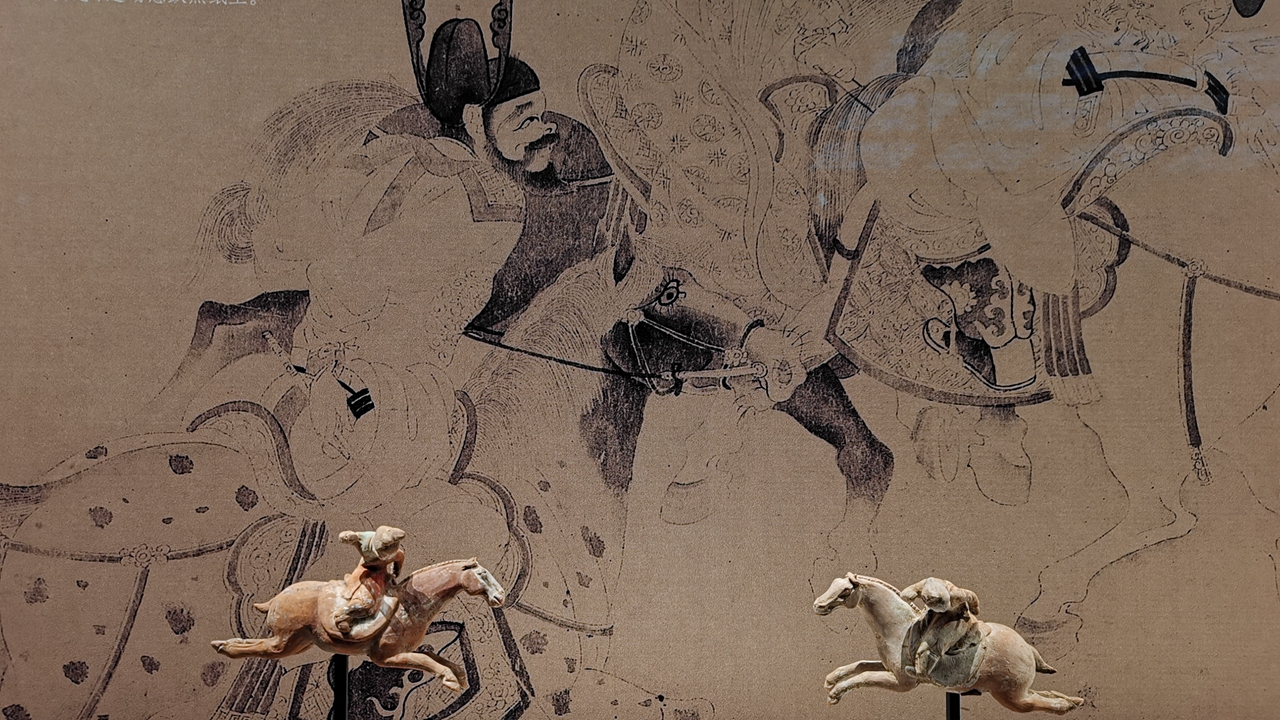
Painted pottery figurines of women playing polo on horseback.
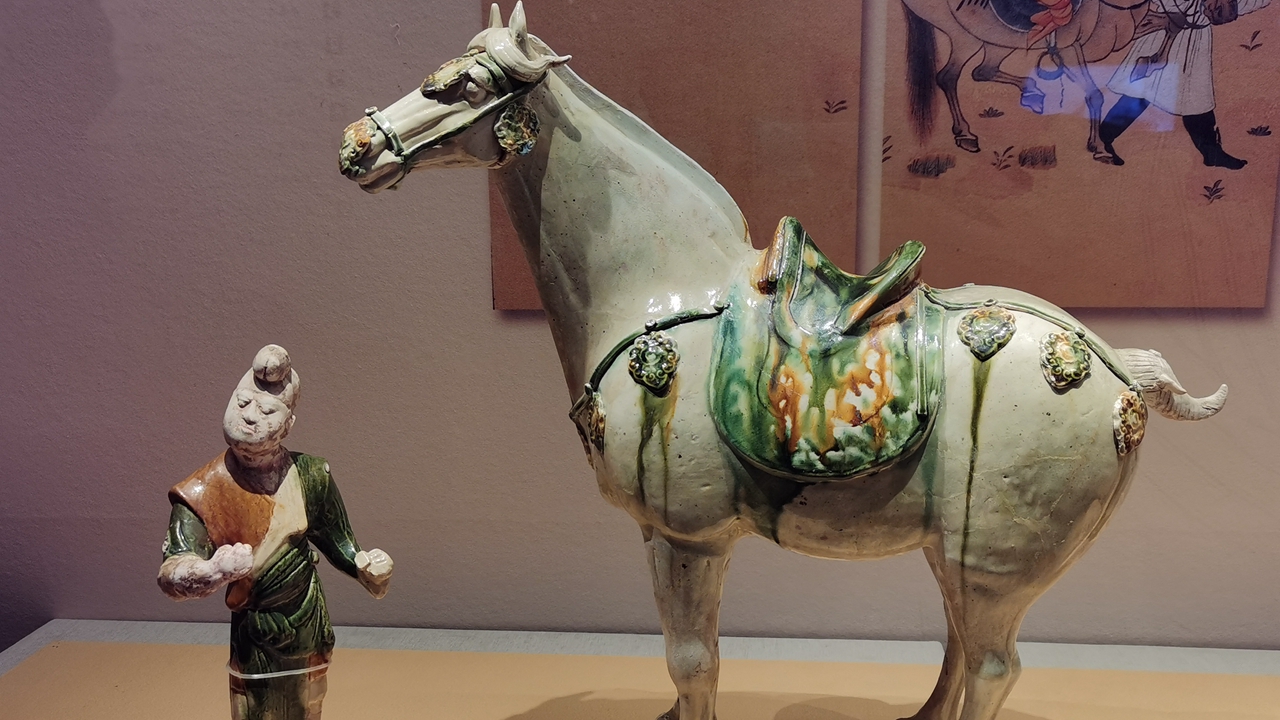
A sancai glazed figurine and a horse.
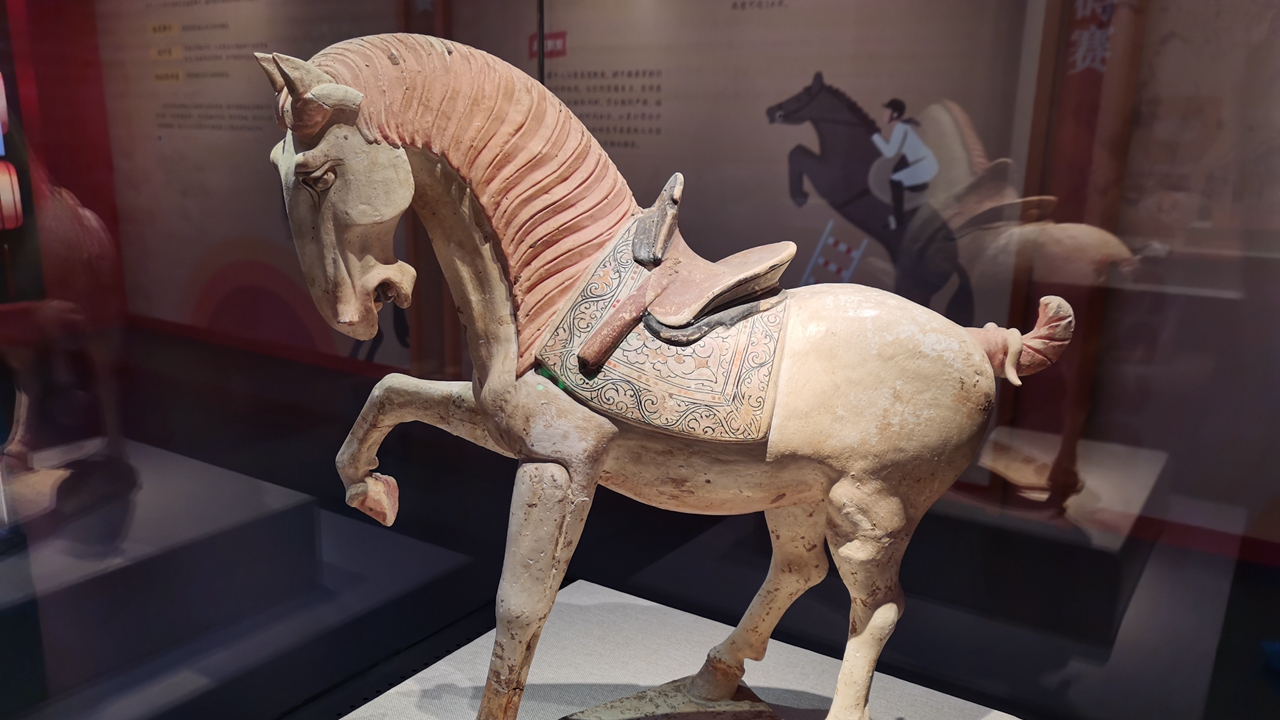
A dancing horse.
In addition to guided tours, the museum offers an AI guide providing bilingual explanations, interactive Q&A, and smart assistance; visitors can access it via rented self-service devices or by scanning a QR code at the entrance. A series of cultural activities is planned for December to create an immersive year-end viewing experience that connects these relics with New Year celebrations. To welcome the Year of the Horse, visitors can also draw a fortune slip at the exhibition.
Dates: Through March 22, 2026
Venue: Shenzhen Museum’s ancient art division, Tongxin Road, Futian District (深圳博物馆同心路馆-古代艺术)
Metro: Line 9 to Hongling South Station (红岭南站), Exit A