
 Share
Share


 Print
PrintChina's enduring commitment to shared progress
Writer: Syed Aoon Sherazi | Editor: Zhang Chanwen | From: Original | Updated: 2025-11-11
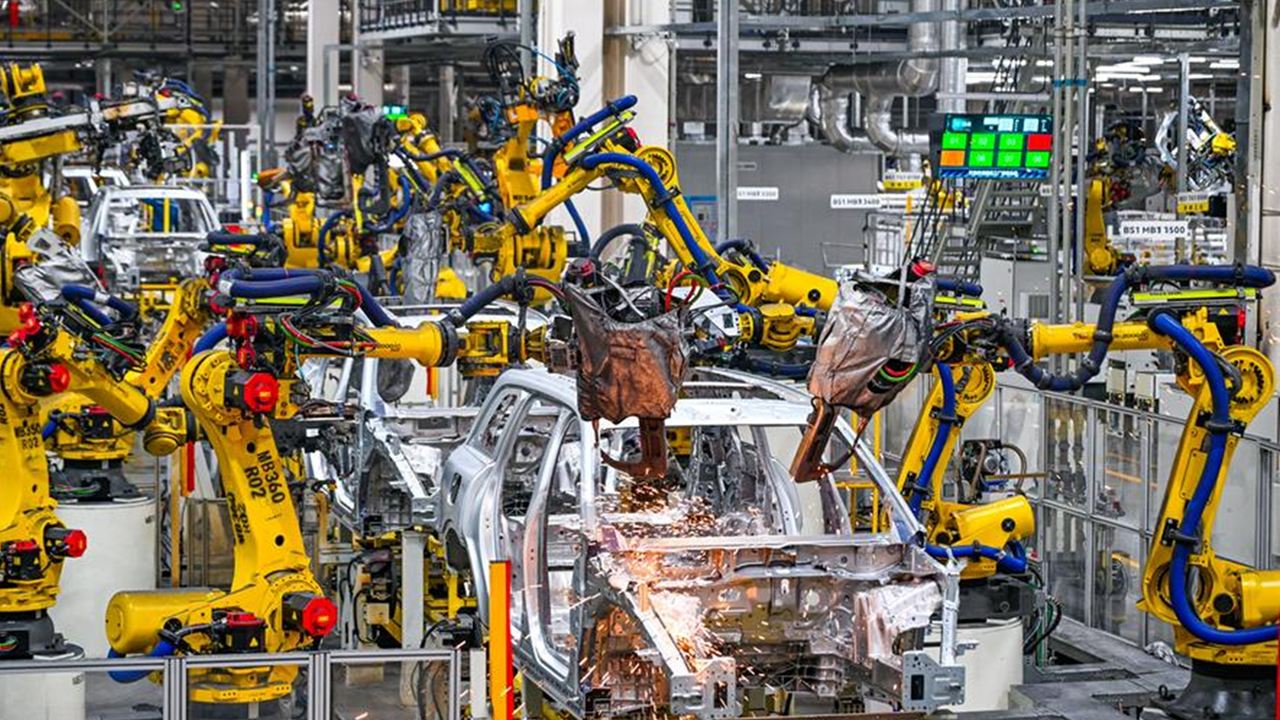
A drone photo shows the automated production at the Seres Super Factory in Liangjiang New Area, southwest China's Chongqing, on September 19, 2025. Xinhua
The fourth plenary session of the 20th Central Committee of the Communist Party of China (CPC) has emerged as a defining moment in shaping the nation's trajectory for the 15th Five-Year Plan period (2026-2030), a roadmap that will guide China's progress through the next phase of modernization.
This gathering did not simply review the achievements of the past; it projected a forward-looking vision that combines innovation, sustainability, inclusivity and global cooperation as the cornerstone of China's development philosophy.
In a world still recovering from economic uncertainty, geopolitical shifts and technological disruption, China's approach stands out for its clarity of purpose and consistency in long-term planning. The upcoming five-year plan is not just an administrative outline, it is a comprehensive strategy for achieving what Chinese President Xi Jinping has often described as "high-quality development." The emphasis now is on transforming China from a manufacturing giant into an innovation-driven powerhouse, ensuring that progress improves the quality of life for every citizen.
At the heart of the session was the principle of people-centered development. This philosophy ensures that economic reform and technological progress move in harmony with social stability and environmental protection. The session reaffirmed China's determination to narrow regional disparities, strengthen education and healthcare systems, and extend its poverty alleviation legacy through rural revitalization and balanced urbanization. In this framework, prosperity is measured not in numbers but in the wellbeing and dignity of the people.
Innovation, too, stands out as a driving force for the years ahead. The 15th Five-Year Plan period will intensify efforts in frontier fields such as artificial intelligence (AI), quantum computing, renewable energy and green manufacturing. These ambitions align closely with China's dual carbon goal, namely peaking carbon emissions before 2030 and reaching carbon neutrality by 2060. The CPC's determination is clear: Growth must remain in step with ecological civilization, a principle that has become central to China's modern identity and global responsibility.
Economic resilience and self-reliance are another key focus. Lessons from the recent global turbulence have strengthened China's resolve to build a secure and diversified industrial and supply chain system. The session underscored the need to expand domestic demand while maintaining a high level of openness to the world. Through programs like the Belt and Road Initiative and the Regional Comprehensive Economic Partnership, China continues to advance shared development, creating opportunities for cooperation amid global uncertainty.
The plenary also addressed the ongoing modernization of China's governance system. Governance reform is not only about administrative efficiency; it is about ensuring that institutions remain adaptive, transparent and responsive to emerging challenges. This modernization of governance will serve as the foundation for successfully implementing the 15th Five-Year Plan, turning policy vision into tangible progress at every level of society.
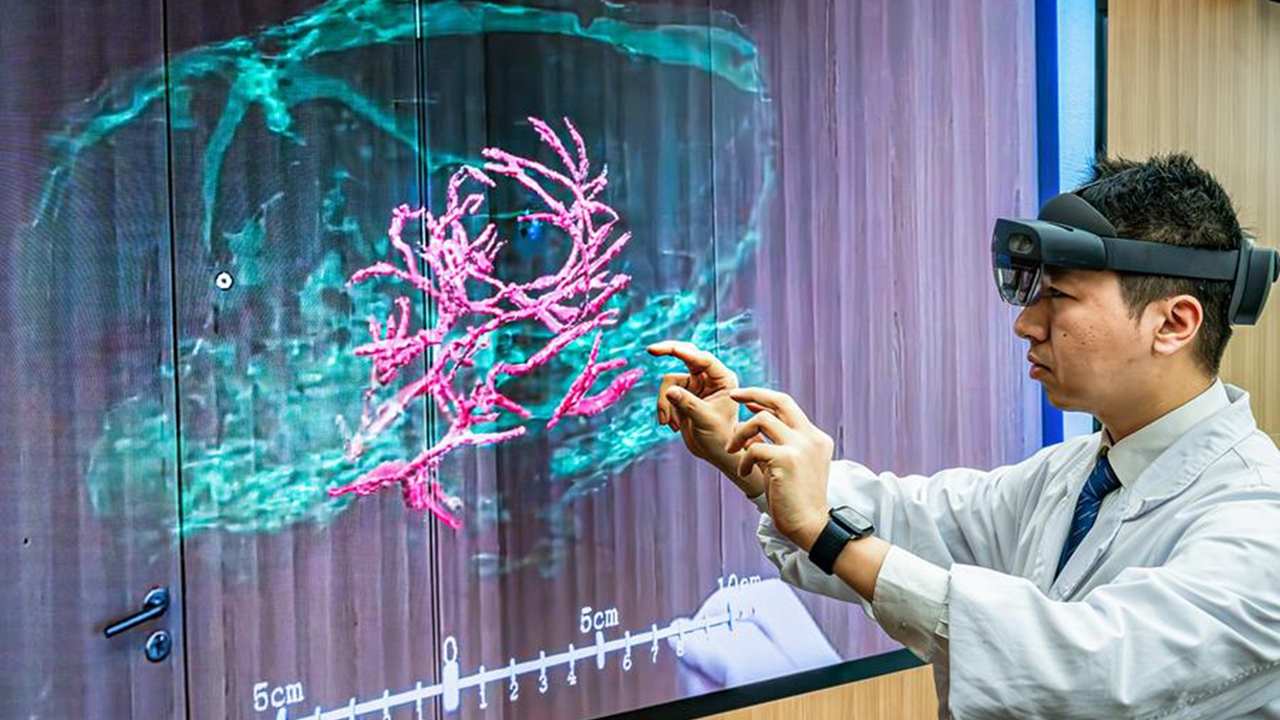
A researcher of Wuhan Union Hospital demonstrates brain-computer interface technology using mixed reality technology March 26, 2025. Xinhua
Cultural confidence, an often understated but vital pillar, also received special attention. As China moves forward, it seeks to strengthen its cultural soft power and promote the values of harmony, solidarity and mutual respect both domestically and internationally. This cultural renewal plays an essential role in maintaining social unity and nurturing a shared sense of purpose while advancing toward the goal of national rejuvenation.
The session also emphasized the importance of digital transformation across all sectors. As China steps deeper into the era of AI and big data, digitalization is seen as a driving force for efficiency, equity and transparency.
The Recommendations for formulating the 15th Five-Year Plan for National Economic and Social Development (2026–2030) envisions broader construction of digital infrastructure, the rise of smart industries and deeper integration of digital technologies into agriculture, healthcare and education. From cloud computing in rural areas to AI-powered logistics in major cities, the goal is clear to make technology a public good that empowers citizens and bridges divides.
Equally significant is the reaffirmation of China's role in global governance. At a time when fragmentation and protectionism challenge the global order, China's policy of openness and mutual benefit continues to serve as a stabilizing force. It advocates dialogue over confrontation, cooperation over isolation and development over division. Through multilateral platforms and development partnerships, China seeks to promote peace, inclusiveness and shared prosperity.
The spirit of the session, therefore, goes beyond borders; it is about building a modern socialist country while contributing to a fairer, more balanced international order.
As the world enters a period of profound transformation, the message from the fourth plenary session is both steady and confident. China's development model remains rooted in long-term vision, collective progress and a deep belief in shared destiny. The upcoming plan will not only shape China's future but also influence the contours of global growth in the decades to come. With reform, innovation and cooperation at its heart, China continues to move forward confidently, purposefully and with an enduring commitment to a shared future for humanity.