
 Share
Share


 Print
PrintTop scientists share visions for the future at forum
Writer: Windy Shao | Editor: Lin Qiuying | From: Original | Updated: 2025-12-15
The 2025 Guangming Science City Forum gathered an impressive lineup of leading scientists and industry pioneers from China and abroad, offering cutting-edge insights under this year’s theme of “Openness · Innovation · Leadership.”
From breakthroughs in brain–computer interfaces to new understandings of sleep, biotechnology, innovative drugs, and next-generation AI world models, the forum showcased the power of interdisciplinary collaboration and accelerating momentum of Guangming Science City as a hub for frontier discovery.
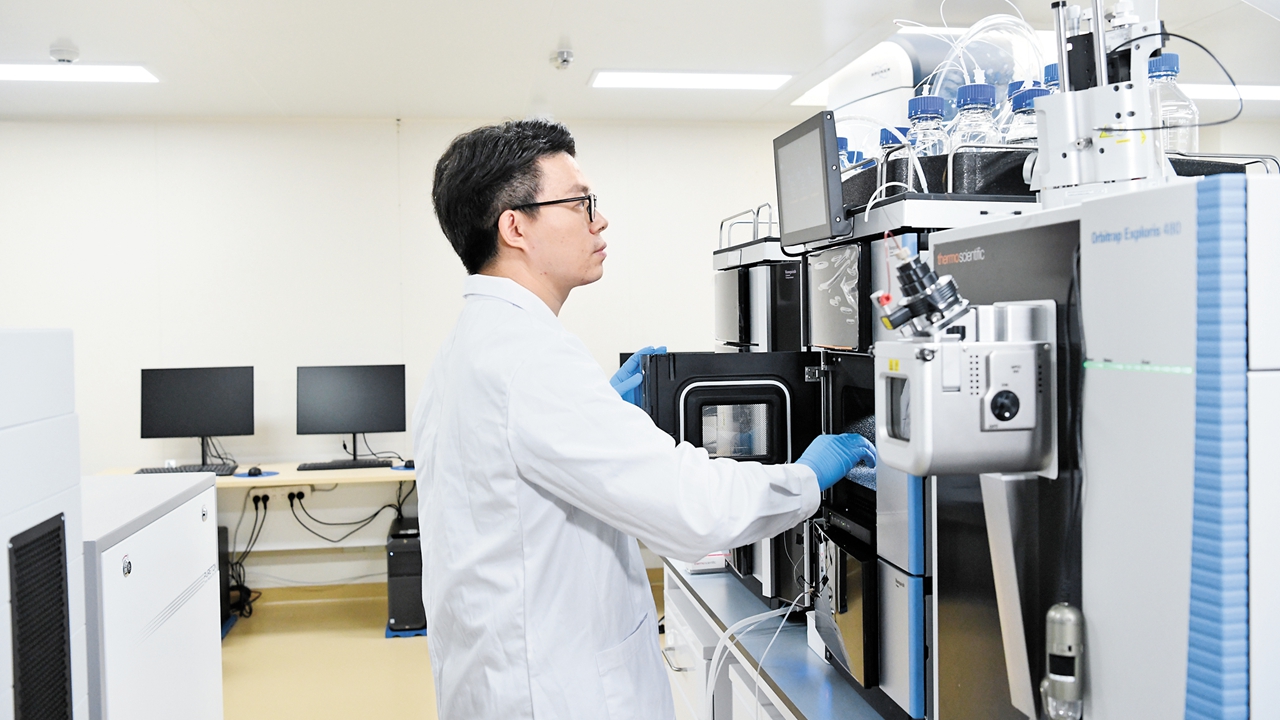
A researcher is seen working at the laboratory of the Brain Science Infrastructure in Guangming Science City in this file photo. Xinhua
Held Dec. 4 and 5, the event highlighted how Guangming Science City is becoming a catalyst for global scientific cooperation — turning emerging ideas into transformative technologies and charting new pathways for future industries.
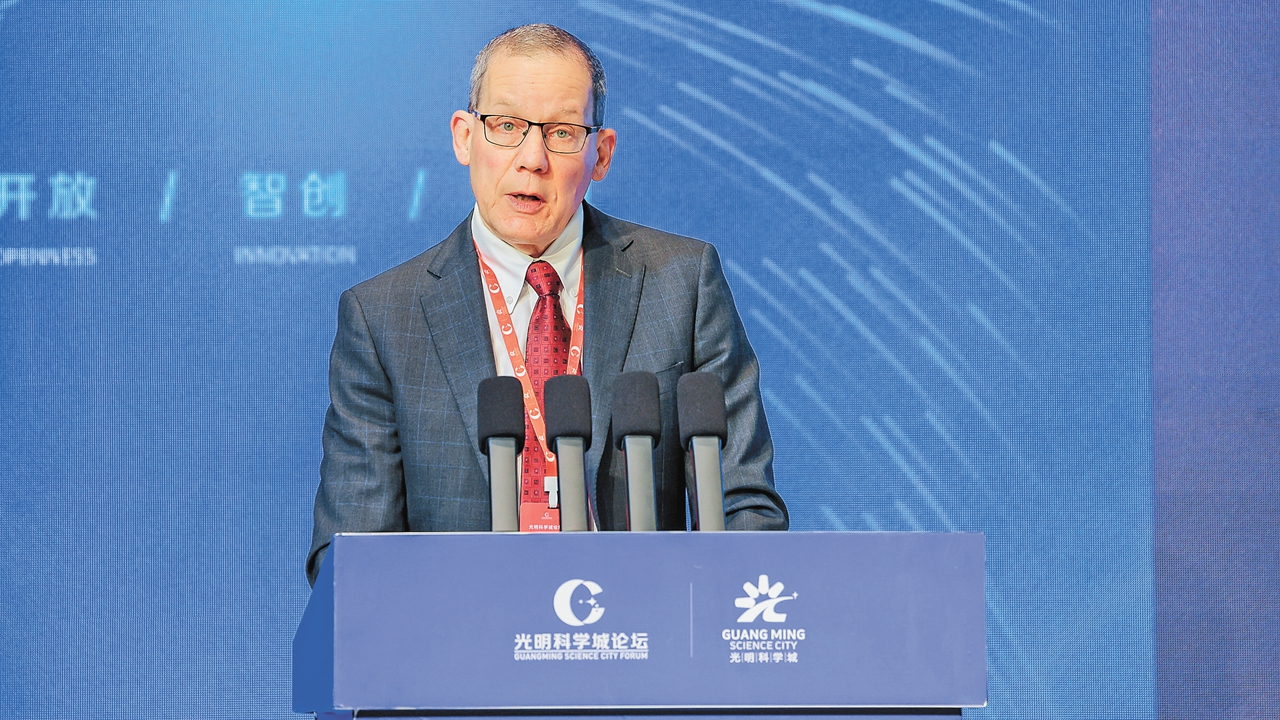
Charles M. Lieber
Charles M. Lieber: Guangming Science City will become ‘globally important center for human brain research’
Charles M. Lieber, Chair Professor at Tsinghua Shenzhen International Graduate School and director of the i-BRAIN Institute, said in his keynote, “Advancing Brain–Computer Interfaces,” that Guangming Science City is poised to become “a globally important center for human brain research.”
Lieber presented the latest progress made at the i-BRAIN Institute in developing next-generation brain–computer interfaces (BCIs). By integrating neuroscience, engineering, and artificial intelligence, his team is exploring how brain–machine tools can decode the brain’s internal mechanisms and open new avenues for treating neurological disorders.
“Here in Guangming Science City, we are building foundational large-scale models of human brain activity that will dramatically enhance our ability to decode cognition,” he told the forum audience. These brain-data models, he noted, hold promise for advancing treatments for depression, epilepsy, and Parkinson’s disease.
Lieber praised Shenzhen’s innovation ecosystem — from the research environment of Guangming Science City to the city’s strengths in integrated circuit design, chip fabrication, and artificial intelligence. He also highlighted growing clinical collaborations with top Shenzhen hospitals to ensure that future BCI technologies can be safely translated into human therapies.
“Personally, my goals are to make Shenzhen a world leader in BCI research and the development of neurotechnologies for treating brain diseases, as well as a hub for the industrialization of these technologies.”
Lieber, a globally renowned nanoscience and chemistry pioneer who moved to Shenzhen in April, added, “I had barely left the U.S. before coming here. I arrived on April 28 with a dream. Seven months later, we are excited about the progress at i-BRAIN and the promise for the future. Maybe this is ‘Shenzhen speed.’”
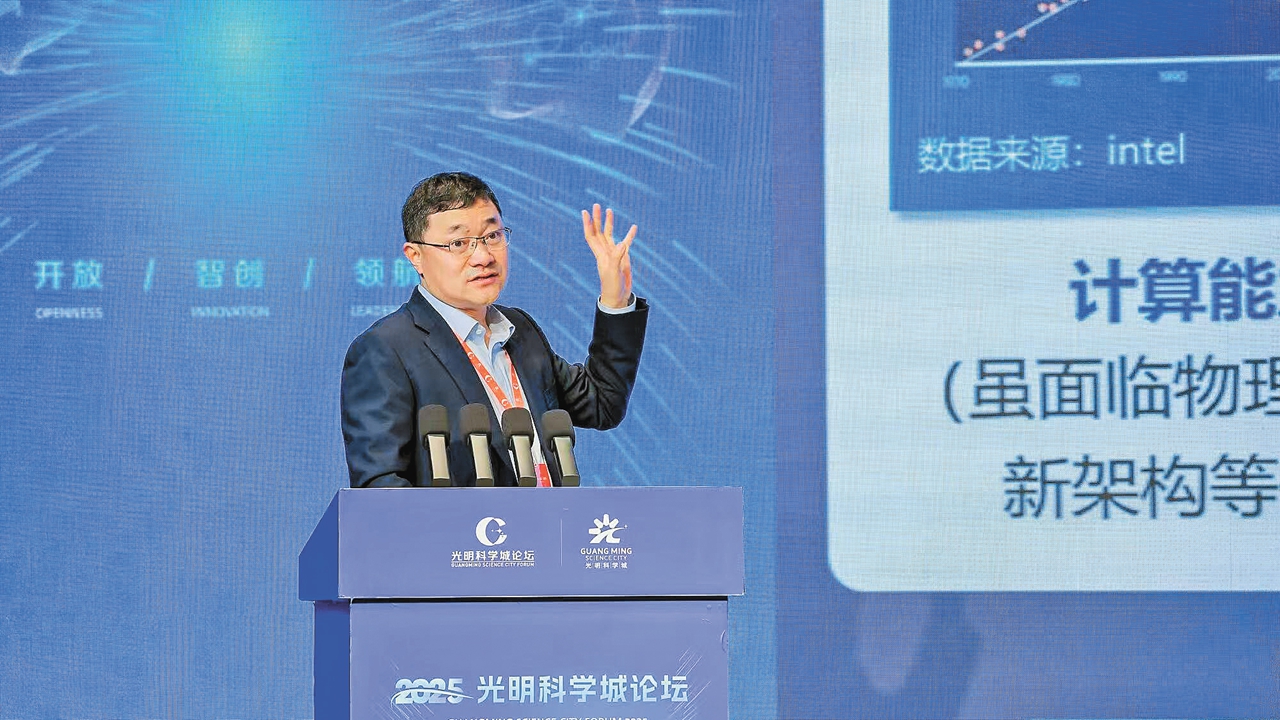
Zheng Hairong
CAS academician Zheng Hairong: Brain–computer interfaces as the path beyond AI’s current limits
In his keynote, “Brain–Machine Interfaces and Biological Intelligence,” Zheng Hairong, academician of the Chinese Academy of Sciences and vice president of Nanjing University, explained why BCIs may provide the breakthrough needed to overcome fundamental limits in today’s artificial intelligence.
Tracing the evolution of technology, Zheng observed that humanity has shifted from an energy-driven era to an intelligence-driven one. While big data, computing power, and deep learning enabled modern AI, he cautioned that current systems remain fundamentally constrained. “Today’s AI lacks consciousness. It relies on statistical learning from massive datasets. But true intelligence still requires wisdom.”
Zheng argued that the answer lies in returning to biology. With its 86 billion neurons, the human brain remains the ultimate source of intelligence. BCIs, he said, offer a bridge to understand, read, and eventually augment the brain’s mechanisms.
His team has already made experimental breakthroughs. In one study, a monkey trained to reach for a light spot was able to complete the task even after its eyes were covered through ultrasonic stimulation of the visual cortex, demonstrating that perception can be artificially induced.
Zheng outlined two core directions for future BCI development: reading thoughts, emotions, and decisions from the brain and writing such information into another brain or into machines.
He predicts AI will advance through three major phases: data intelligence, based on learning from massive datasets; physical-world intelligence, integrating sensors and embodiment; and brain–machine fusion intelligence, where machines can genuinely “think.”
“BCIs are the bridge from silicon-based AI to carbon-based intelligence,” Zheng said. “Shenzhen researchers have a tremendous opportunity to lead this transformation.”
Neuroscientist Dan Yang: Why lost sleep can make you gain weight
Dan Yang, director of the Institute of Neuromodulation and Cognition at the Shenzhen Medical Academy of Research and Translation (SMART), delivered a talk on the fundamental nature of sleep and how the brain controls it.
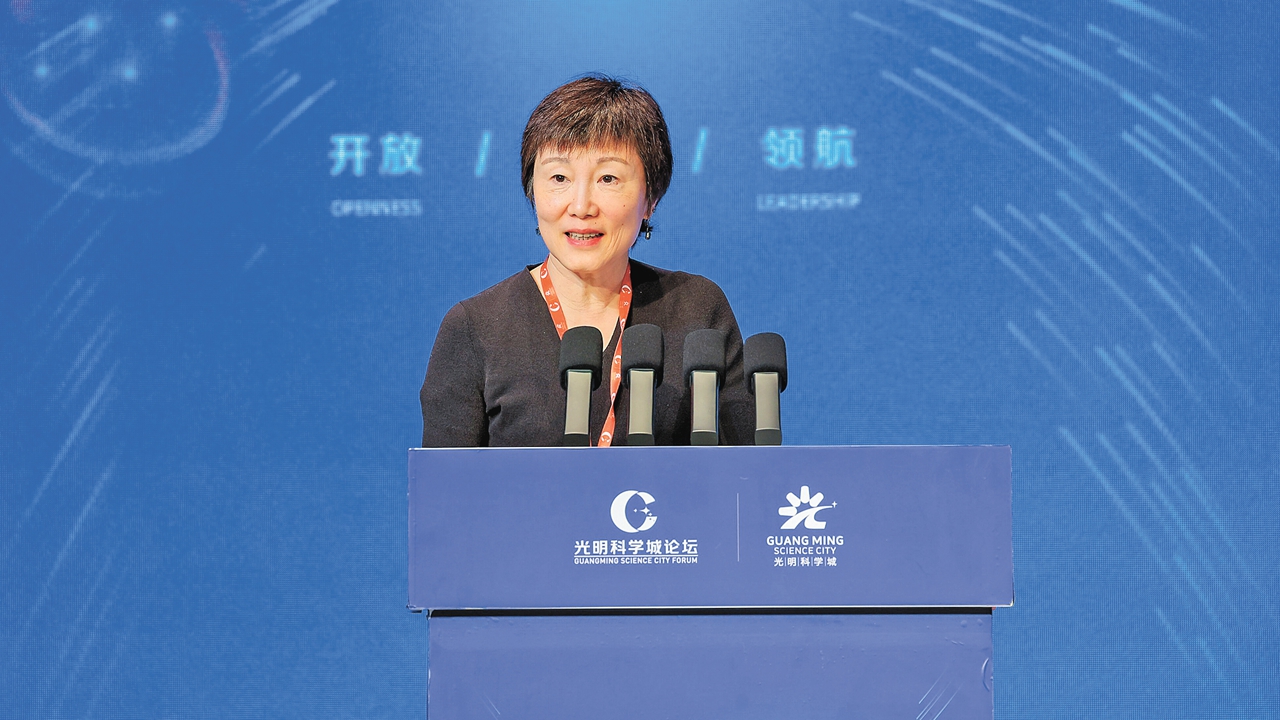
Dan Yang
Dan, the Paul Licht Distinguished Professor of Neurobiology at the University of California, Berkeley and a Howard Hughes Medical Institute Investigator, joined SMART as a senior principal investigator in June.
“Sleep is instinctive,” she explained. “It’s not like playing piano or dancing. Even in the womb, humans can sleep — yet many adults sleep worse than newborns.”
Citing evidence across species — from mammals to fruit flies and even jellyfish — Dan emphasized that sleep is essential for survival. Sleep deprivation, she noted, can be fatal in animals, sometimes even faster than starvation.
She also highlighted the harms of chronic sleep loss in humans, including impaired attention, increased driving risk, depression, and obesity. “Don’t believe that staying up late helps you lose weight,” she warned. “Poor sleep disrupts endocrine regulation and can actually cause weight gain.”
Dan reviewed major milestones in sleep research — from Aristotle’s early theories to discoveries made during the encephalitis lethargica epidemic that identified brain regions governing sleep and wakefulness.
Her team’s recent breakthroughs combine cell-specific markers with optogenetics to pinpoint neurons that regulate sleep. In dramatic lab videos shown at the forum, activating “wake-promoting” neurons instantly woke sleeping mice, while activating “sleep-promoting” neurons prompted mice to voluntarily return to their nests and enter deep sleep, mirroring natural human drowsiness.
“This demonstrates we are manipulating genuine sleep intention, not simply forcing sedation,” she said.
Dan added that while optogenetics cannot yet be applied to humans, her team is working with SMART and the Shenzhen Bay Laboratory to develop safer sleep-enhancing drugs based on these newly identified neural targets.
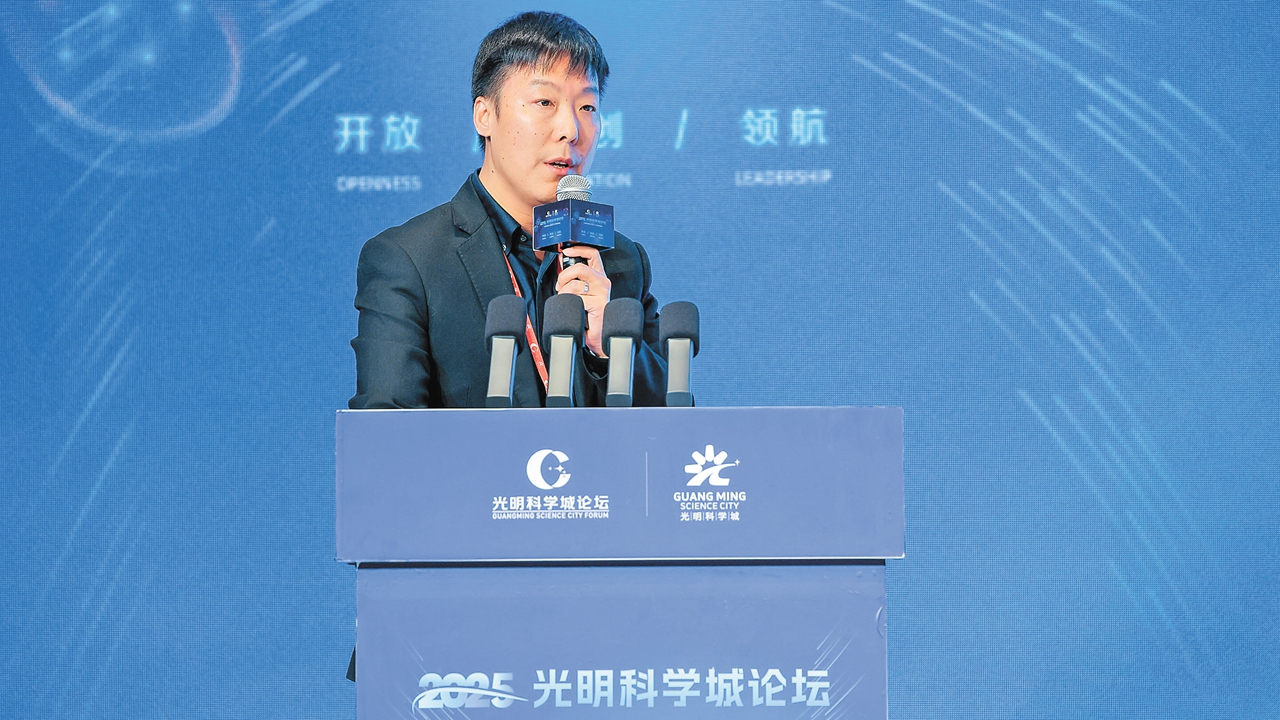
Li Hongjian
Li Hongjian: China’s innovative drug industry must compete on a global stage
Li Hongjian, chairman of Shenzhen Pregene Biopharma Co. Ltd., said China’s innovative drug ecosystem has entered a period of systemic growth, shifting from manufacturing and generics toward breakthrough, original development.
He argued that going global is no longer optional. “The domestic market is limited, while the U.S. and Europe can pay 10 times more for similar therapies.”
For innovation to succeed, Li emphasized two principles. First, start from real unmet clinical needs, defined jointly with top physicians. Second, aim for first-in-class therapies. “Best-in-class,” he added, will ultimately be judged by clinical performance and market success.
Li also noted that global transactions depend on high-quality patents, compliance standards, and internationally recognized data. “The competition ahead is not just technological — it is about standards, rules, and integration into the global value chain.”
He praised Shenzhen’s environment of openness and support for innovators, calling it “the most precious asset for entrepreneurs.” Li added, “The rise of Shenzhen’s innovative drug industry has just begun. The future will be vast.”
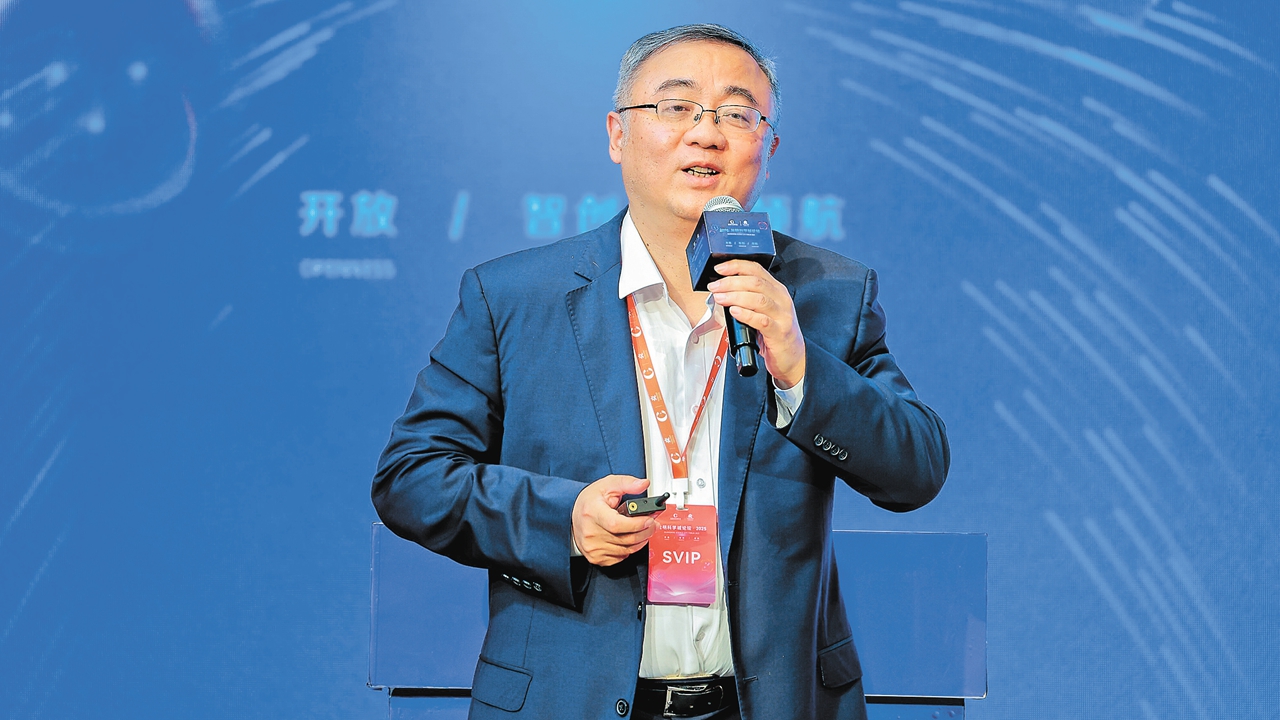
Tian Qi
Tian Qi: AI world models will shape the next frontier
Tian Qi, chief scientist of Huawei Terminal BG and director of the Guangming Laboratory, described how AI is rapidly advancing beyond language models into truly multimodal, world-aware systems.
AI models such as OpenAI’s Sora, Meta’s V-JEPA 2, and DeepMind’s Gemini 3 represent early forms of world simulators — models capable not only of generating video but also of interacting with users, inferring physical dynamics, and producing 3D structures from a single image.
“The next step for AI is the world model,” Tian said. “Its core is the ability to interact with and understand the physical world.” For real-world applications such as autonomous driving and embodied intelligence, Tian noted that strong foundational models and high-quality interactive environments are essential.
Although challenges remain, he believes continuous iteration — from perception to interaction to reasoning — will eventually create a complete logical loop for AI and usher in a new technological era.
About Guangming Science City and the Science City Forum
Guangming Science City was approved for development by the CPC Shenzhen Municipal Committee and the Shenzhen Municipal People's Government in April 2018. In just a few years, it has rapidly emerged as one of China’s most dynamic and fastest-growing hubs for scientific and technological innovation.
In 2024, it ranked seventh nationwide on the “Top 100 Science Cities in China” list, underscoring its rising national influence.
Now in its third edition, the Guangming Science City Forum has grown into a highly anticipated global event, spotlighting frontier science, industrial innovation, and open collaboration.