
 Share
Share


 Print
PrintThe Shape of Yearning: Encounters across culture at deTour 2025
Writer: Cynthia Song | Editor: Lin Qiuying | From: Shenzhen Daily | Updated: 2025-12-22
At PMQ’s Courtyard & Marketplace in Hong Kong, soft winter light slipped through the glass canopy and settled on a paper cloud above a sculpted blue bench. It felt low enough to touch, close enough to step beneath. And in that brief moment, before the movement of the crowd swelled back into focus, a quiet impulse rose: I want to sit under the cloud.
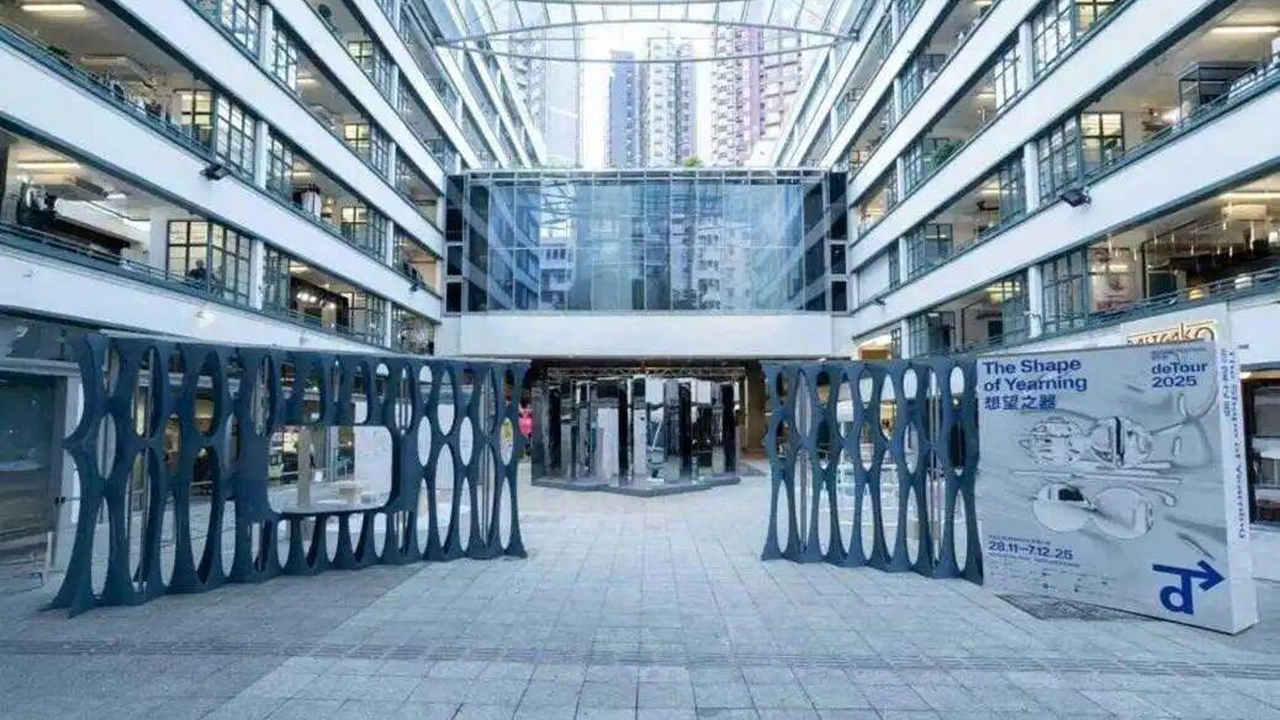 In a time increasingly shaped by speed and constant stimulation, deTour 2025, which wrapped up recently amid acclaim and applause, offered a distinctly different kind of encounter. Here, visitors were asked not to react, but to feel; not to scroll on digital screens, but to linger; not to see, but to rediscover — and perhaps be inspired.
A festival framed by ‘The Shape of Yearning ’
Organized by PMQ with support from Hong Kong’s Cultural and Creative Industries Development Agency, deTour 2025 ran from Nov. 28 to Dec. 7 under the theme “The Shape of Yearning”.
Seventeen installations and exhibits, along with 40 workshops, 12 dialogues, more than 80 guided tours, and other events, brought together designers from Hong Kong, Chinese Mainland, Italy, Switzerland, the Philippines, and the United States, and other countries and regions.
Among the highlights was “ALCOVE IN SITU” by Swiss-based Encor Studio. The installation transformed the glass façade in Qube at PMQ into a living, responsive canvas through subtle manipulations of light, translucency, as well as sound and visual composition. Minimalist in form but rich in atmosphere, the work offered an immersive sensory journey that invited visitors to slow down and explore the integration of technology and design.
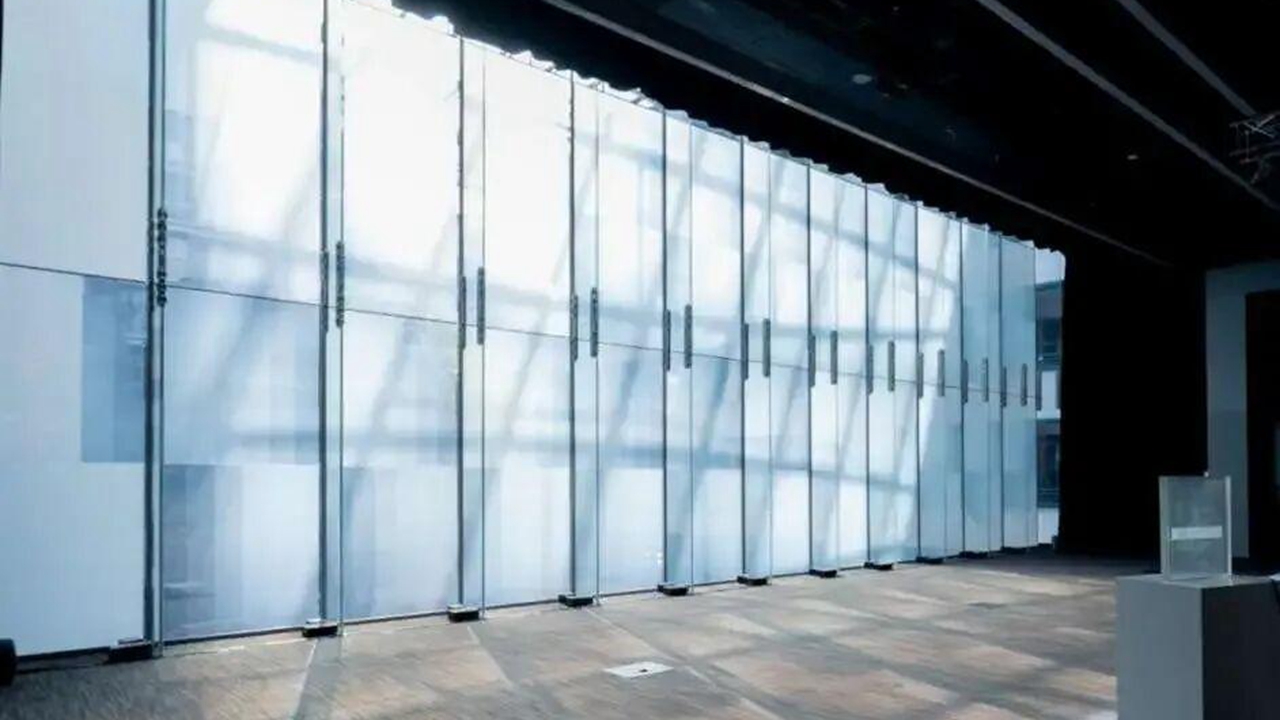
ALCOVE IN SITU
Hong Kong studio TOUN 亠 turned to the domestic sphere with “HOME ECOLOGY - THE PHILO MODULAR SYSTEM ,” a freely assembled aluminium system proposing new possibilities for flexible living in dense cities.
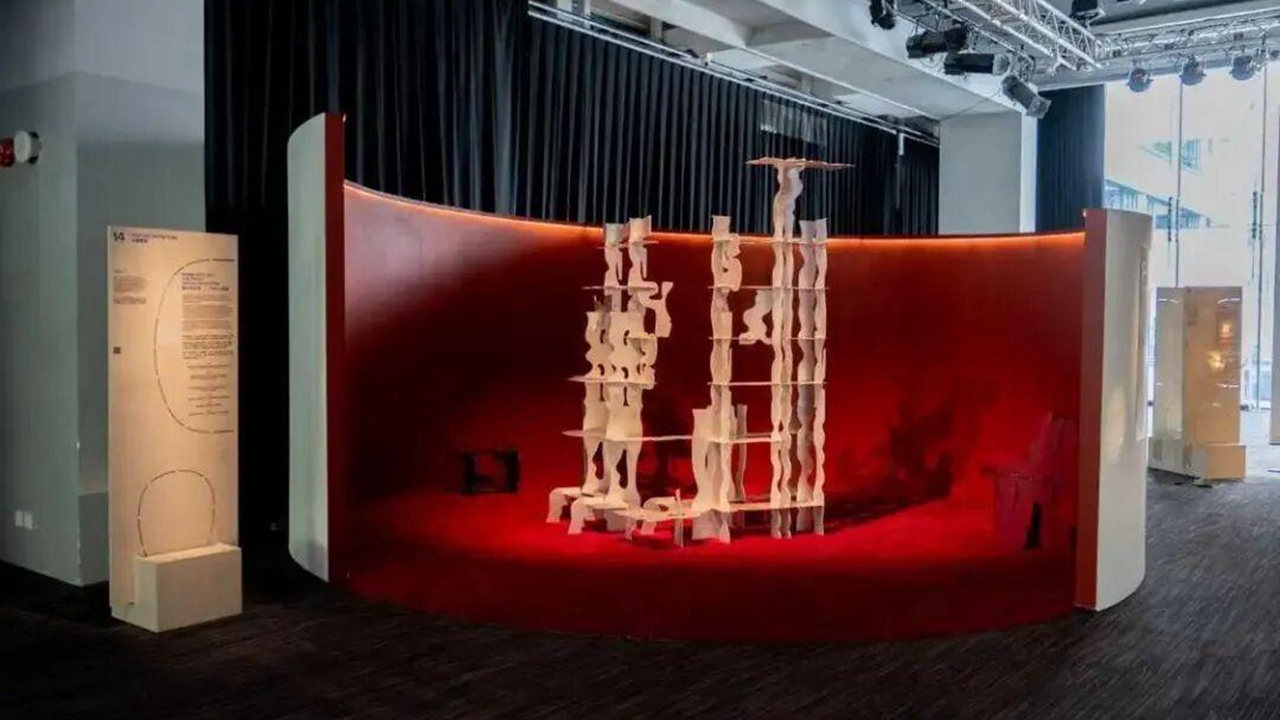
HOME ECOLOGY - THE PHILO MODULAR SYSTEM
”BLOOMDENTITY” by Embracefloral x Arfalization, used botanical forms, scent, and organic materials to visualize personality spectra, challenging identity frameworks such as MBTI and asking how character might be sensed rather than categorized.
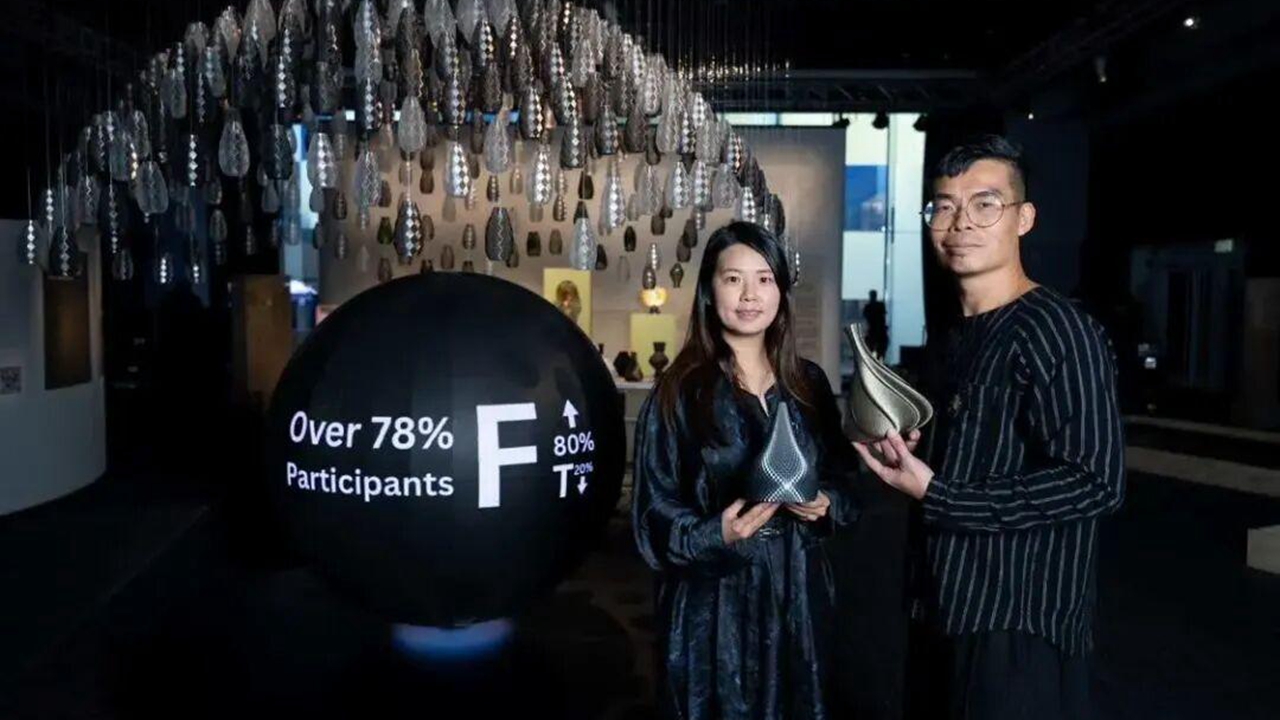
BLOOMDENTITY
Materials, memory, identity
After 15 years of evolution since 2010, the deTour design festival has grown from a local creative event into a unique platform offering a wide range of programs and bringing together designers and creative communities from Hong Kong and abroad. Among the participants this year, Italian designers Jonathan Bocca and Lucia Massari, and the Hong Kong-Milan-Shenzhen creative team Glacia opened a conversation on how materials become vessels of feelings and memory, and how cultures encounter and reshape one another through design.
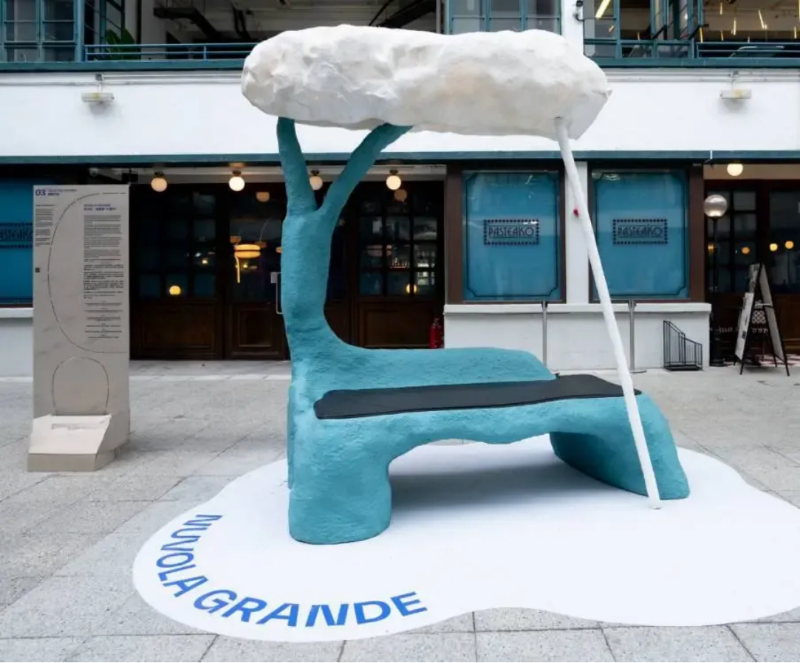
NUVOLA GRANDE
For Jonathan Bocca, discarded resources, especially recycled paper, hold the potential for renewed life through art and design. Raised in Lucca, a city shaped by centuries of paper-making, he learned how mill waste can become durable, organic, and highly malleable after processing. His installation “NUVOLA GRANDE,” made entirely from reclaimed materials, embodies this renewal: each component reinterprets what has been cast aside, forming a soft, cloud-like refuge where visitors could sit, look upward, and momentarily withdraw from the city’s noise.
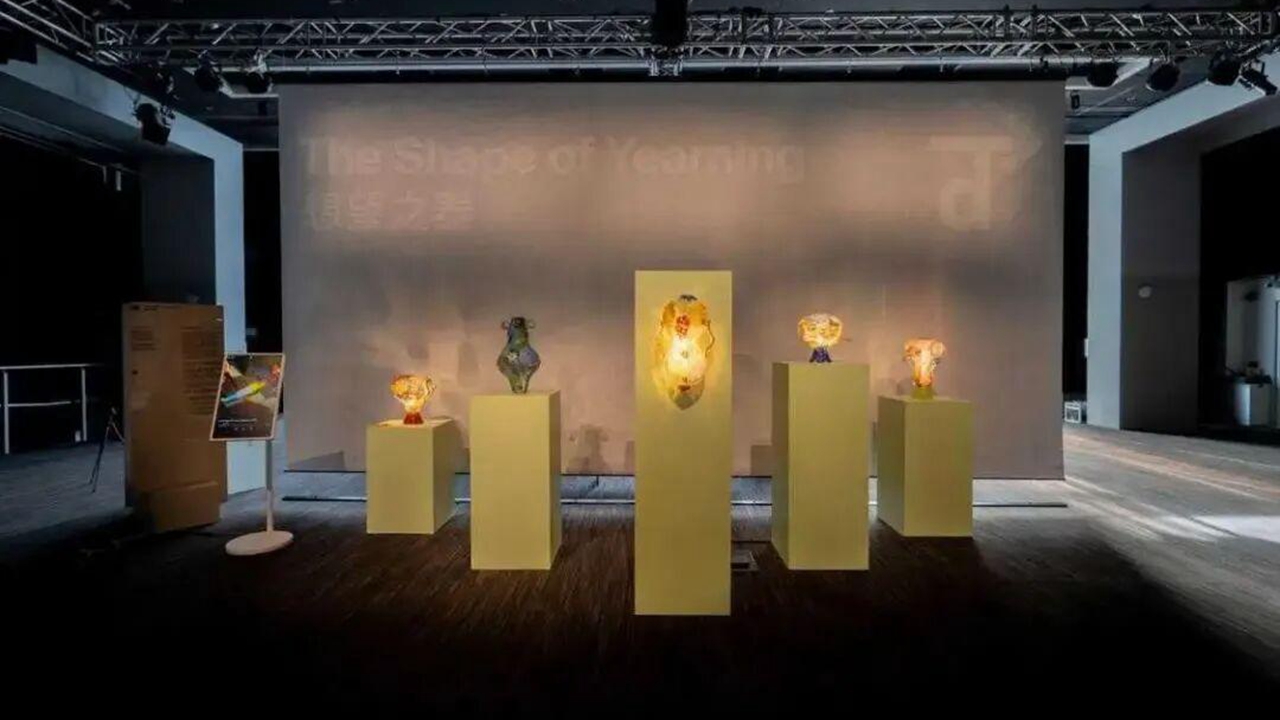
PRIMAVERA
Lucia Massari, whose practice blends craft, materiality, and emotional expression, presented her “Primavera” lamp series at deTour 2025. Inspired by Arcimboldo’s eponymous painting, the works preserve fragile Venetian mirror-making traditions while transforming their motifs into contemporary, luminous forms. Through this process of material renewal, Massari explores how materials and color carry memory and meaning, inviting viewers to look beyond surface beauty to the deeper histories embedded within.
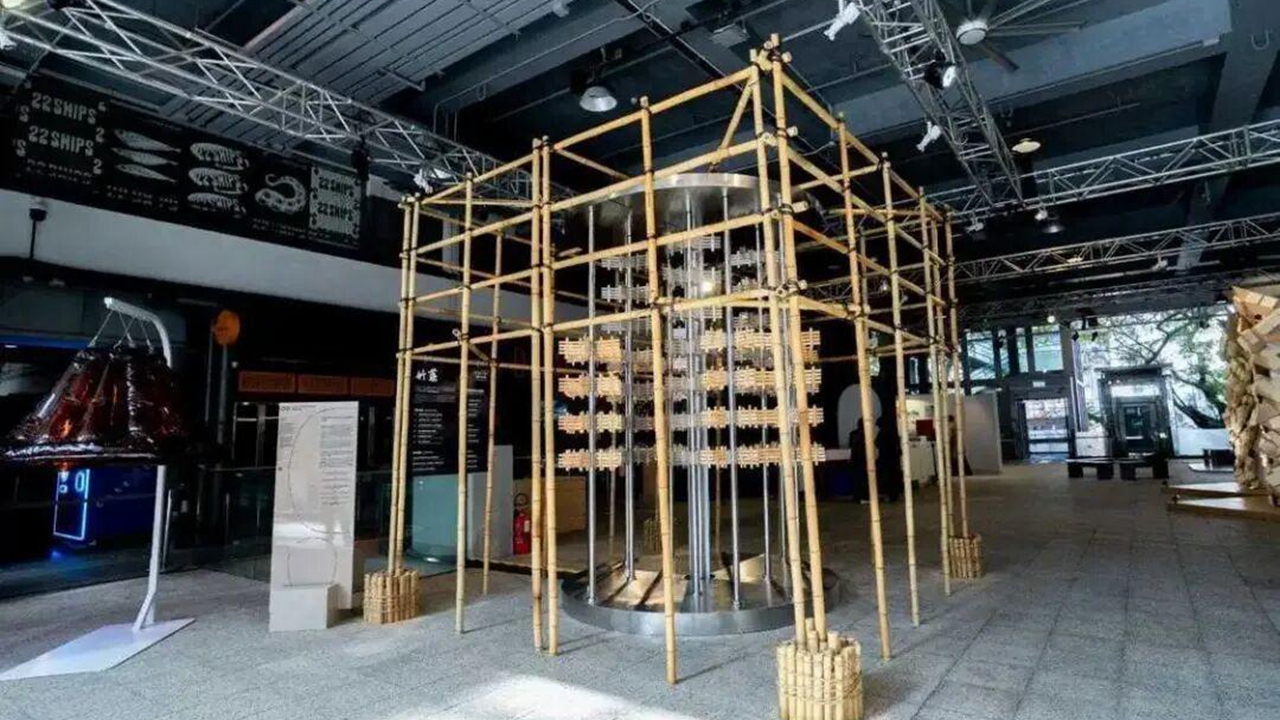
BAMBOO ECHO CHAMBER
For the creative collective Glacia, design becomes a way to reflect on the fragile balance between humanity and the natural world. Their installation “BAMBOO ECHO CHAMBER” traced the history of Hong Kong’s bamboo industry while exploring how human warmth can be preserved in an era of rapid technological change. Drawing on the traditional concept of “heavenly circle and earthly square” the work blends algorithmic representation with research-based documentation through a hand-driven, participatory mechanism. Exposed mechanical axles, inlaid with texts and records, form a “local chronicle,” while the bamboo itself — a repository of the land’s memory — embodies the region’s heritage as material, tool, and symbol.
Encounters across cultures
If materials carry feelings and memory, encounters carry perspective. At deTour 2025, these encounters converged around a shared question: how does design translate living experience across contexts? For the three designers and cross-regional creative team, presenting work in Hong Kong was not only an act of exhibiting but also an act of observing — and of understanding how their own practices refracted through a different cultural lens.
For Bocca, the encounter began with an unexpected sense of familiarity. Different from that in Lucca, he immediately recognized the potential of Hong Kong’s industrial leftovers and recycled materials. “I’m fascinated by how craft and technology coexist here,” he said. “This mixture opens new possibilities for reinterpretation and aligns with my approach of giving ‘poor’ or discarded materials a new life.”
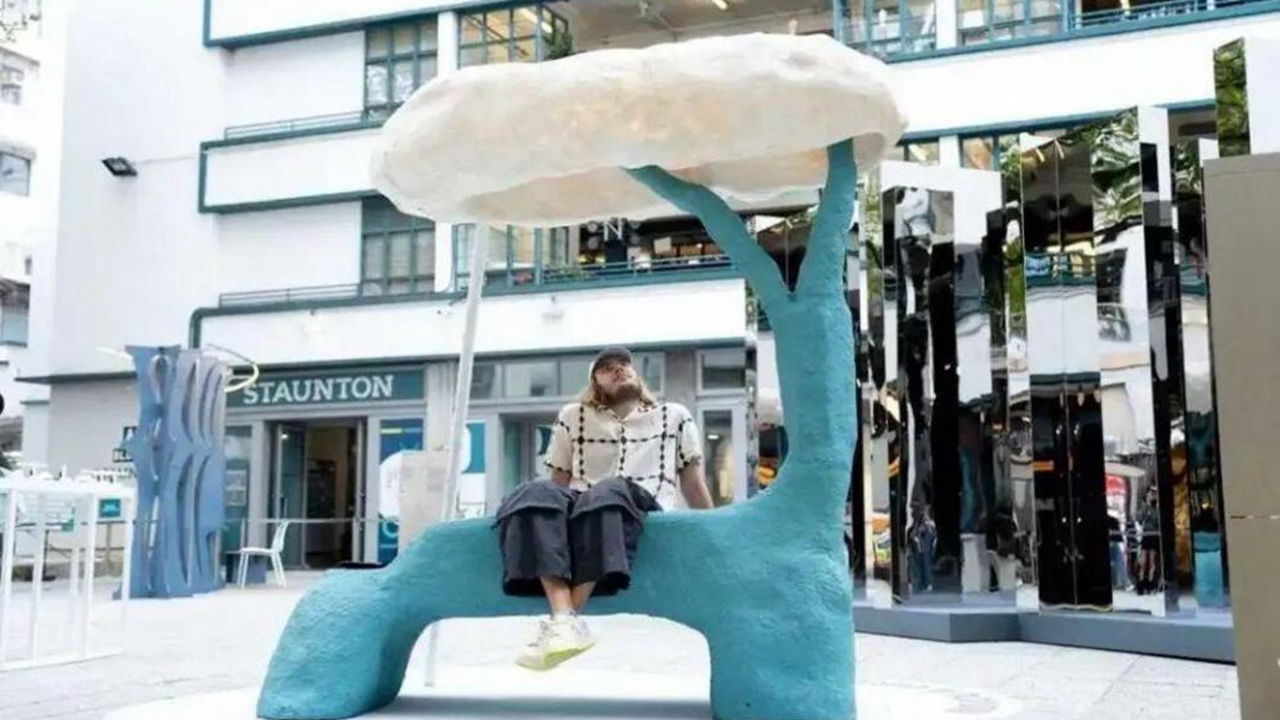
Jonathan Bocca
However, he found the emotional throughline shared across regions very impressive. “I’ve had the chance to speak with designers and artists from both Hong Kong and Shenzhen,” he noted, “and what struck me most was our shared desire to create objects that carry an emotional presence.” Through these exchanges, he found that material renewal — the turning of residue into resonance — could be understood across cultures.
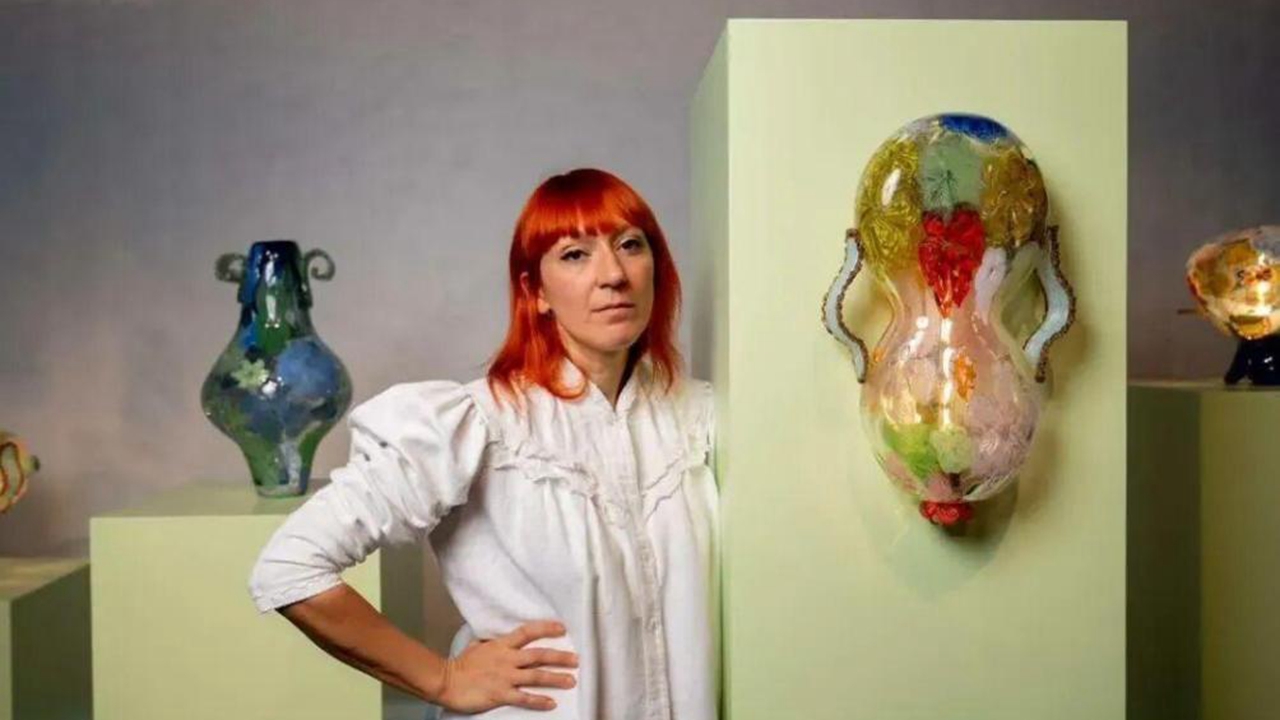
Lucia Massari
For Massari, the cross-cultural encounter emerged through contrast. Although her work is grounded in centuries-old Venetian craft, she found exhibiting them in Hong Kong “surprisingly natural.” It introduced “an interesting tension,” also a space for dialogue. “Hong Kong has a unique way of blending contrasts, old and new, local and global,” she said.
Her conversations with Hong Kong designers revealed both divergence and resonance: “Many of them work very comfortably with new technologies,” she observed, “while my practice is rooted in traditional craft and in looking back at materials with long histories.” Still, beneath these differences, she found a shared concern: understanding how materials can hold meaning, memory, and emotion.
For the Hong Kong–Milan–Shenzhen collective Glacia, cross-cultural exchange functioned not only as observation but as method. Their reflection began with their reading of this year’s theme: “Shape of Yearning” represents connection — between people and the city, and between the city’s past and its future,” they said.
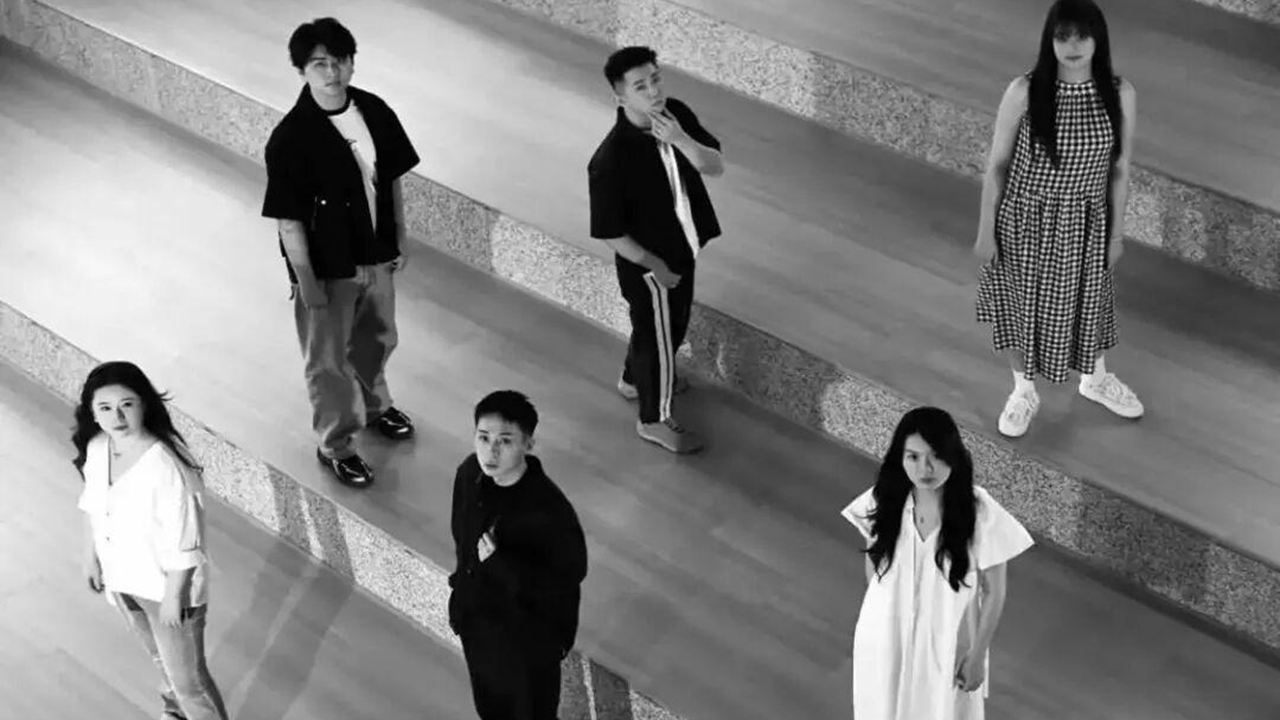
Glacia
Hosting overseas participants deepened this understanding. “Through our conversations, we gained insight into how international creativity can be applied to traditional culture, and how craftsmanship from different countries can merge to create innovative, inclusive works,” they noted, recalling their interaction with the Italian team Studio Groovido. These encounters “offered us a new perspective on renewing our own traditional culture” and became “a meaningful example of cross-cultural creative collaboration.”
Their advice to emerging designers echoed this openness: “Walk more, observe more, communicate more and reflect more. No matter it’s urban systems, audience preferences or cultural foundations, all of these require time to understand deeply.”
A quiet invitation
While Bocca’s cloud offered a moment of quiet, and Massari’s glass carried its layered histories, and Glacia’s bamboo echoed the pulse of a city in transition, what stayed after deTour 2025 ended was not any single material or installation. It was a way of attending — to memory, to encounter, to the subtle forms that yearning takes when it moves across cultures.