
 Share
Share


 Print
Print2 new hospital expansions open, integrating AI with patient care
Writer: | Editor: Lin Qiuying | From: Shenzhen Daily | Updated: 2025-12-30
Two major hospitals in Shenzhen have opened new wings, substantially expanding the city’s bed capacity and rolling out advanced smart, AI-driven healthcare services.
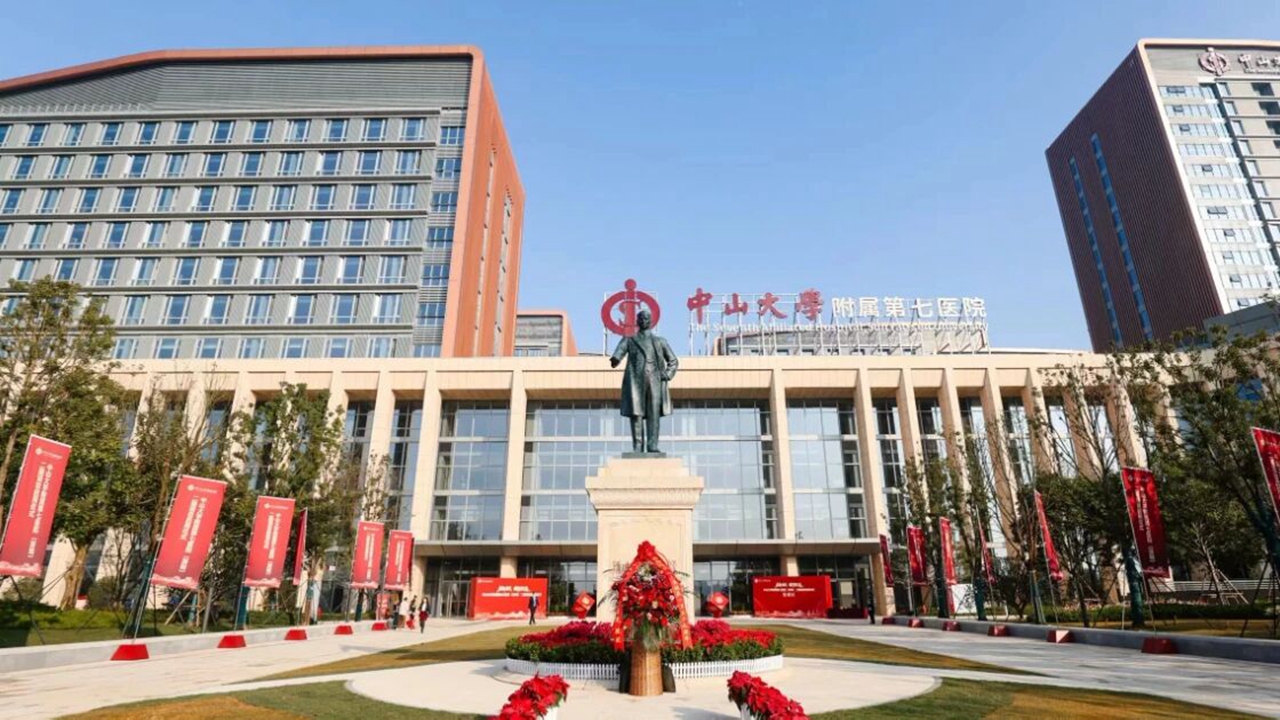 Main entrance of the Seventh Affiliated Hospital of Sun Yat-sen University (Shenzhen), situated in Guangming District. Photos courtesy of interviewees
On Monday, Phase II of the Seventh Affiliated Hospital of Sun Yat-sen University (Shenzhen) officially opened in Guangming District. A key project for improving public health in Guangdong Province, the new phase covers about 700,000 square meters and adds 3,200 beds. The facility will begin serving patients in stages. Once fully operational, the hospital’s total capacity will reach 4,000 beds, making it Shenzhen’s largest general teaching and research hospital with the most comprehensive range of clinical specialties.
The hospital plans to bring in top experts from Sun Yat-sen University to strengthen departments including otolaryngology and head‑neck tumor surgery, gastrointestinal surgery, orthopedics, ophthalmology, and oncology, with a focus on treating complex and severe conditions.
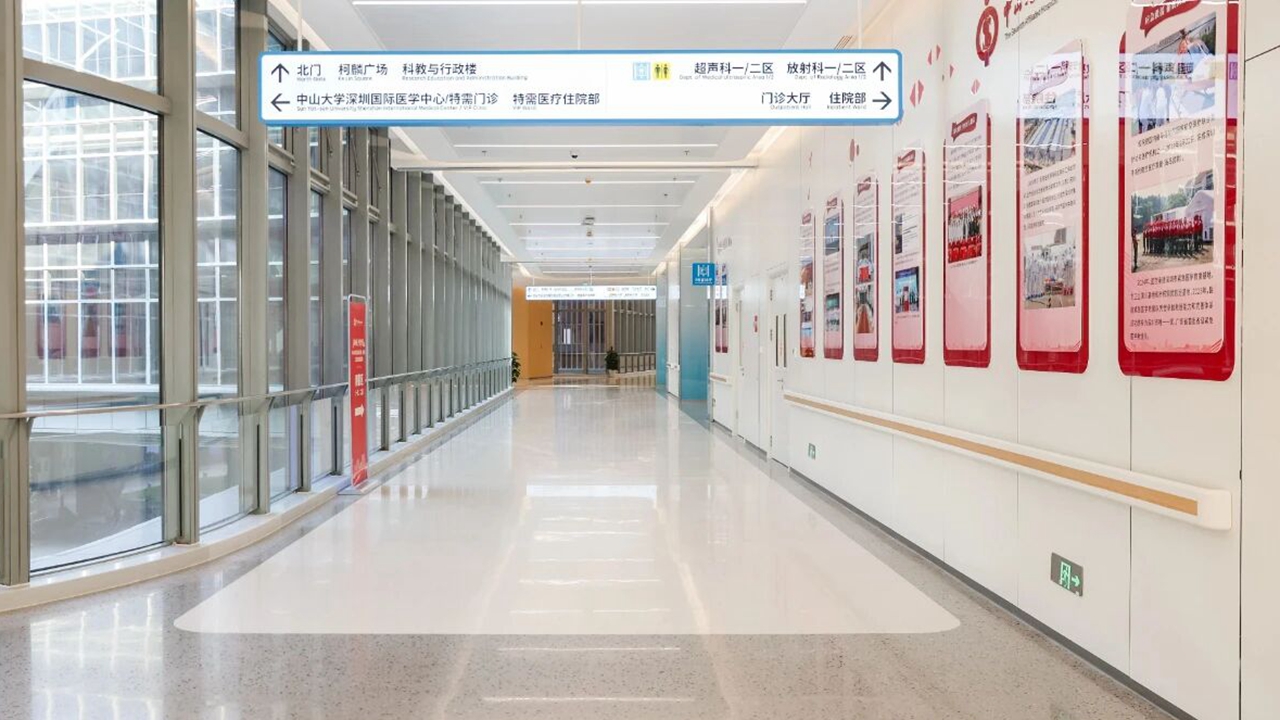
A corridor inside the hospital connects patients to various departments and service areas.
“We are also planning to build the Sun Yat-sen University Shenzhen International Medical Center to provide medical support for next year’s APEC meetings,” said Pan Yihang, the hospital’s vice president.
Service innovation is a key emphasis. The hospital has introduced intelligent digital assistants and self‑service terminals, and offers a dedicated app for pre‑consultation dialogues so doctors can review patients’ conditions before appointments. For elderly patients, voice‑guided assistance is available to streamline access to care.
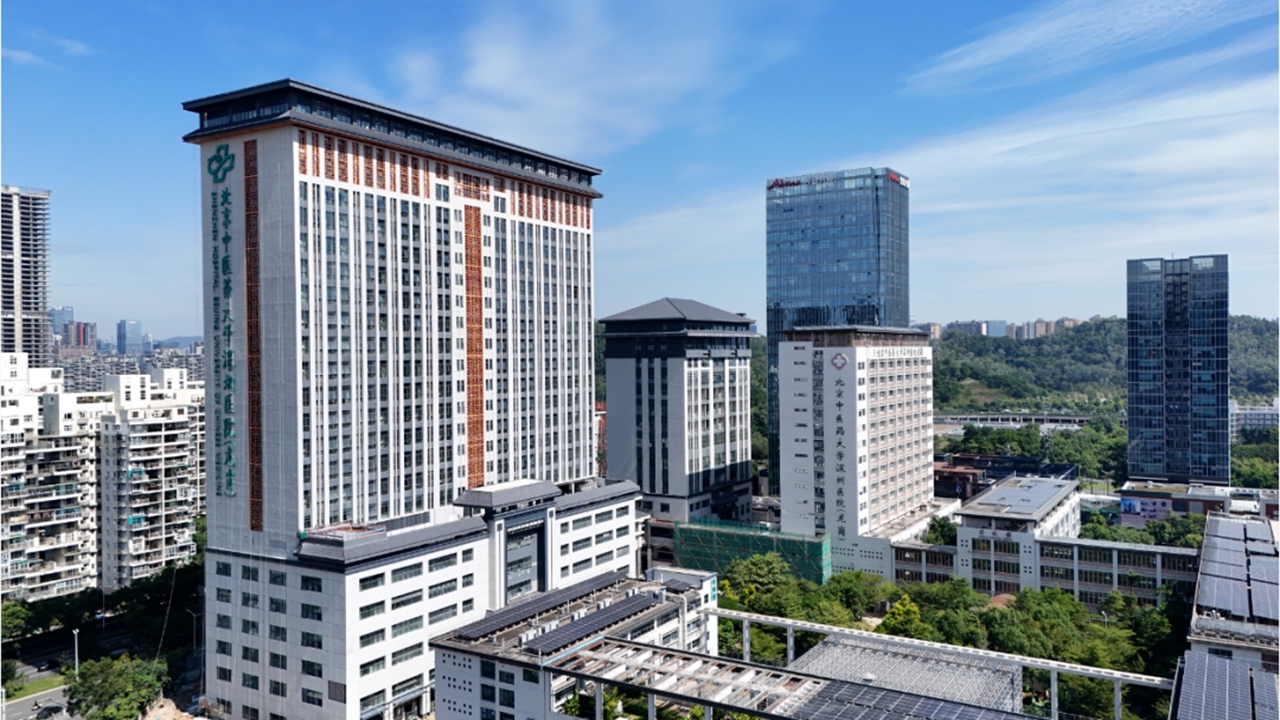
Exterior view of Beijing University of Chinese Medicine Shenzhen Hospital, located in Longgang District.
A day earlier, Phase II of Beijing University of Chinese Medicine Shenzhen Hospital in Longgang District began operations. Situated in the Sports New Town, the expansion adds 600 beds and brings the hospital’s total to 1,100. Newly opened services include a proctology ward on the 16th floor and a pain management and tuina center on the 20th and 21st floors.
The hospital also launched an AI + Traditional Chinese Medicine (TCM) Consultation Room and a TCM Artificial Intelligence Laboratory.
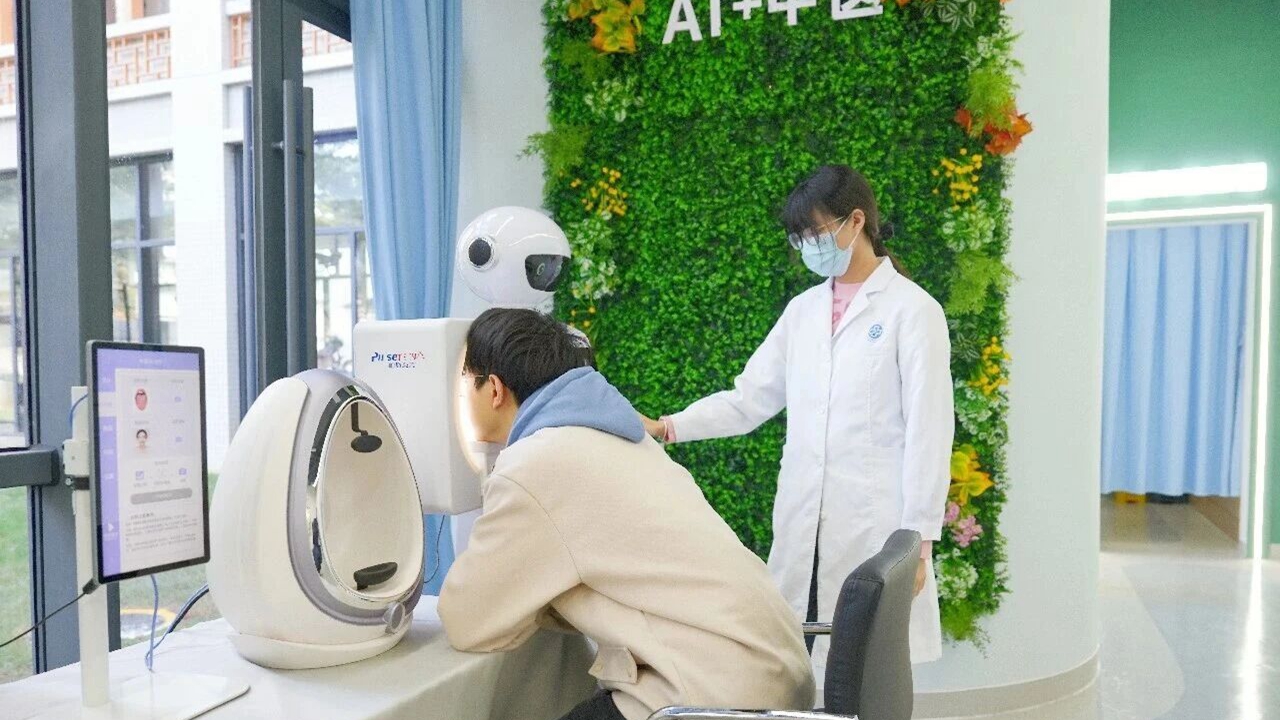
An AI + TCM consultation room is among the key innovations at Beijing University of Chinese Medicine Shenzhen Hospital in Longgang District.
In the AI‑enhanced consultation workflow, patients first undergo an AI‑assisted pre‑diagnosis. During the physician visit, AI tools synthesize clinical information and propose treatment options for the doctor’s consideration. After consultation, the system generates a personalized health management package, creates a long‑term TCM health record, and enables continuous follow‑up, symptom tracking, and remote monitoring — forming a closed‑loop health management system.