
 Share
Share


 Print
PrintCES 2026: Shenzhen didn't just show up, it showed the future
Writer: Luigi Gambardella | Editor: Lin Qiuying | From: Original | Updated: 2026-01-08
When CES 2026 opened its doors in Las Vegas, the technology world expected to witness dazzling consumer gadgets, AI breakthroughs and robot demos. What few expected was the sheer prominence of one city’s ecosystem: Shenzhen. Far from being a footnote in China’s national presence, companies rooted in this southern Chinese innovation hub emerged as symbolic protagonists of a new global tech order — not through marketing buzz, but through real, award-winning innovation and tangible industrial impact.
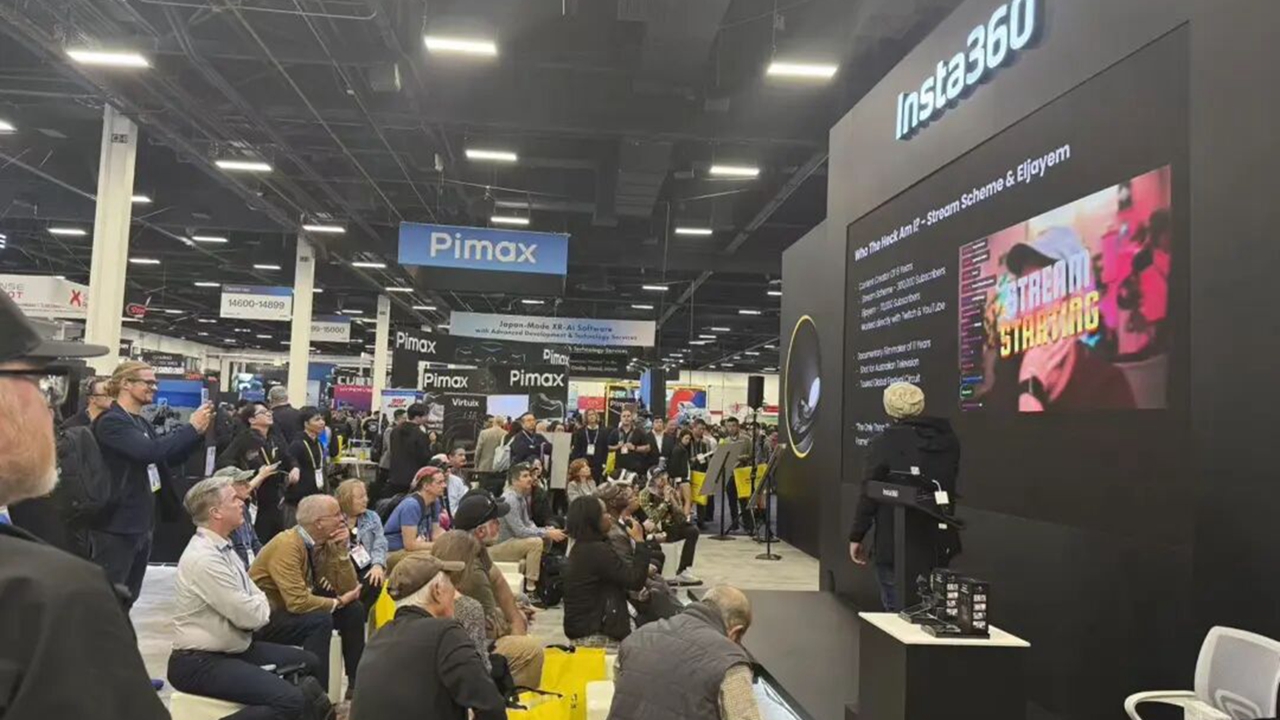
Visitors learn about Insta360's new products at the company's booth at CES 2026 held in Las Vegas. Photos from Dute News
At the heart of this shift were the CES Innovation Awards, the show’s most respected recognition for product excellence. Chinese firms claimed a significant share of the honorees — more than 100 out of 247 total awards this year — and among them, several Shenzhen-based companies won the coveted Best of Innovation in major categories. Shenzhen’s Yingling Co received top honours in the drones category with its 8K 360-degree aerial system, while Netvue Technologies earned recognition for its smart bird feeder in pet & animal tech, and Zettlab Innovation Technology was awarded for an AI-powered storage solution in peripherals and accessories. These successes reflect more than product novelty — they signal design maturity, integration of AI and hardware, and global competitiveness.
Shenzhen’s impact at CES 2026 was not a matter of isolated products, but of ecosystem momentum. Observers noted an almost ubiquitous presence of “Shenzhen-branded” startups and exhibitors across AI + hardware segments — to the point that some commentators referred to this collective as a “Shenzhen legion” dominating the AI + hardware narrative. This visibility is emblematic of Shenzhen’s evolution: from a city once known primarily for contract manufacturing to a platform for original innovation at a global scale.
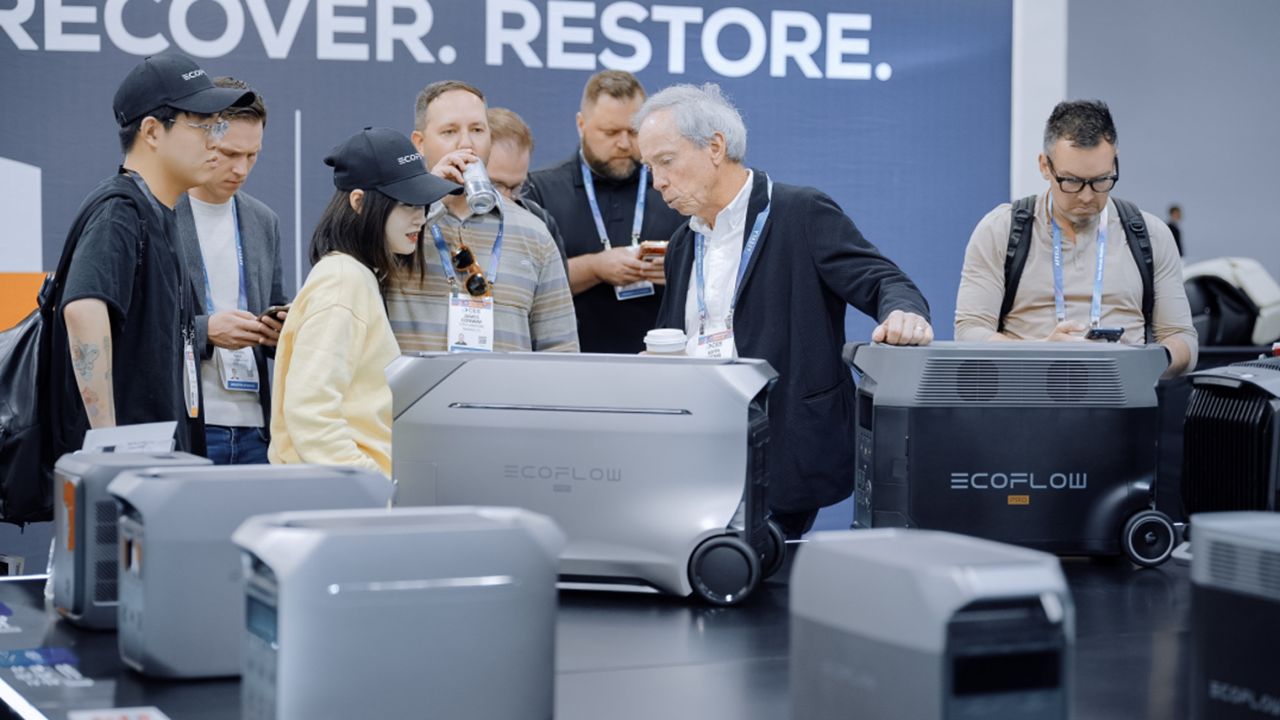
Visitors learn about the products of EcoFlow, a Shenzhen-headquartered portable energy device maker, at CES 2026.
What lies behind this transformation is a technological and industrial model that minimizes the gap between concept and market. Shenzhen’s clusters integrate research and development, rapid prototyping, industrial supply chains and design talent all within walking distance, enabling companies to iterate faster than traditional ecosystems. This advantage was on display at CES through multiple award-winning products that were not just prototypes but consumer-ready solutions with real global appeal.
This shift marks a distinct departure from the outdated narrative of Chinese tech as “manufactured not invented.” At CES 2026, Shenzhen companies showed that they are not only building devices, but also defining categories through AI-enabled products, sophisticated robotics and user-centric design. It is no exaggeration to say that Shenzhen’s brands were not merely participants — they were trendsetters in how hardware, software and AI converge in everyday products.

Shenzhen-headquratered EngineAI displays its humanoid robots at CES 2026.
The broader narrative at CES also underscored this point. Coverage from international outlets highlighted the strength of Chinese robotics — including humanoid and quadruped robots drawing large crowds and competitive attention — further showing that the era of Chinese tech as followers is truly past.
Ultimately, what Shenzhen demonstrated at CES 2026 was not just technological breadth, but strategic depth: products that are global in ambition, mature in design and rooted in an ecosystem that is increasingly replicable beyond geography. This is what happens when a city stops being a manufacturing hub and becomes a global innovation engine.
At CES 2026, Shenzhen didn’t just show up, it showed the future.