
 Share
Share


 Print
PrintExperts discuss tech diffusion and AI development
Writer: Chen Siqi | Editor: Lin Qiuying | From: Original | Updated: 2026-01-17
Video by Zhen Jianhong
As artificial intelligence accelerates from explosive laboratory breakthroughs into the "deep waters" of widespread industrial application, leading experts convened at the Changmao Jinfu Building in the Shenzhen Park of the Hetao Shenzhen-Hong Kong Science and Technology Innovation Cooperation Zone on Thursday, calling for urgent collaboration on ethics, standards, and education to steer the powerful technology toward a safe and responsible future.
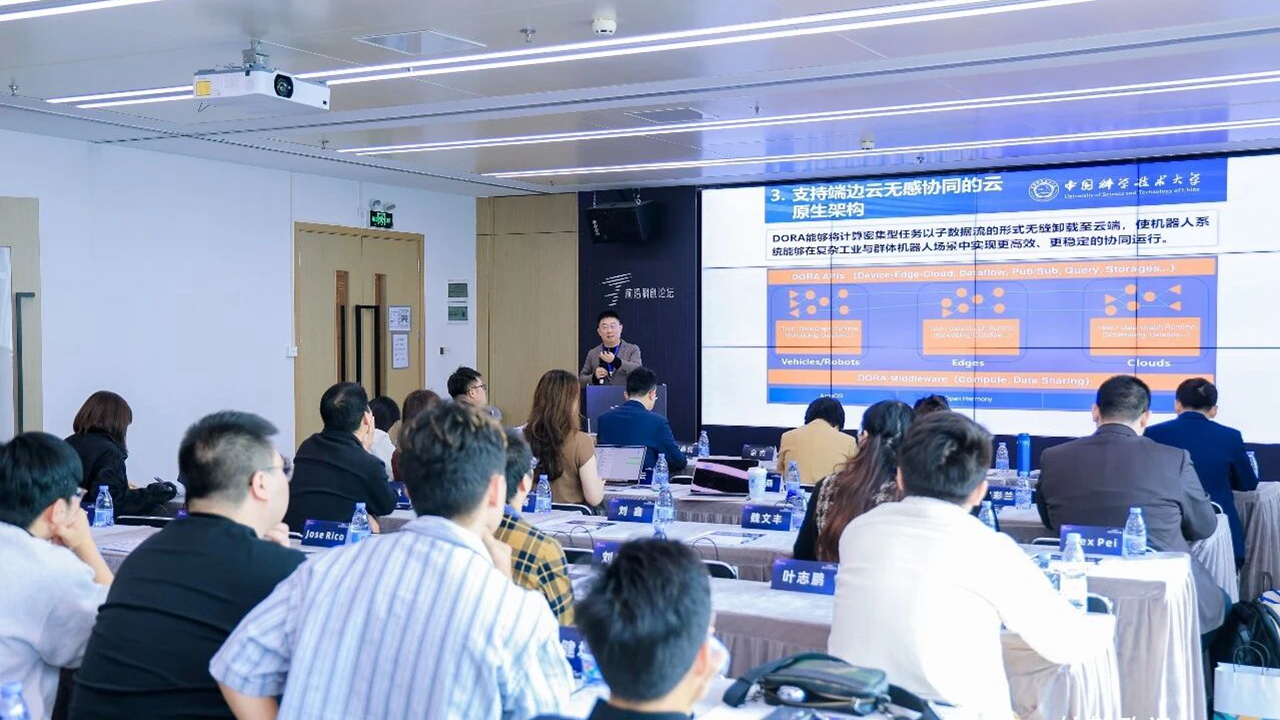
Academic leaders, tech innovators, and industry veterans gather for the "Diffusion and Beyond: Frontier Technology Innovation Forum" at the Shenzhen Park of the Hetao Shenzhen-Hong Kong Science and Technology Innovation Cooperation Zone. Photos courtesy of event organier
The "Diffusion and Beyond: Frontier Technology Innovation Forum," co-hosted by Tencent's Corporate Strategic Communications and the Hong Kong University of Science and Technology's (HKUST) Shenzhen-Hong Kong Collaborative Innovation Research Institute, brought together academic authorities, tech industry leaders, and veteran observers.
Liao Fangli, director of Corporate Strategic Communications at Tencent, emphasized the pervasive and rapid nature of technological diffusion in the AI era. "Technology spreads fast, sometimes catching you completely off guard in your own field," Liao said during the forum. "So everyone really needs to be prepared, both mentally and practically. We probably should start learning how to use AI now and learn to live with it like a long-term partner."
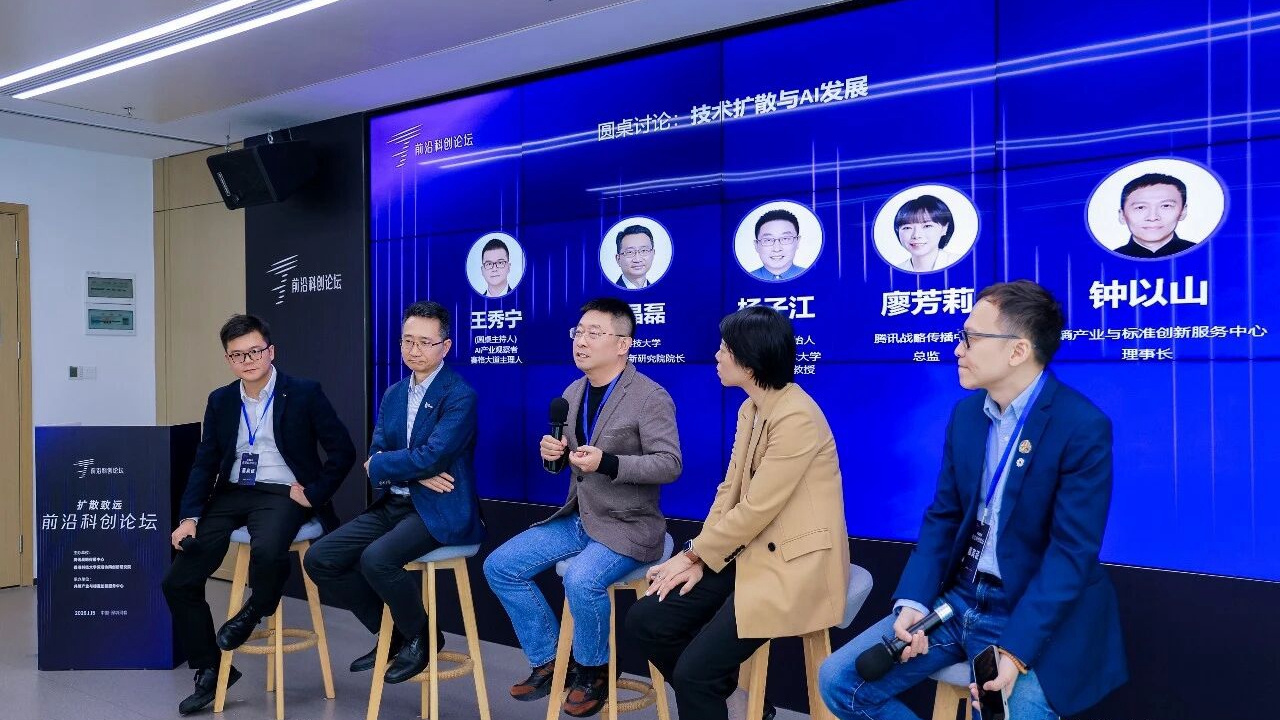
Experts exchange insights in a panel discussion on AI’s future at the "Diffusion and Beyond" forum.
The forum also highlighted the vital role of innovative, interdisciplinary education in preparing the next generation for an AI-integrated world. Zhang Qian, head of the Division of Integrative Systems and Design at HKUST, showcased this approach through student projects that blend personal interest with technological solution-finding.
"Once you develop the ability to identify problems, innovation and entrepreneurship come naturally," Zhang said, citing an example where a student who enjoyed running led a project to develop a robotic running companion. The robot, after receiving the runner's physiological data, could suggest an optimal pace and accompany them on a track. "Projects like this come up often in our students’ work; they identify their own needs and design their own solutions."
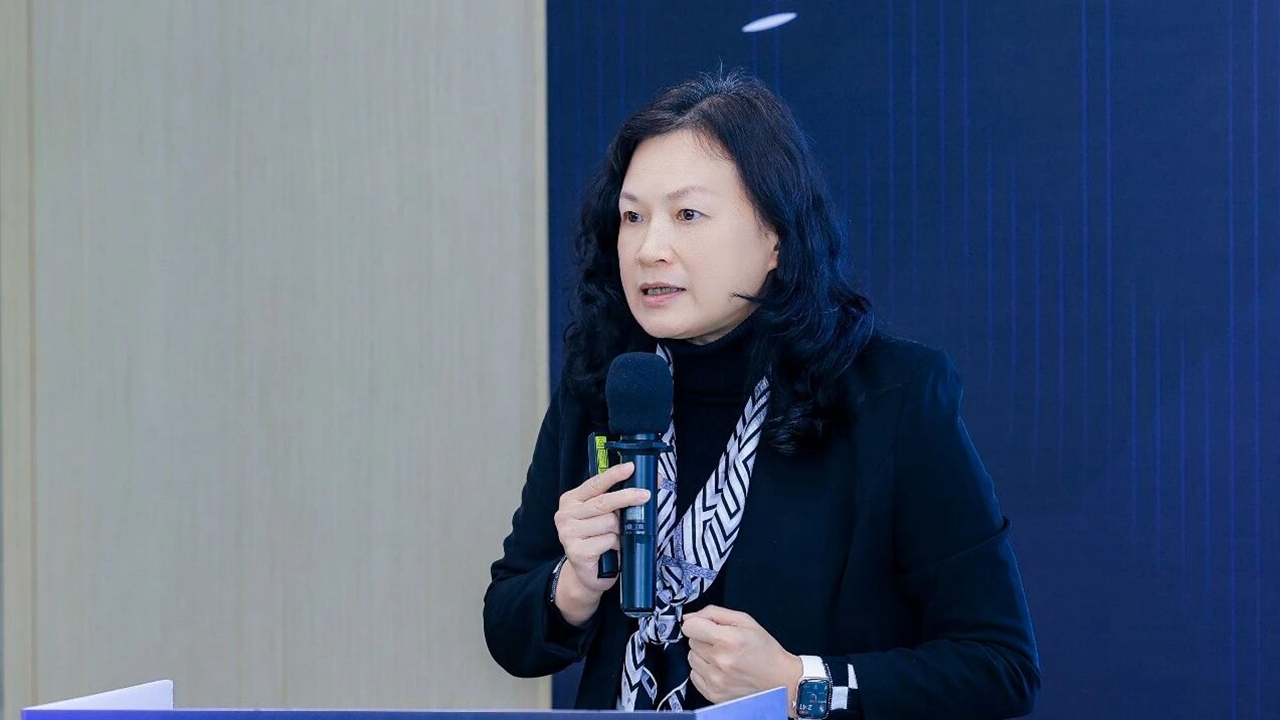
Zhang Qian, head of the Division of Integrative Systems and Design at HKUST, shares how interdisciplinary education fosters student-led innovation in the AI era.
Zhang also underscored the strategic importance of the Hetao Shenzhen Park in bridging Hong Kong's academic excellence with Shenzhen's unparalleled industrial ecosystem. "Space in Hong Kong is limited. Another constraint is that we’re somewhat removed from real industry supply chains," she noted. "People know how complete Shenzhen’s industrial ecosystem is. That’s why we see Hetao as a vital connection point for HKUST."
She revealed plans to establish a new engineering training base in Hetao Shenzhen Park, allowing students to deeply engage with "Shenzhen’s industries, end-users, and innovation ecosystem throughout their project work."