Share
Share


 Print
PrintBao'an hosts new-quality imaging industry conference
Writer: Wei Jie | Editor: Zhang Chanwen | From: Original | Updated: 2026-01-30
Video and photos by Liu Xudong
Shenzhen's Bao’an District unveiled China’s first dedicated policy for the new-quality imaging industry during the Shenzhen (Bao’an) New-Quality Imaging Industry Innovation Application Conference held at the Shenzhen World Exhibition and Convention Center on Jan. 29.
The conference highlighted innovation and application across the imaging industry chain, focusing on technology evolution, industrial collaboration and scenario deployment. Organizers adopted an innovative “main venue + subvenues + multi-scene exhibits” format to present policy announcements, product demonstrations, scene showcases, on-site contract signings and alliance building.
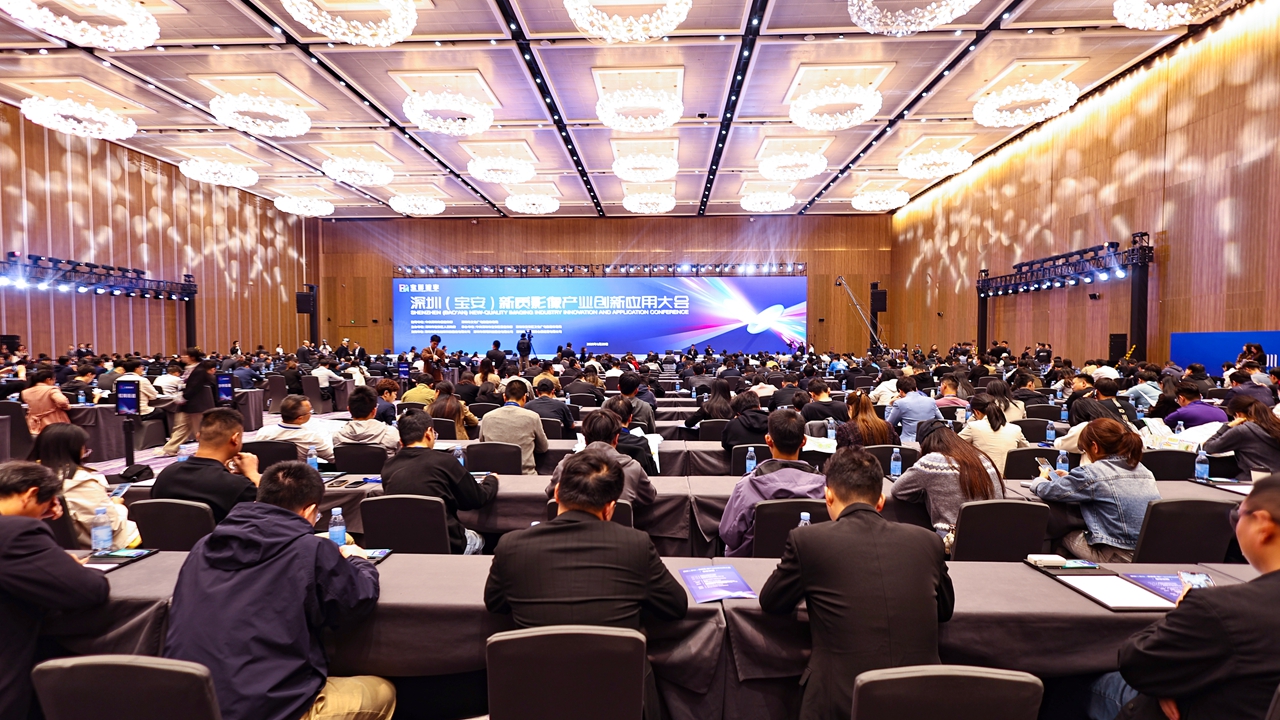
China’s first dedicated policy for the new-quality imaging industry is unveiled in Bao'an District yesterday.
More than 500 companies participated and over 70 exhibitors displayed some 200 products, with 10 cooperation agreements involving government-enterprise, enterprise-enterprise and university-enterprise partnerships signed.
The event also marked the launch of the Shenzhen (Bao’an) New-Quality Imaging Industry Alliance and the Bao’an New-Quality Imaging Industry Think Tank preparatory group, steps officials said will help build a coordinated ecosystem for high-quality industry development by aligning government, industry, academia, research and application.
Two sub-forums ran alongside the main program. The “Entrepreneurs Discuss New-Quality Imaging” session addressed ultra-high-definition technologies, AIGC empowerment, virtual production and AI creative workflows.
Speakers included Chen Yi, founder of Hangzhou-based Zhejiang Timecoordinate Technology Co., Chen Xiaoguang, vice general manager of Digital Domain China, Kong Lingguang, deputy secretary-general of the SUCA Alliance, Lao Mai, CEO of Shaomai Network, and Yuan Yue, CSO of Yingshi Innovation.
The “Boundless New-Quality Imaging” salon examined future imaging scenarios through keynote speeches and three high-level roundtables, exploring design-driven innovation, tech enablement and ecosystem co-creation.
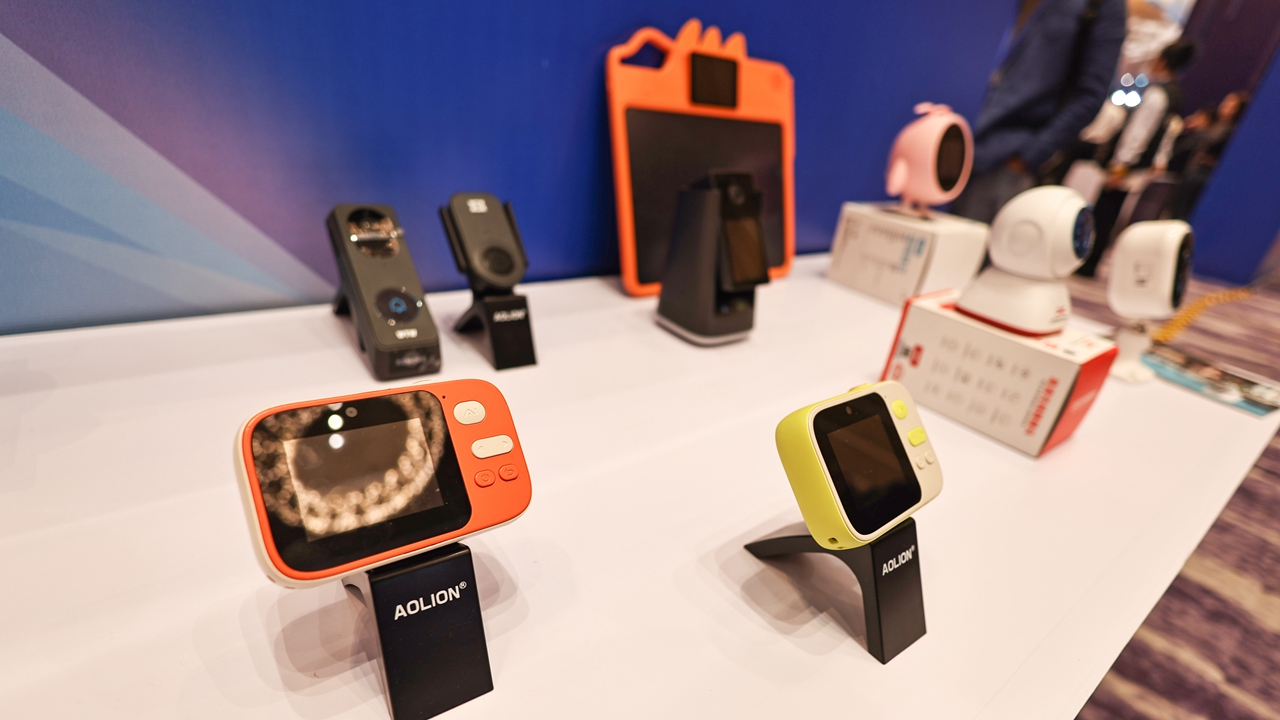
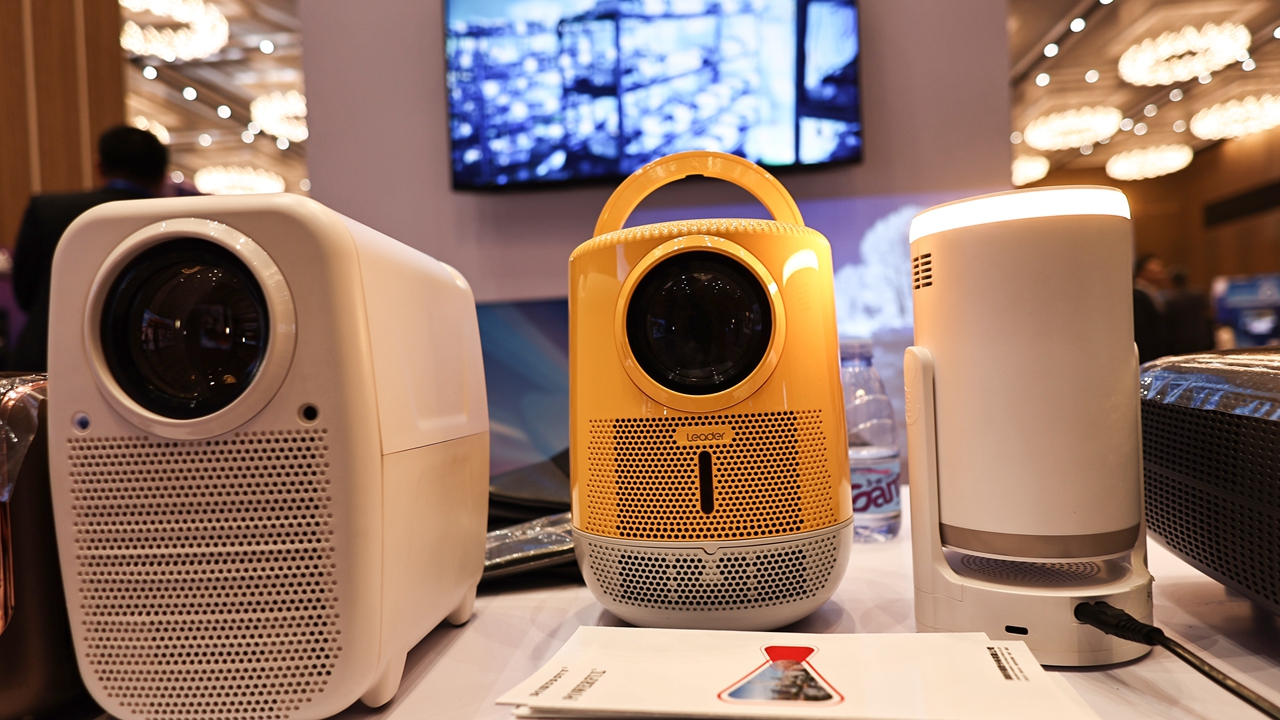
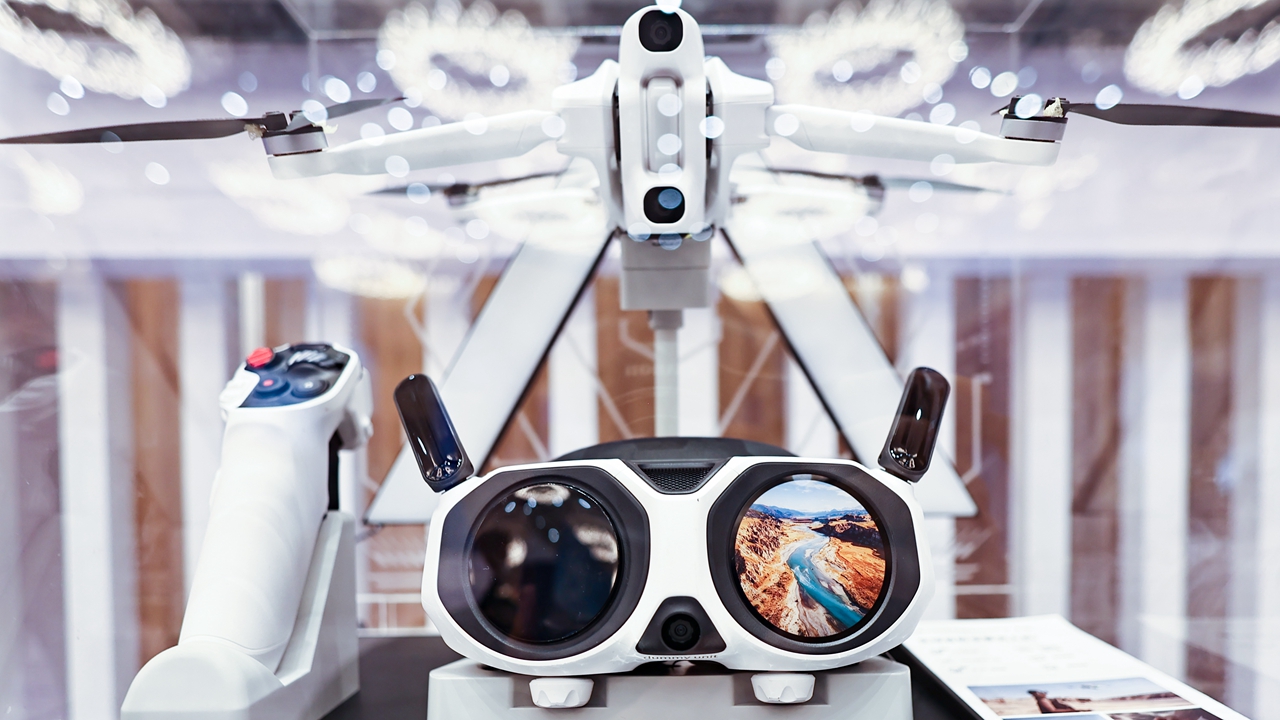
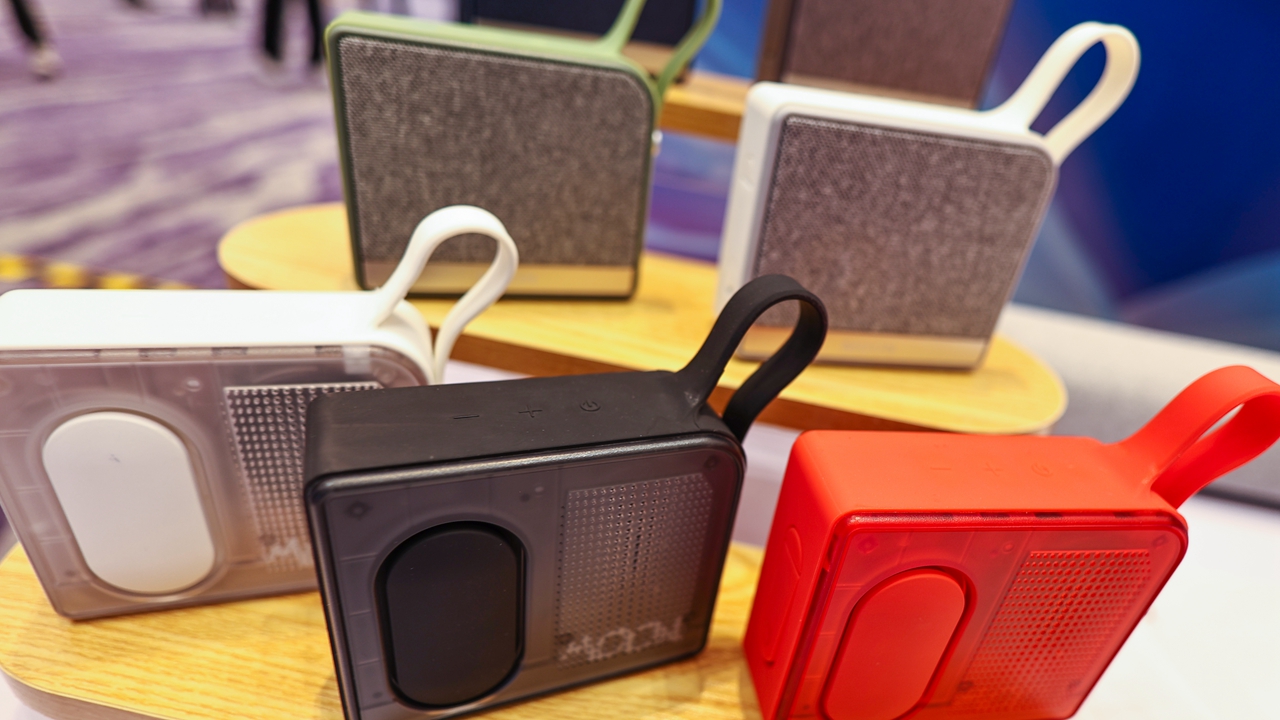
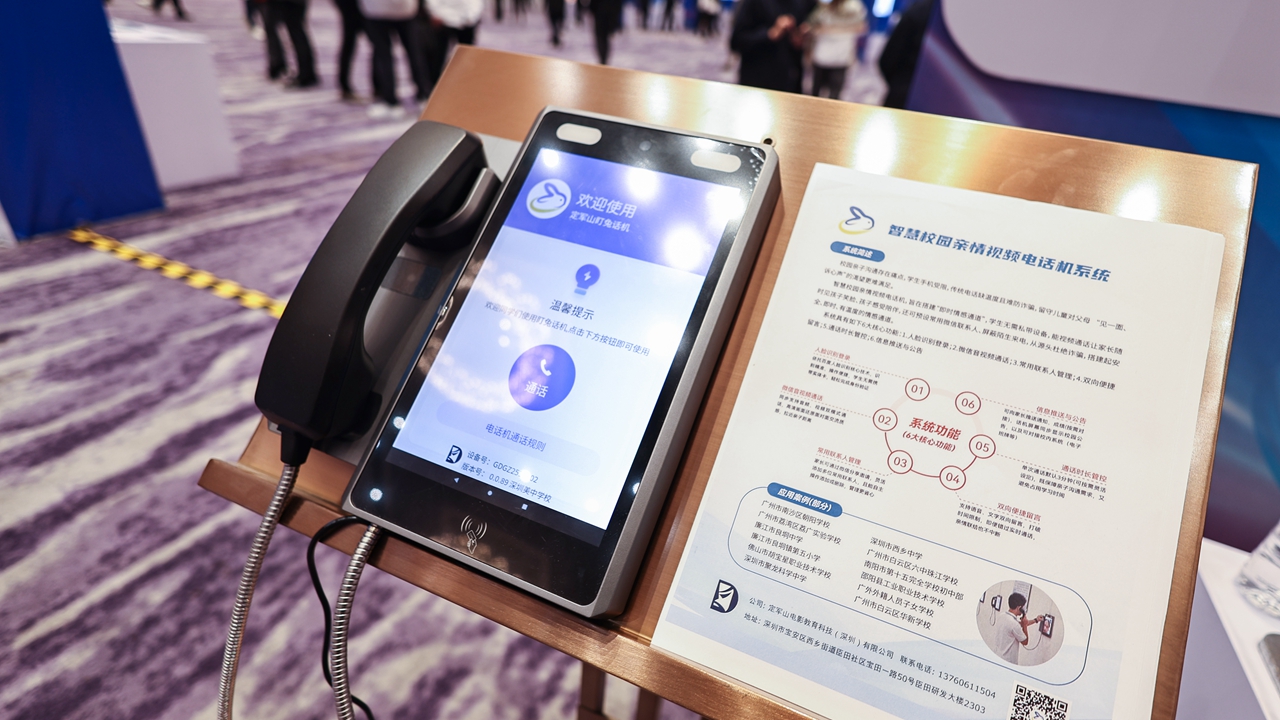
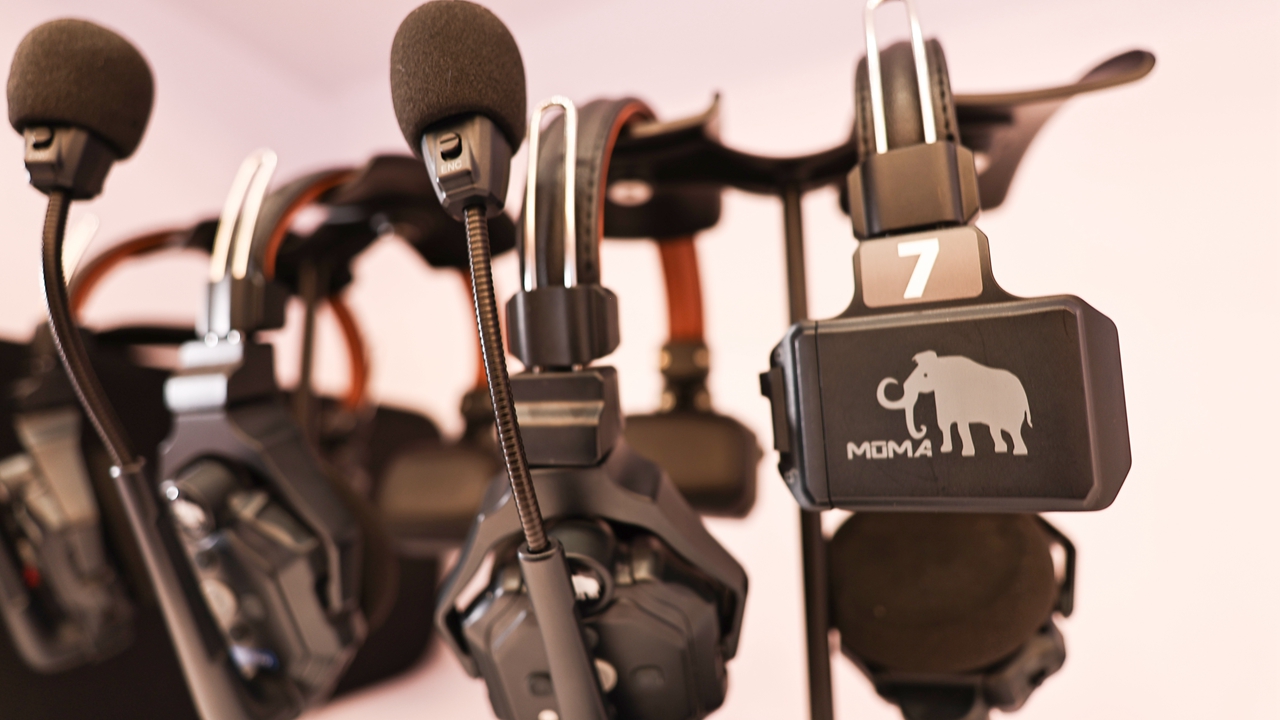
At the sideline of the conference, an exhibition was held to showcase technologies such as panoramic cameras, 3D printers and ultra-high-definition displays in themed zones — imaging dissemination, image capture, content creation and smart glasses.
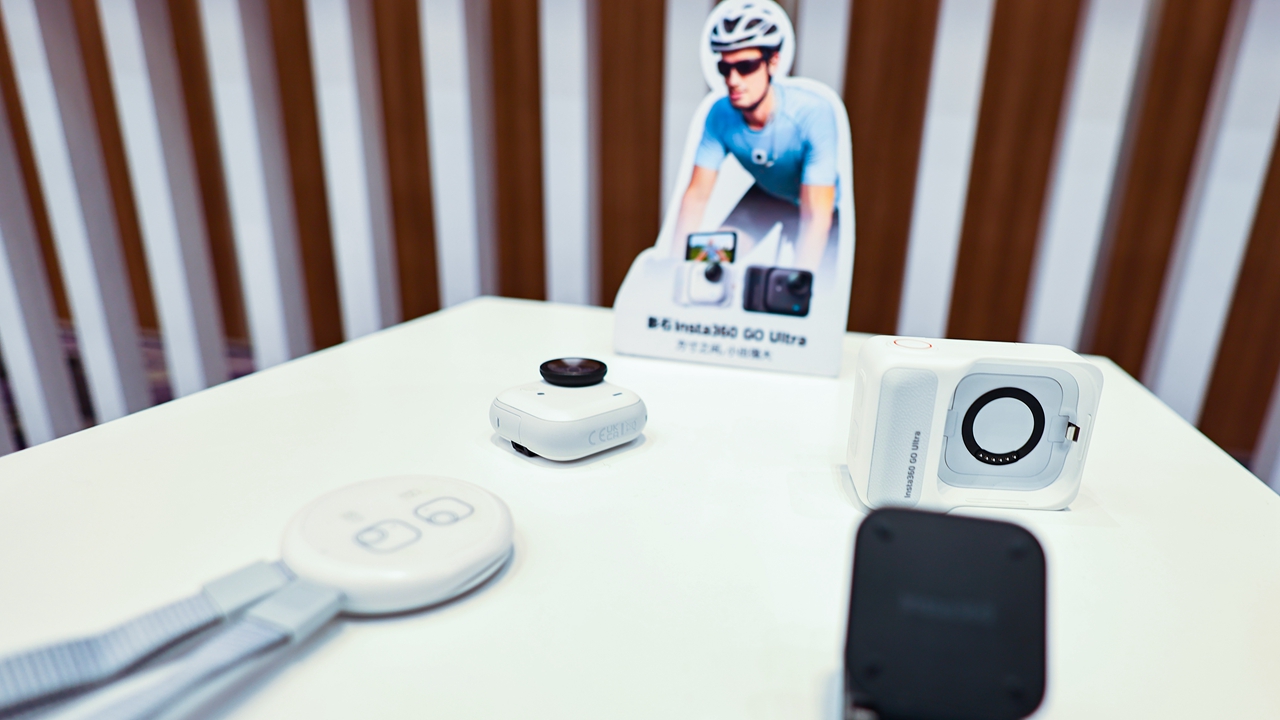
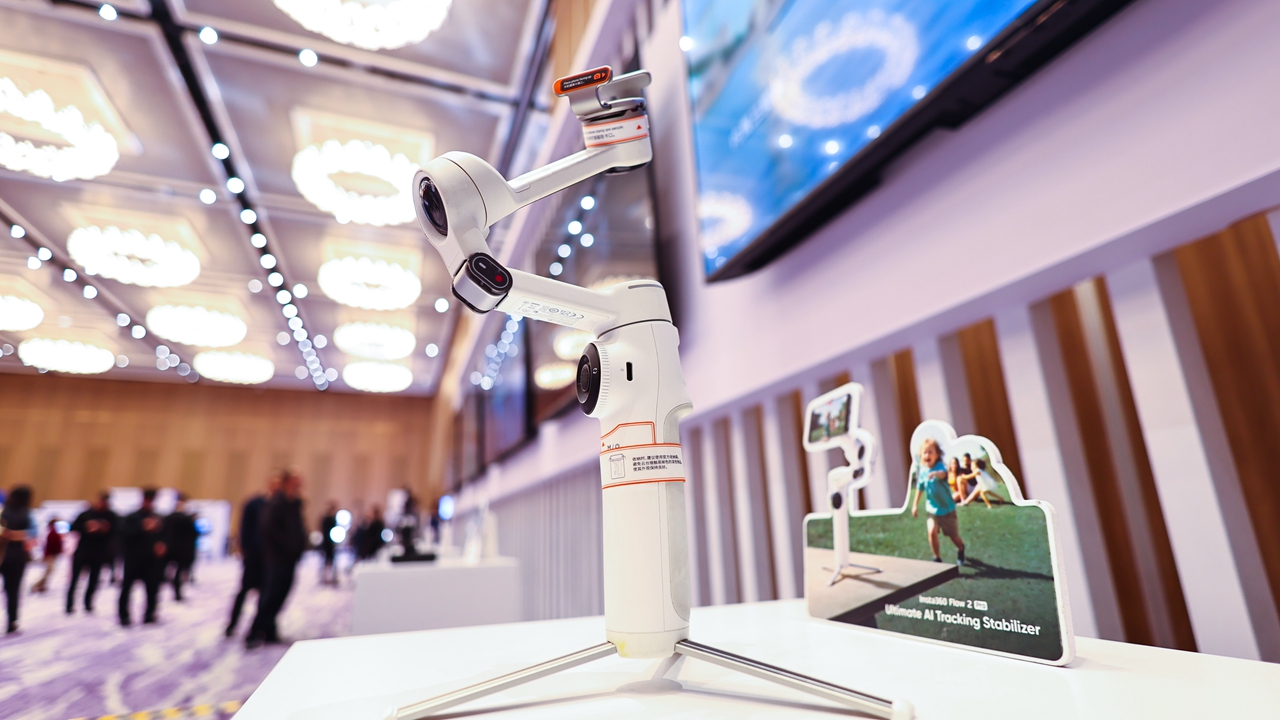
The imaging capture and dissemination zones brought together hardware leaders and software innovators, including Insta360 and Unilumin, presenting end-to-end solutions from ultra-HD display and XR virtual shooting to AI-driven image processing, 3D modeling and intelligent editing.
The content creation zone highlighted digital studios and creators such as Heywow Studios, Lingsanwu Animation and Kepler Alien, demonstrating short-form video, animation and immersive narrative projects driven by AIGC.
A dedicated smart-glasses area featured innovations from 16 companies, underscoring the device’s growing value in education, journalism and cultural tourism.
Bao’an also unveiled its new cultural-tourism digital ambassador, the digital human “Wanbao” during the event. Designed with AI, 3D modeling and local cultural elements, Wanbao features the Bay Glory Ferris wheel as a visual focal point and a transparent, tech-textured helmet to symbolize the blending of online and offline digital tourism experiences.
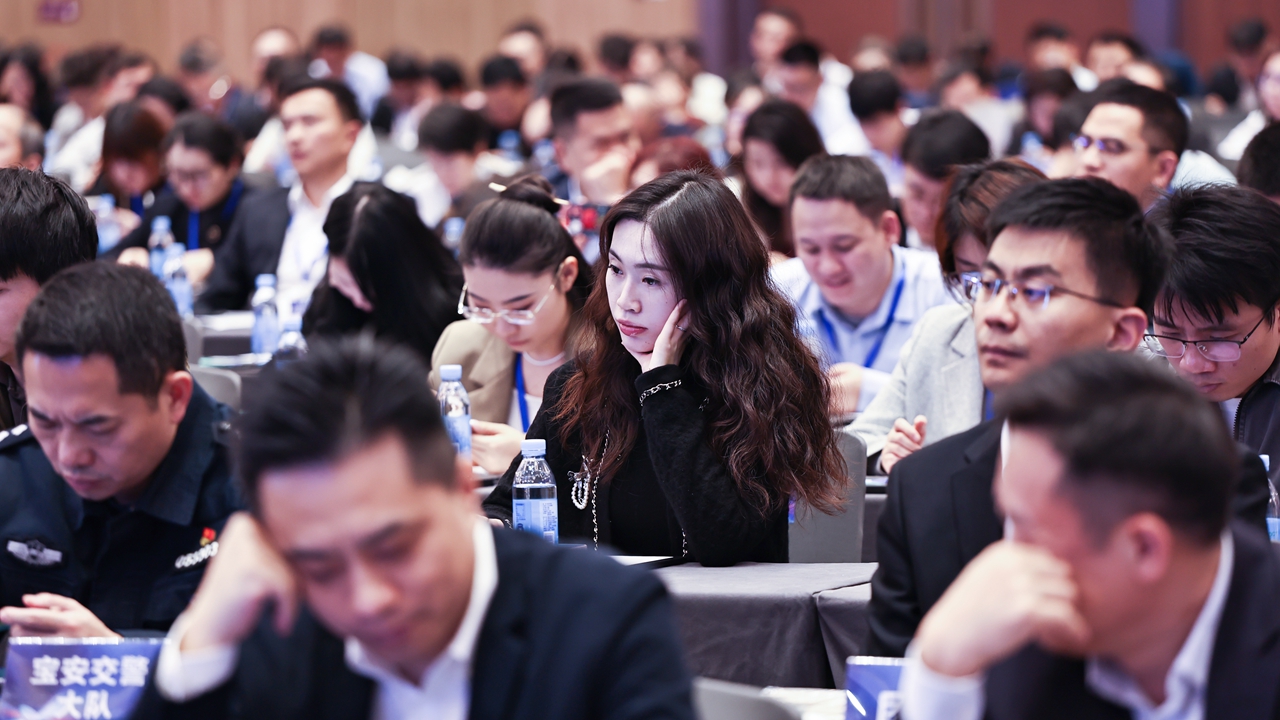
Attendees listened intently during the conference.
During the conference, a major policy package, billed as China’s first targeted industry policy for new‑quality imaging, was released. The measures cover key areas including space, technology, platforms, events and finance, and introduce precise, substantive support measures meant to form an “empowerment matrix” with related policies for smart glasses, digital entertainment and cultural‑tourism sectors.
Bao’an also named two industry incubation bases — F518 Creative Park and Xinqiao Film Industry Base — to cultivate innovation ecosystems and industry clusters.
Bao’an reported strong industry momentum for 2025. In the first three quarters of last year, its digital creative industry cluster posted added value of about 6.506 billion yuan, up 30.76% year on year. The district is home to 262 imaging-related firms, including globally competitive players such as Insta360, whose panoramic cameras hold an estimated 85.8% global market share, and Unilumin, whose XR virtual production products account for roughly 70% of the global market.
Bao’an has developed a complementary landscape with Insta360 as a global brand benchmark, Tencent-linked content ecosystems as chain leaders, and companies such as Unilumin and Godox supporting cross‑field collaboration, while nurturing AI imaging pioneers like SoftNiu and Shanjian.
Organizers said the conference and the new policy package aim to accelerate resource aggregation, strengthen innovation capacity and guide industry direction, helping Bao’an and Shenzhen better convert technological advances into commercial applications and enhance the city’s role as a national imaging innovation hub.
More photos: