
 Share
Share


 Print
PrintAPEC host cities in China
Writer: | Editor: Lin Qiuying | From: | Updated: 2026-02-11
SHENZHEN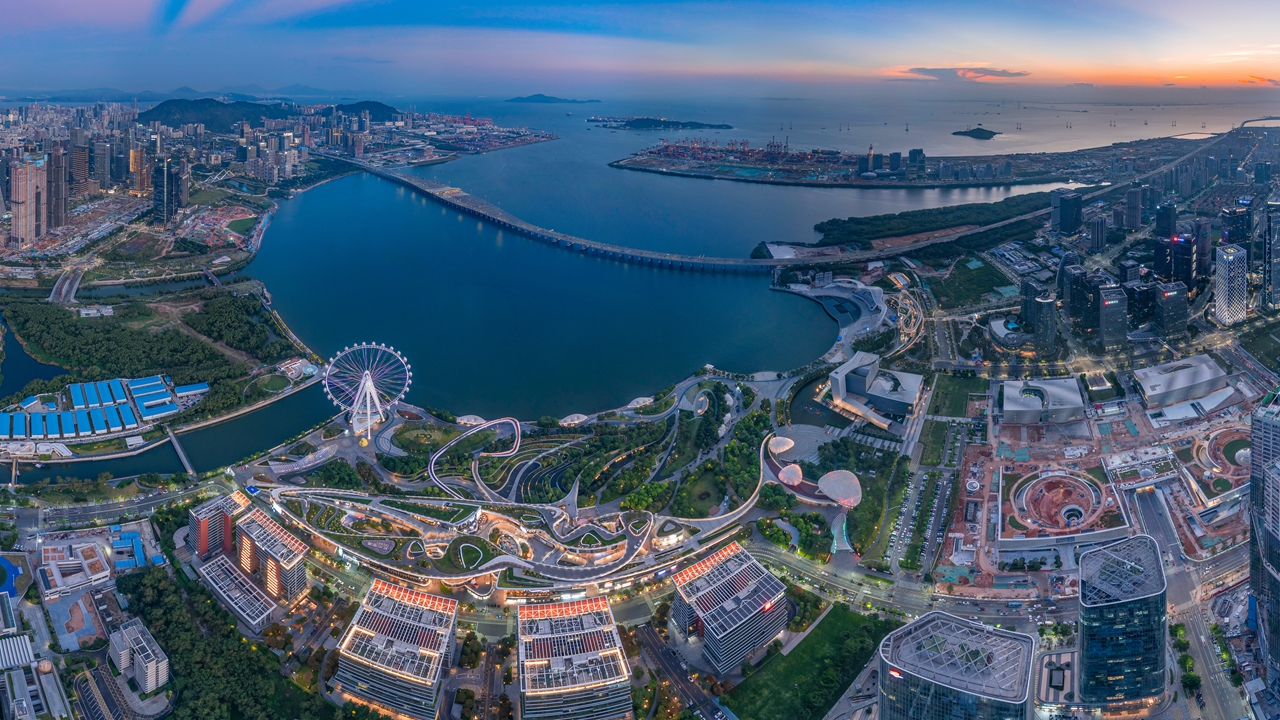
Shenzhen owes its development to China’s Reform and Opening-up. Established as a city in March 1979, it became the country’s first Special Economic Zone in August 1980.
Known as the "the City of Peng," Shenzhen is a coastal city in southern China, adjacent to Hong Kong, China. Shenzhen administers nine districts — Futian, Luohu, Yantian, Nanshan, Bao’an, Longgang, Longhua, Pingshan, and Guangming — as well as Dapeng New District and the Shenzhen-Shanwei Special Cooperation Zone. The city covers a total area of 1,997.47 square kilometers, with a coastline stretching 260.5 kilometers. It enjoys a subtropical monsoon climate, with an annual average temperature of 23.0°C. By the end of 2024, Shenzhen had a permanent population of 17.9895 million, with an average resident age of 32.5.
Over the past four decades, Shenzhen has transformed from a small fishing village into a modern international metropolis — a miracle in the history of global development achieved by the Chinese people. In 2025, Shenzhen’s GDP reached 3.87318 trillion yuan, ranking third nationwide. The city’s total output value and value-added of industrial enterprises above designated size have maintained the top position among Chinese cities for four consecutive years. Its total import and export volume has led all Chinese cities for two consecutive years.
Known as China’s "Silicon Valley" and the "Southern Center of Technology," Shenzhen is a major hub for high-tech industries and advanced manufacturing. It is home to world-renowned technology companies such as Huawei, BYD, Tencent, and DJI. It is also the first Chinese city to be designated a "City of Design" by UNESCO. In 2025, the Shenzhen-Hong Kong-Guangzhou innovation cluster topped the Global Innovation Index rankings. Shenzhen’s R&D investment intensity ranked first among Chinese cities, while its PCT international patent applications maintained the leading position nationwide.
Shenzhen is striving to build itself into an economic center of greater global influence and a modern, international metropolis, aiming to lead the way and serve as a pioneering force in advancing Chinese modernization.
GUANGZHOU
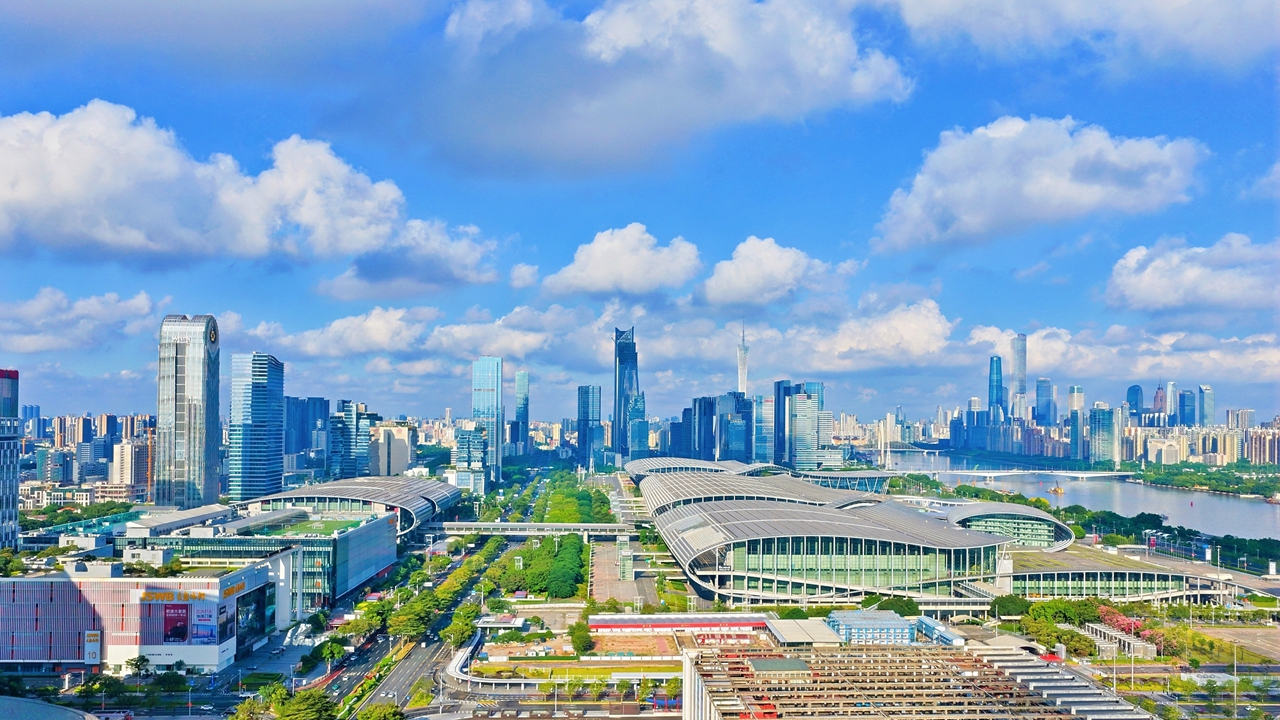
Guangzhou is one of China’s leading central cities and the capital of Guangdong Province. Covering an area of 7,434.4 square kilometers, Guangzhou serves a population of approximately 24 million and has an economic output exceeding RMB 3 trillion. With a history of more than 2,240 years, Guangzhou is a renowned historical and cultural city, often referred to as a “millennium-old commercial hub.” More than a thousand years ago, it was one of the starting points of the Maritime Silk Road. Over a century ago, it stood at the forefront of China’s modern transformation, and more than forty years ago, it was among the first to work out viable approaches to the development of special economic zones. Today, Guangzhou is actively advancing the development of the Guangdong–Hong Kong–Macao Greater Bay Area and continues to serve as a major engine of high-quality development.
Guangzhou is a center for international commerce and trade in China, a major national hub for advanced manufacturing, a comprehensive national gateway, and a key hub for international scientific and technological innovation. It hosts six advanced manufacturing clusters with output values exceeding RMB 100 billion each, as well as ten service industries with added value above RMB 100 billion. Strategic emerging industries — including automobiles, biomedicine, display technologies, integrated circuits, and aerospace — are experiencing rapid growth. Guangzhou ranks sixth globally in the Nature Index for research cities. The city is home to more than 4.25 million registered market entities, over 50,000 foreign-invested enterprises, and investments from 368 Fortune Global 500 companies. It has been ranked as China’s top investment destination for eight consecutive years.
With a long-standing commitment to openness, Guangzhou serves as an important bridge connecting China with the rest of the world. It maintains trade relations with over 200 countries and regions, while its consumption and foreign trade have each exceeded RMB 1 trillion and maintained sustained growth in recent years. The China Import and Export Fair (Canton Fair), the country’s longest-running and largest trade exhibition, has been successfully held for 138 sessions. Guangzhou’s airport handles more than 83 million passenger trips annually, ranking among the world’s top ten, while its port records nearly 700 million tonnes of cargo throughput, ranking sixth globally. The city hosts 70 foreign consulates and has established partnerships with 111 international sister cities and friendly cooperation cities.
SHANGHAI
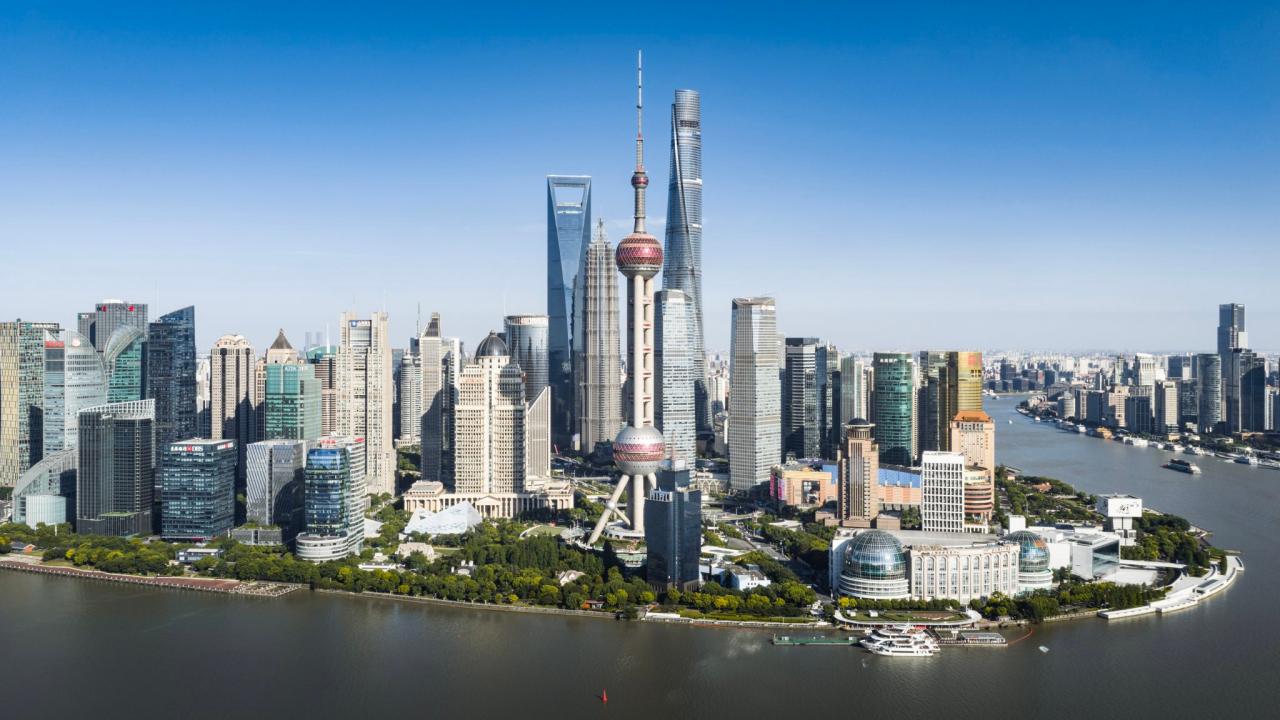 Shanghai is situated on China's eastern coast at the estuary of the Yangtze River, facing the Pacific Ocean. Together with neighboring Zhejiang, Jiangsu and Anhui provinces, it forms the Yangtze River Delta region -- one of China's most open, innovative and economically vibrant regions. In 2025, the municipal GDP topped 5.67 trillion yuan, with the per capita disposable income reaching 92,000 yuan.
As China's largest economic center and a key global economic hub, Shanghai is accelerating its development as an international economic center, with its urban strength and core competitiveness continuing to grow. Shanghai continues to strengthen its role in global financial resource allocation, accelerating the enhancement of its core competitiveness and international influence as an international financial center. Shanghai is also aligning with high-standard international trade and economic rules to enhance its role as a trade hub and accelerate its development as an international trade center. Shanghai continues to enhance its global capacity for allocating shipping resources and is accelerating its development as an international shipping center, with its role as a maritime hub steadily strengthening. Shanghai is consistently strengthening its role as a source of scientific and technological innovation and a leader in high-end industries, accelerating its transformation into a globally influential hub for scientific and technological advancement.
Shanghai is committed to promoting the city spirit of "Collective Wisdom, Lofty Aspirations, Far-seeing Intelligence, and Modesty and Harmony," and showcasing its character of "Openness, Innovation and Tolerance." The city will continue to amplify the integrated, platform-based, expansive, and radiating effects of its "Five Centers" development strategy -- enhancing its role as an international center of economy, finance, trade, shipping, and science and technology innovation. With these efforts, Shanghai is accelerating its transformation into a modern socialist international metropolis with global influence, aiming to play a leading and exemplary role in advancing Chinese modernization and contributing more significantly to the comprehensive realization of national rejuvenation and strength.
DALIAN
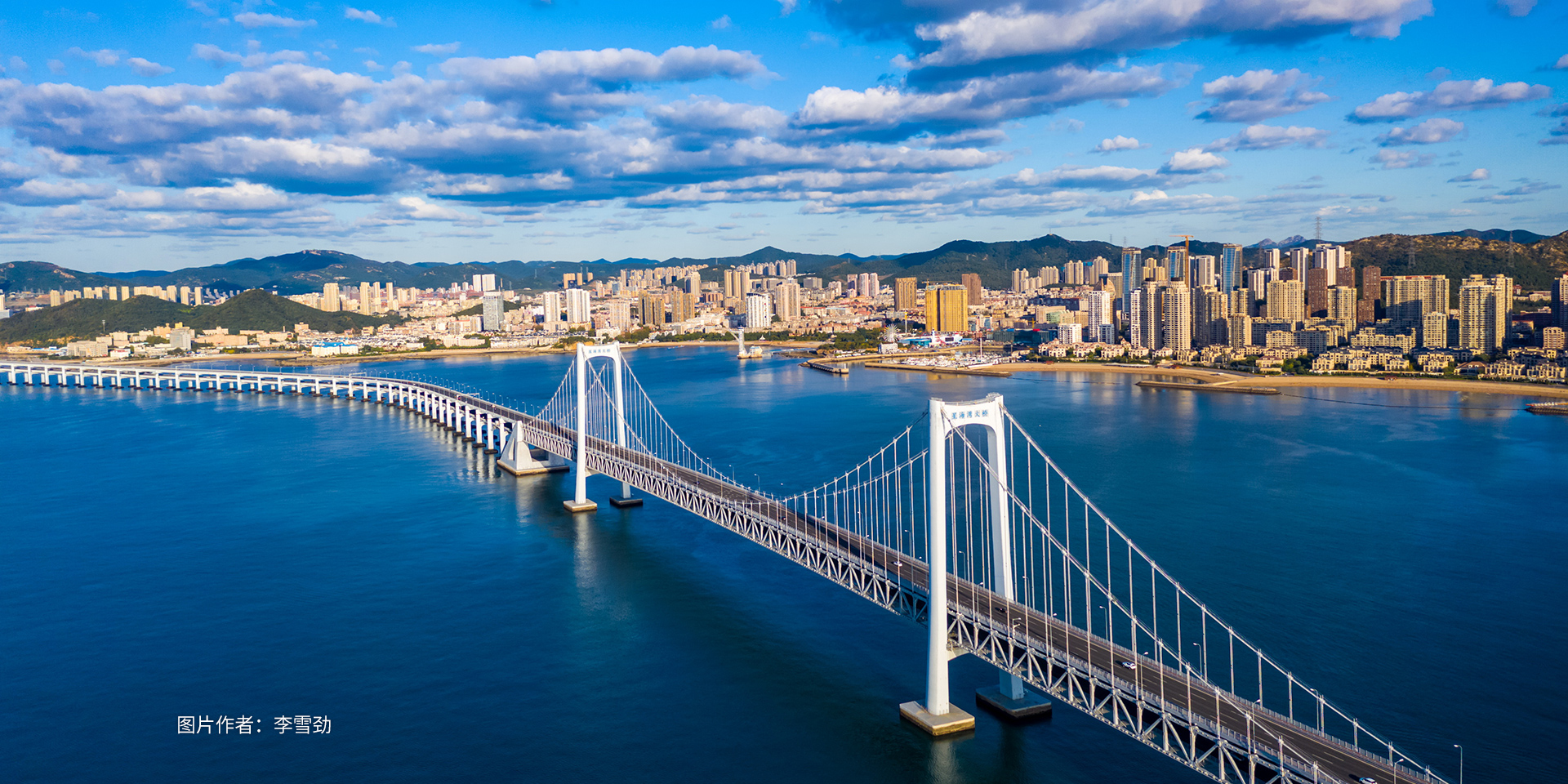
Dalian is located at the southern tip of Liaodong Peninsula, surrounded by the sea on three sides. It covers a land area of 13,700 square kilometers and has a population of 7.544 million. Dalian administers seven districts, two county-level cities, one island county, three national-level opening-up pilot zones, and is also one of China’s five cities specifically designated in the state plan.
Dalian, with solid industrial foundation and comprehensive industrial categories, is an important petrochemical and equipment manufacturing base in China. China's first aircraft carrier, first offshore drilling platform, and first high-power diesel locomotive were born here, and the city is forming a modern industrial system with developed real economy.
Dalian, dedicated to innovation and exploration, is a national innovation city. It is home to 31 colleges and universities such as Dalian University of Technology, and more than 4700 high-tech enterprises, and the city is developing into a regional science and technology innovation center with national influence. Dalian is an inclusive city embracing the world with its genes of openness and cooperation. Boasting 106 shipping lines connecting to over 300 ports in 160 countries and regions, Dalian has over 300 domestic and foreign financial institutions, and the city is forging ahead as a high-level open gateway hub connecting home and aboard.
Dalian thrives with the ocean and grows by the ocean, and the marine economy has become the "blue engine" for the revitalization and development of the city. With a sea area covering approximately 30,000 square kilometers, Dalian has a coastline of 2211 kilometers, and the city is constructing a modern ocean city with coordinated development of land and sea. Dalian is a city that honors, respects, values, and cherishes enterprises. Dalian has been rated as an Innovative City for Business Environment as well as a Benchmark City for International Business Environment, with its credit ranking standing firm at the top nationwide, and the city is building a benchmark city of business environment that attracts people from near and afar.
Dalian, boasting picturesque scenery and surrounded by mountains and seas, is awarded as “World's Most Livable Cities” “Cultural Capital of East Asia” “China’s Best Tourist City” and “National Civilized City.” Its number of days with good air quality has reached more than 315 days for many consecutive years. Destinations such as Gangdong Fifth Street, and Suoyuwan Football Stadium have attracted widespread attention, and the city is advancing as an international coastal tourism destination for living, working and travelling.
SUZHOU
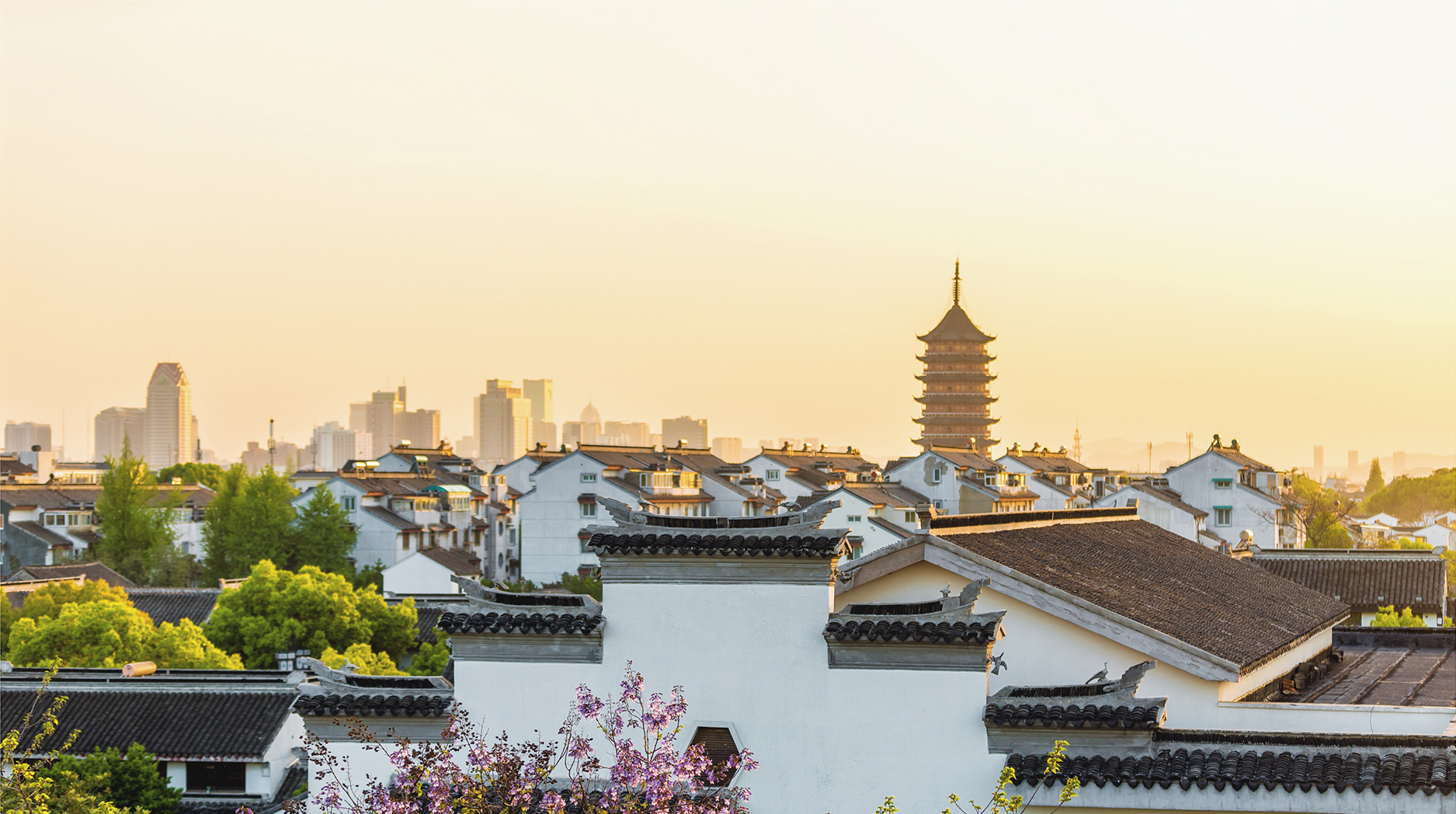
Suzhou is an important central city in eastern China. Closely neighboring Shanghai, it is located in the core area of the Yangtze River Delta, one of China’s most economically dynamic regions. As a classic water town in the lower reaches of the Yangtze River — known as the Jiangnan region in China — the city has long enjoyed the reputation as the “oriental water city” and “paradise on earth.”With a total area of 8,657.32 square kilometers, Suzhou is home to a population of over 16 million. In 2025, it achieved a regional GDP of 387.7 billion USD, ranking 6th among all the cities in the Chinese mainland and around 20th globally. In terms of the total output of industrial enterprises above designated size and the import & export volume, Suzhou takes up the 2nd and the 4th place respectively among all the cities in the Chinese mainland.
With a history of more than 2,500 years, Suzhou is one of China’s first round of nationally designated historical and cultural cities and a celebrated international tourist destination. Nine classical gardens represented by the Humble Administrator’s Garden and the Suzhou Section of the Grand Canal are listed as UNESCO World Cultural Heritage Sites. Eight items including the Chinese Kunqu Opera, Song Brocade, and Biluochun tea production techniques are inscribed on the UNESCO Representative List of the Intangible Cultural Heritage of Humanity.
Suzhou is one of the cities in China with the most international cooperative platforms and foreign investors. It boasts 14 national-level economic development zones, including the China-Singapore Suzhou Industrial Park, and over 19,000 foreign-invested enterprises in actual operation. 185 overseas Fortune Global 500 companies initiated over 500 projects in the city. Suzhou has developed international friendship city relationships with 61 cities. It is a starting point and key linkage of multiple industrial chains in China and beyond. Gathering over 160,000 industrial enterprises, Suzhou enjoys world-class industrial supporting capabilities and vertical integration capacity. Its distinctive and leading industries encompass electronic information, equipment manufacturing, new materials & new energy, biomedicine, artificial intelligence, etc. Suzhou is also a hub of diverse cultures. Its international communities offer a variety of cultural activities and exchange platforms that foster interactions among different cultures. The World Bank and Forbes magazine respectively recognized Suzhou as one of China’s Gold Medal Cities for Investment Environment and the Best Cities for Business in the Chinese Mainland. For fourteen consecutive years, Suzhou has ranked among “China’s Most Attractive Cities for Expats.”
CHENGDU
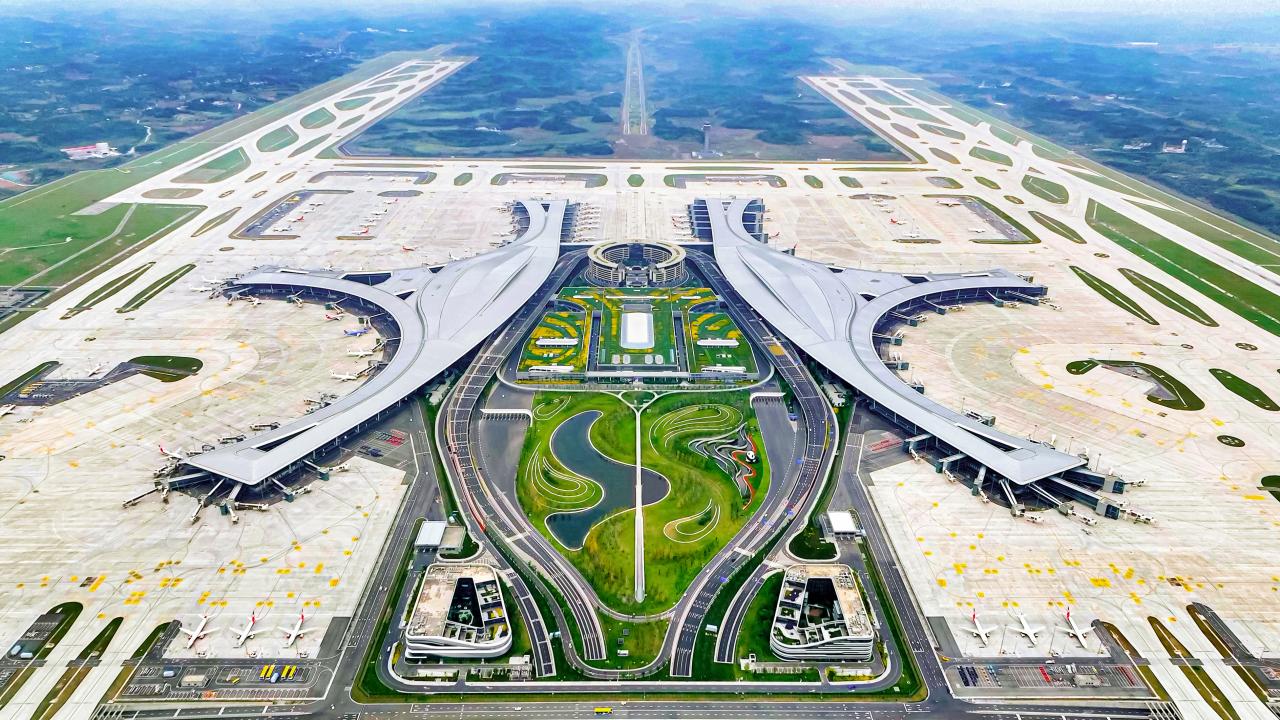
Chengdu, the capital of Sichuan Province, boasts a civilization spanning 4,500 years and a history of over 2,300 years as an established city. Located west of the Sichuan Basin, it is the only mega city in the world with a population exceeding ten million that enjoys views of snow-capped mountains towering over 5,000 meters high, and the closest major metropolis to the core habitat of giant pandas. Home to Mount Qingcheng and the Dujiangyan Irrigation system listed as a UNESCO World Heritage Site, the city has long been known as the “Land of Abundance”.
Covering an area of 14,300 square kilometers, Chengdu recorded a GDP of 2.48 trillion yuan in 2025, ranking seventh among Chinese cities, while its permanent resident population surpassed 21.474 million. As a key central city in western China, Chengdu is recognized as a National Historical and Cultural City, an international hub city of integrated transportation, and the first City in Asia to be designated a UNESCO City of Gastronomy. Furthermore, Chengdu has been honored as “China’s Happiest City” for 17 consecutive years.
Today, Chengdu is not only a city of comfort and charm, but also a dynamic hub of innovation and endeavour. It actively serves and integrates into national overall strategic landscape, seizing opportunities such as the large-scale development of the country’s western regions in the new era. Guided by the vision of building a park city demonstration zone that practices the new development philosophy, Chengdu is accelerating efforts to establish itself as an important center of economy, sci-tech innovation, international exchanges, international consumption, and cultural creativity in China, as well as a key base for national strategic sci-tech strength, a national base for advanced manufacturing, a cluster for digital cultural and creative industries, a new highland for reform and opening-up, and a livable city of high-quality life. Chengdu is also exploring pathways for the transformation and development of a modern metropolis, and striving to build itself into a socialist modern international metropolis with a global influence and reputation.
As the host city of the APEC Digital Weeks 2026, Chengdu will embrace guests from across the Asia-Pacific region with an open and inclusive spirit. Building upon its millennia-old cultural heritage, the city will join hands with participants to envision and shape the future of digital and artificial intelligence.
MACAO SAR
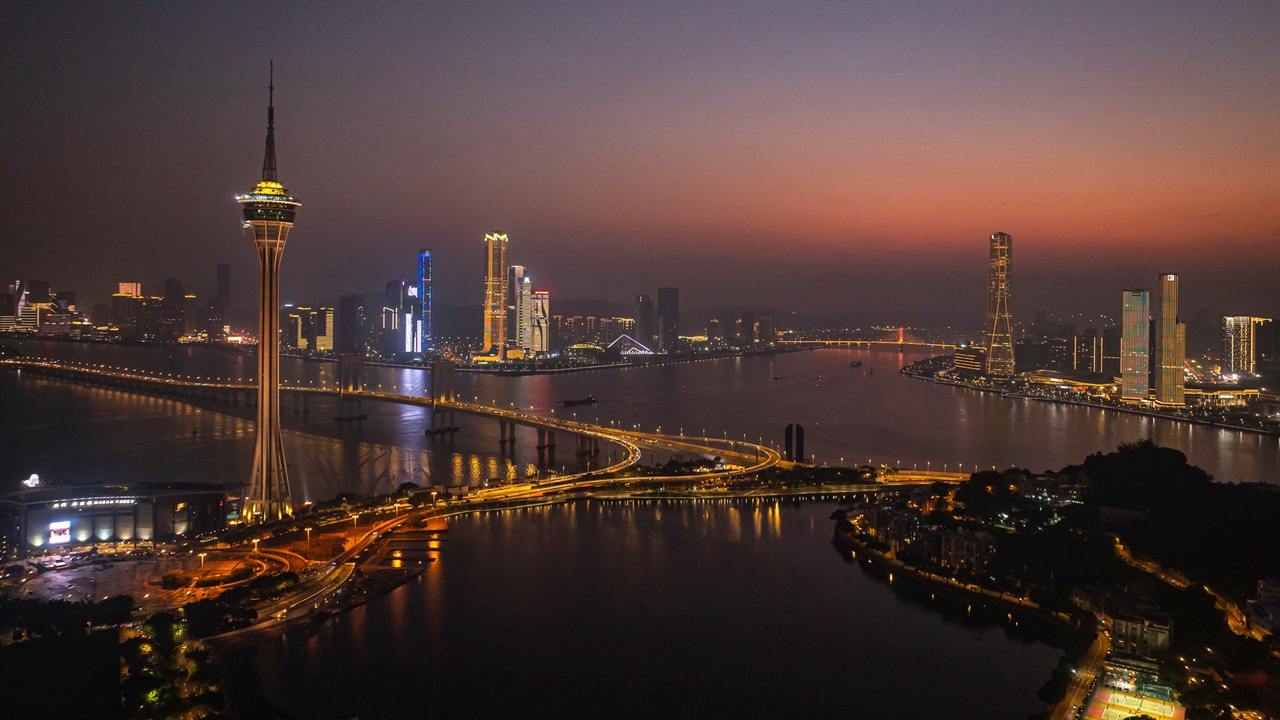
Nestled on the southeastern coast of China, Macao has long been the melting pot of Eastern and Western cultures. Macao's two impressive business cards — "Historic Centre of Macao" inscribed on the UNESCO World Heritage List and "UNESCO Creative City of Gastronomy" — collectively propel Macao's evolution as the "World Centre of Tourism and Leisure."
Tourism is the pillar industry of Macao's economy. Thousands upon thousands of visitors from across the globe travel to Macao every year. The vibrant fusion of Eastern and Western cultures transforms into a harmonious blend of an unique cultural tapestry, manifesting in its architectural marvels, local customs, and culinary treasures. Creative passion comes alive through a line-up of international cultural and art events, complemented with the recognition of Macanese Gastronomy, a standout feature inscribed on the National List of Intangible Cultural Heritage. These elements truly showcase Macao's distinctive allure as a tourist destination.
Aspiring to enrich visitors' experience, Macao hosts a profusion of international events, including the Chinese New Year Parade, Macao International Travel (Industry) Expo, International Cities of Gastronomy Fest Macao, Macao Grand Prix, Macao International Fireworks Display Contest, and Light Up Macao.
From iconic architecture to world-class hotels and integrated resorts, from local boutiques to international luxury brands, as well as large-scale infrastructure projects, historic sites, culinary offerings, cultural heritage gems and festive events, all contribute to the transformation and advancement of the city. Macao is ready to unleash a future brimming with potential in global tourism by embracing the appropriate economic diversification development strategy.
Welcome to explore a unique Macao experience.
HANGZHOU
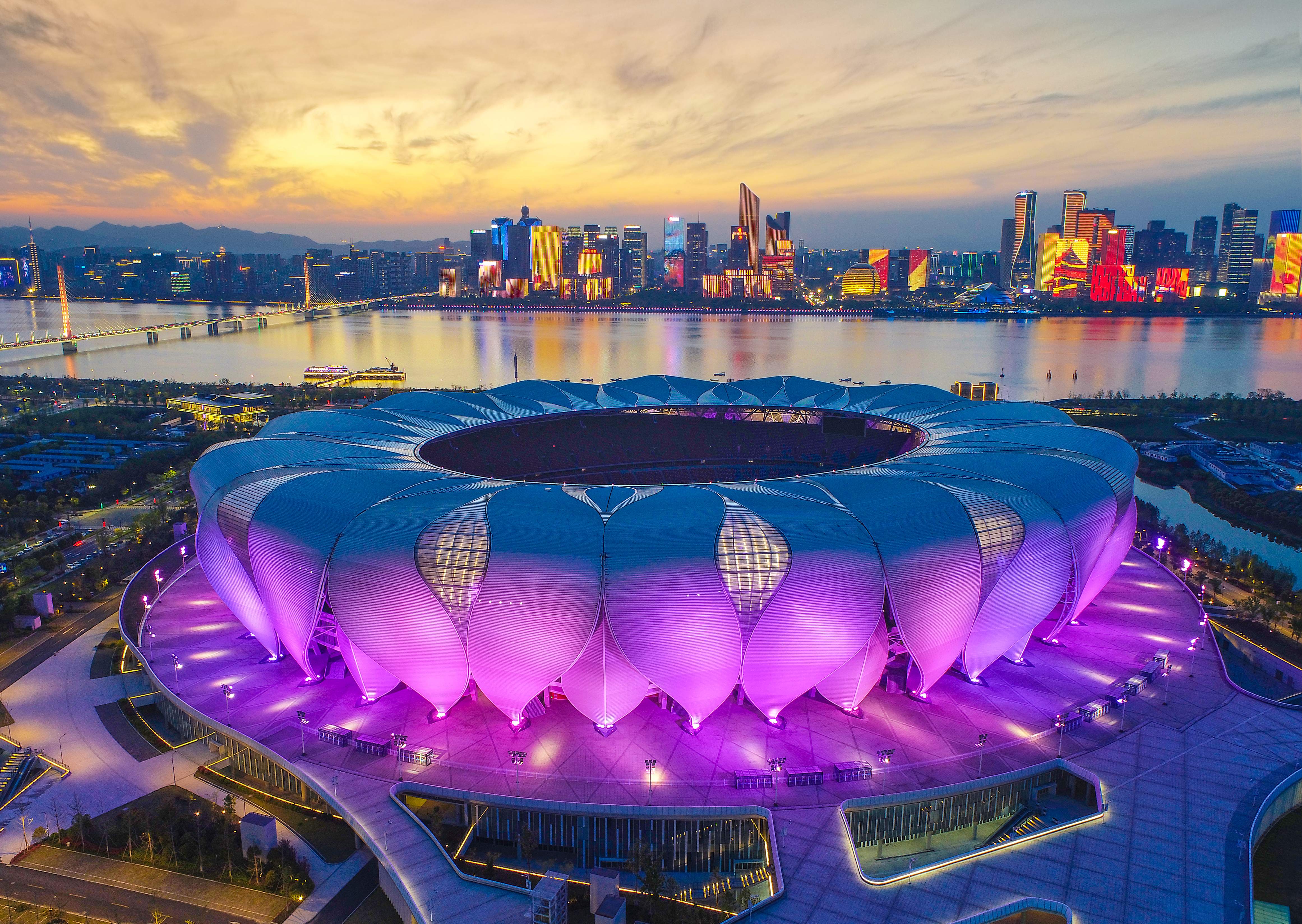
Hangzhou is a significant cradle of Chinese civilization and one of the seven ancient capitals of China. As the capital of Zhejiang Province, it serves as the province’s economic, cultural, scientific, and educational hub. It is one of the first nationally recognized historical and cultural cities in China, and is home to three UNESCO World Heritage sites: the West Lake Cultural Landscape, the Grand Canal, and the Archaeological Ruins of Liangzhu City. The 13th-century Italian traveler Marco Polo praised Hangzhou as “the finest and noblest in the world.” During the G20 Summit held in the city in 2016, President Xi Jinping positioned Hangzhou as “a historic and cultural city, an innovation hub, and a capital of eco-civilization.” The 19th Asian Games and the 4th Asian Para Games held in Hangzhou in 2023 were successfully concluded. Building on the momentum generated by these two sports events, Hangzhou is committed to elevating its urban capabilities, striving to build itself into a world-class, modern, socialist and international metropolis, and endeavoring to become a model city for Chinese modernization.
Hangzhou is home to 40 higher education institutions, including Zhejiang University and Westlake University, ranking 13th among global innovation clusters. It has been recognized as “the most attractive Chinese city in the eyes of foreign talents” for 15 consecutive years and has ranked first among Chinese cities for 23 consecutive years in the number of companies listed among the “Top 500 Chinese Private Enterprises.” Innovation giants and well-known enterprises such as Alibaba, Hikvision, Geely, and NetEase originated here, while emerging tech companies like the “Six Little Dragons of Hangzhou” have also been nurtured in the city.
With a forest coverage rate of 65.74%, Hangzhou has been designated as an International Wetland City and is among the first batch of national pilot cities for carbon-peaking initiatives. It has also been recognized by UNESCO as a “model city for harmony between humanity and nature.”
In 2025, Hangzhou achieved a gross domestic product (GDP) of 2.3011 trillion yuan, representing a year-on-year growth of 5.2%. By the end of 2024, the city has a permanent resident population of 12.624 million, with an urban population of 10.702 million and an urbanization rate of 84.8%.
In recent years, Hangzhou has consistently been honored as one of China’s top 10 innovative cities and Forbes Best Commercial City in Chinese mainland. It has held the title of “China’s Happiest City” for 19 consecutive years.
BEIJING
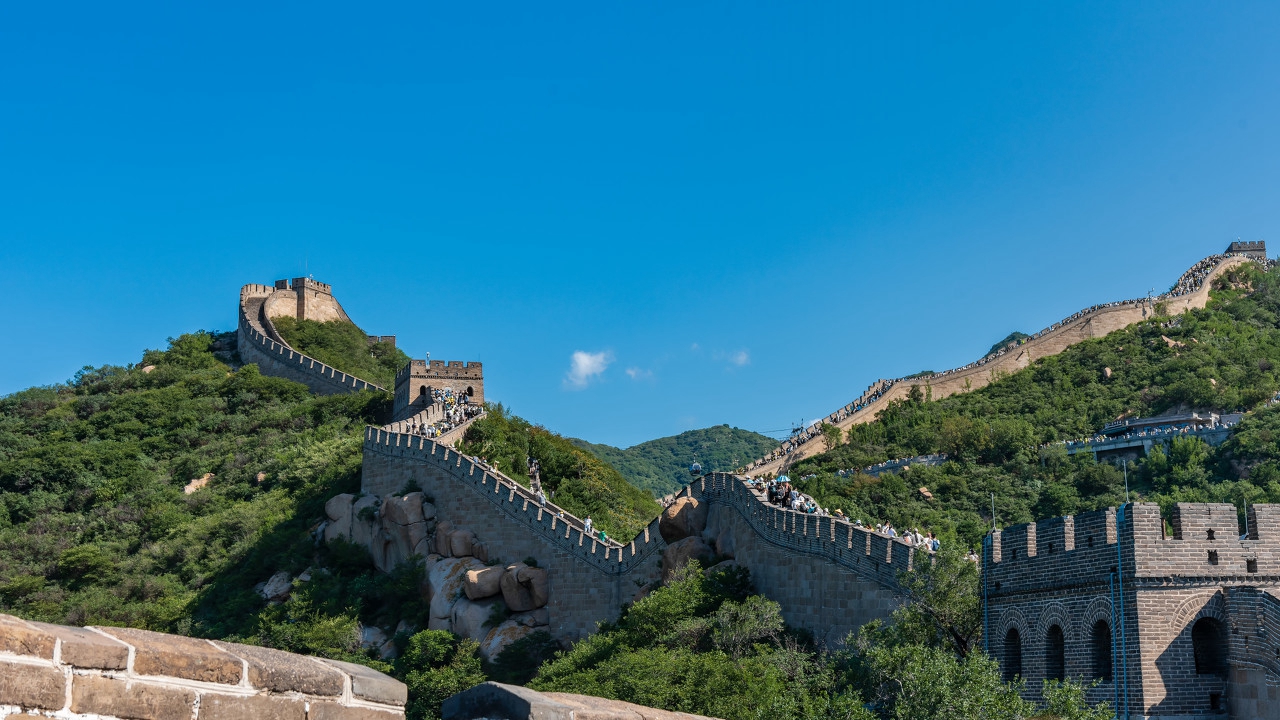
Beijing is the capital of the People’s Republic of China. It is the national political center, cultural center, center for international exchanges, and center for scientific and technological innovation. Nestled on the north of the North China Plain, it borders Tianjin Municipality to the east and is surrounded by Hebei Province on all other sides, covering a total area of 16,410.54 square kilometers. As of the end of 2024, the city had a permanent population of 21.832 million, including 19.26 million urban residents, accounting for 88.2% of the total. In 2025, Beijing’s gross regional product (GRP) exceeded the 5-trillion-yuan mark and reached 5.20734 trillion yuan, representing a year-on-year increase of 5.4% at constant prices.
Boasting a history of over 3,000 years as an established city and more than 870 years as the capital, Beijing has a profound historical and cultural heritage. It is a world-renowned historical and cultural city with the largest number of UNESCO World Heritage sites among all global cities. Having successfully hosted the 2008 Summer Olympics and the 2022 Winter Olympics, it is the world’s first and only “Dual Olympic City.”The city has a sound public cultural service system, with over 200 museums. Hosting more than 10,000 cultural and artistic performances annually, it is building itself into a “City of Performing Arts.”
Beijing is a hub of scientific and technological innovation resources, housing 92 institutions of higher education, 145 national key laboratories, and over 1,000 scientific research institutions. It is home to nearly half of the academicians of the Chinese Academy of Sciences and the Chinese Academy of Engineering. With a well-developed industrial system, the city has cultivated three trillion-yuan industrial clusters, namely next-generation information technology, science and technology services, and pharmaceutical and health care, as well as seven 100-billion-yuan industrial clusters including artificial intelligence, and energy conservation and environmental protection.
Beijing boasts a sound ecological environment, with over 1,100 various types of parks and a forest coverage rate of 45%. In 2025, the annual average concentration of fine particulate matter (PM2.5) dropped below 30 micrograms per cubic meter for the first time, and multiple air quality indicators reached the best level since monitoring began. Remarkable achievements have been made in water resource protection and biodiversity conservation. A total of 527 bird species have been documented in Beijing, accounting for more than one-third of China’s total. It is among the most biodiversity-rich metropolises in the world.
NANJING
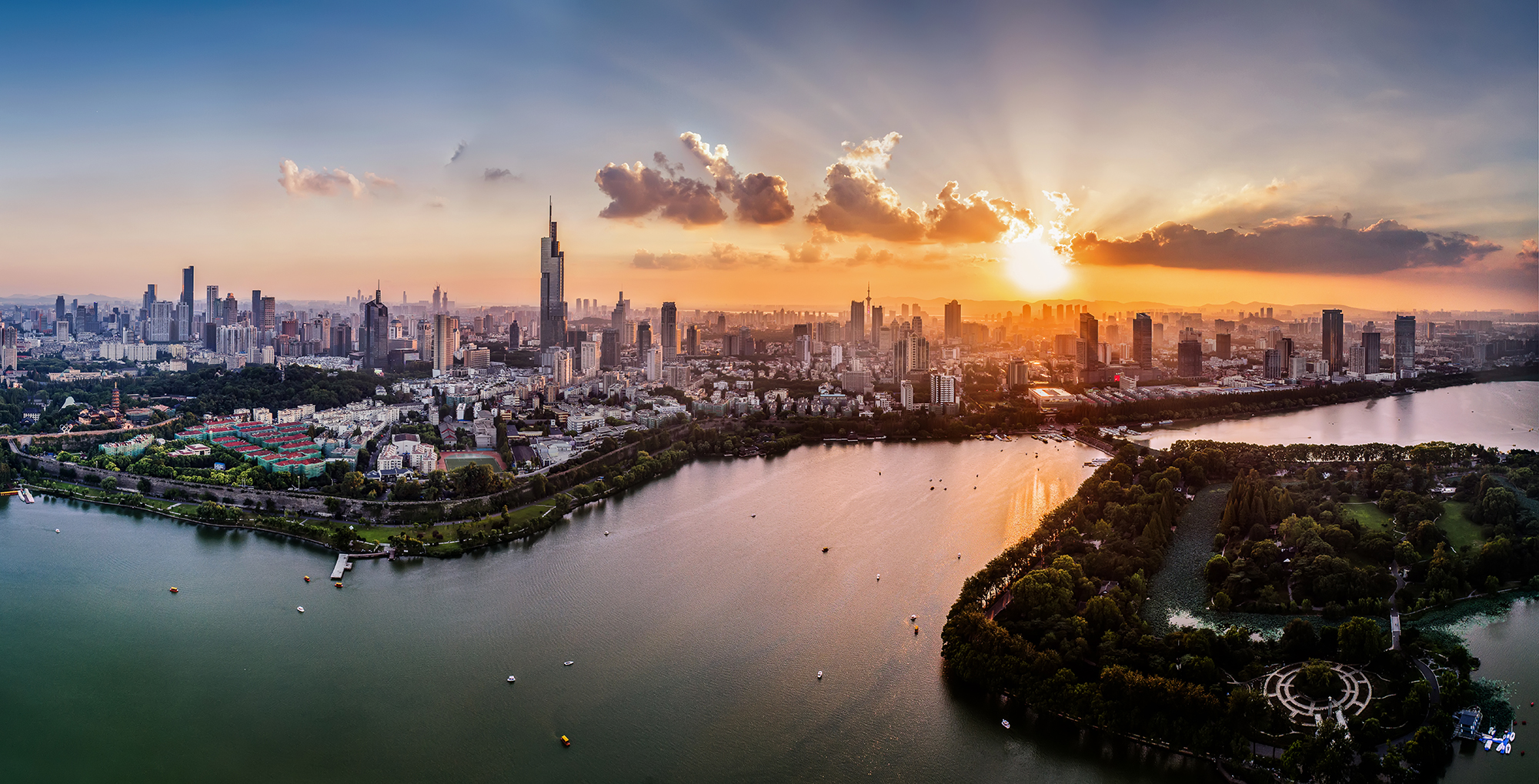
Nanjing, the capital city of Jiangsu Province, covers a total area of 6,587 square kilometers with a permanent resident population of 9.577 million. It serves as an important central city in eastern China, a national historical and cultural city, and an international integrated transport hub. Its GDP ranks among the top ten in the Chinese mainland.
Nanjing boasts a picturesque landscape integrating mountains, waterscapes, ancient city sites and forests. The green coverage rate in built-up areas is over 45% and 87.4% of days report good air quality throughout the year, reflecting excellent urban greening, water environment, and atmospheric conditions. In 2025, it attracted over 200 million domestic and international visitors, ranking first in the province.
Nanjing possesses a refined character that harmoniously reflects both its historical grandeur and modern vitality. Nanjing’s civilization spans over 6,000 years and it has 3,100 years of history as a city, during which it served as a capital for 450 years. It is home to the Xiaoling Mausoleum of the Ming Dynasty, a UNESCO World Heritage Site and five items of UNESCO Intangible Cultural Heritage. Recognized as a UNESCO City of Literature, it is also the port of departure for Zheng He’s (a navigator of China’s Ming dynasty who led a fleet on seven epic voyages to the “Western Oceans” ) maritime expeditions.
Nanjing possesses rich and high-quality innovation elements. It is home to 54 higher education institutions and 62 research institutes. Nanjing ranks third nationwide in the number of universities designated as Double First-Class, and is home to 102 academicians from the Chinese Academy of Sciences or the Chinese Academy of Engineering, or both. The city hosts 34 national key laboratories. It ranks fifth globally in Nature Index-Science Cities 2025. The sci-tech clusters in Nanjing rank fifteenth worldwide and fifth in China in the Global Innovation Index Ranking.
Nanjing boasts a sound and complete modern industrial system. Its manufacturing sector covers 37 of the 41 International Standard Industrial Classification of All Economic Activities defined by the United Nations. The city is home to four national advanced manufacturing clusters: software and information services, smart grids, the southern Jiangsu special steel materials, and the Yangtze River Delta large passenger aircraft cluster (a collaborative cluster involving other neighboring cities). Emerging industries such as artificial intelligence, robotics, and next-generation information and communications technologies have achieved double-digit growth. In 2025, the revenue from software and information services exceeded one trillion yuan, while the biomedicine sector was among China’s first echelon. The scale of smart grid industry has exceeded 500 billion yuan. The city secured the third highest number of newly designated national “single-item champion” manufacturers and was awarded as 2025 Cities of Excellence in Investment Attractiveness.
Nanjing enjoys the strategic advantage of being an open and well-connected hub. It is positioned as a city hosting a large-scale airport with an annual passenger capacity of tens of millions, a port with an annual cargo throughput of over a hundred million tons, and a national-level high-speed rail hub. It operates 35 international air routes, and its China-Europe Railway Express services connect to over 70 cities in more than ten countries. Its global sister cities network has spanned 110 cities in 59 countries. A total of 118 Fortune Global 500 companies have invested, established operations, and expanded their presence here. It has been named among the top ten in the survey findings of Amazing China-The Most Attractive Chinese Cities in the Eyes of Foreign Talents nine times, and has been recognized as a national benchmark city for business environment.
HONG KONG SAR
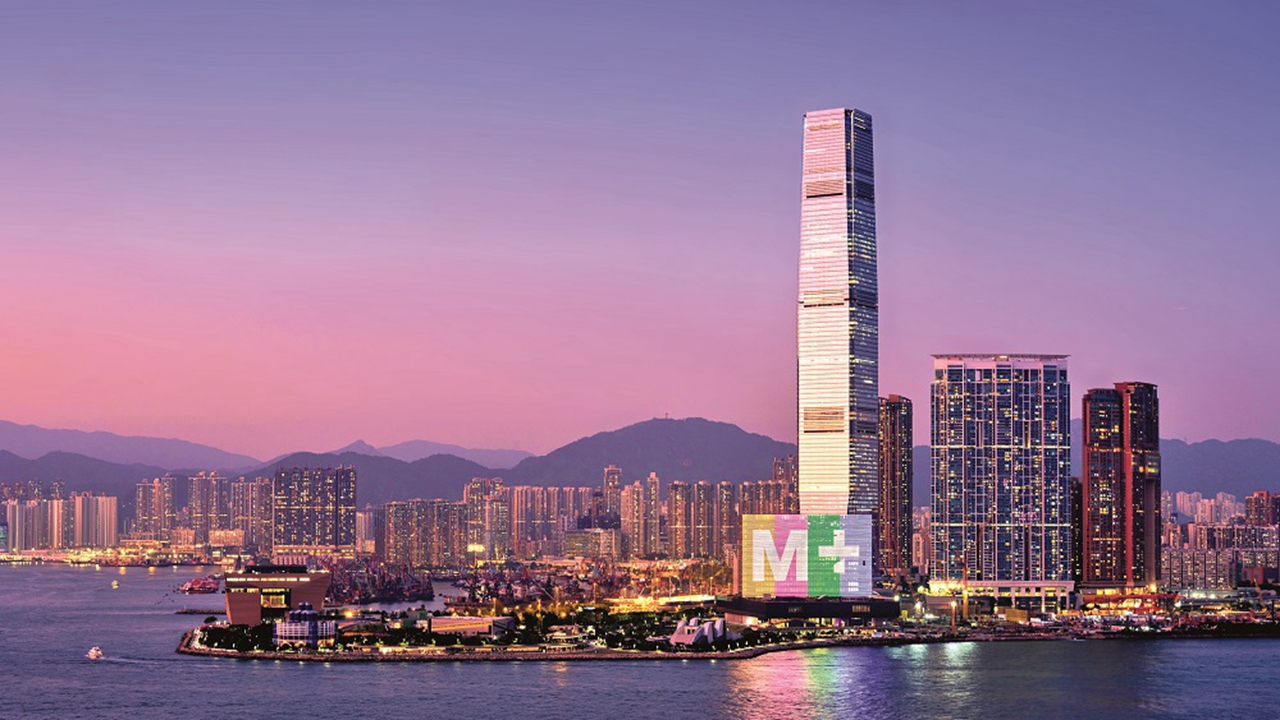
Under "One Country, Two Systems," the Hong Kong Special Administrative Region (Hong Kong SAR) proactively leverages its important roles as a "super connector" and "super value-adder" and its unique advantages to play a vital role in the development of the Guangdong-Hong Kong-Macao Greater Bay Area and the "Belt and Road" Initiative.
As an international financial and trade centre, Hong Kong SAR enjoys free flow of capital, free trade, and a free market. In 2025, Hong Kong SAR topped the worldwide position in IPO fundraising. It is also home to the world's largest offshore Renminbi liquidity pool, Asia's largest hedge fund hub, the second largest private equity fund centre in Asia (as of end 2025), as well as a leading fundraising hub for biotech companies.
As an international aviation hub, maritime centre and logistics hub, the Hong Kong International Airport (HKIA) has experienced robust growth in air traffic. In 2024, HKIA was awarded Asia's Leading Airport and China's Leading Airport (World Travel Awards). It has also been named the busiest cargo airport in the world for the 14th time since 2010 (Airports Council International). Supported by a high-quality maritime services cluster, the city's port is renowned for its efficiency and rapid customs clearance. From 2020 to 2025, Hong Kong SAR Port ranked 4th globally in the Xinhua-Baltic International Shipping Centre Development Index for six consecutive years.
As a regional hub located at the mouth of the Pearl River Delta (PRD), Hong Kong SAR benefits from a range of infrastructure and transportation projects that significantly reduce travelling time between Hong Kong SAR and other PRD cities. The Hong Kong SAR Section of the Guangzhou-Shenzhen-Hong Kong Express Rail Link connects Hong Kong SAR to the world's largest national high-speed rail network. Additionally, the Hong Kong-Zhuhai-Macao Bridge strengthens the connectivity between the western bank of the Pearl River and Hong Kong SAR.
With a cosmopolitan community that enjoys the best of Eastern and Western cultures, Hong Kong SAR is truly Asia's world city. Despite its dense population, Hong Kong SAR offers numerous attractions, including beautiful countryside, captivating islands, a rich cultural calendar, and exciting international sporting events. Hong Kong SAR warmly welcomes talent, professionals and entrepreneurs from around the world.
MORE ABOUT THE GBA
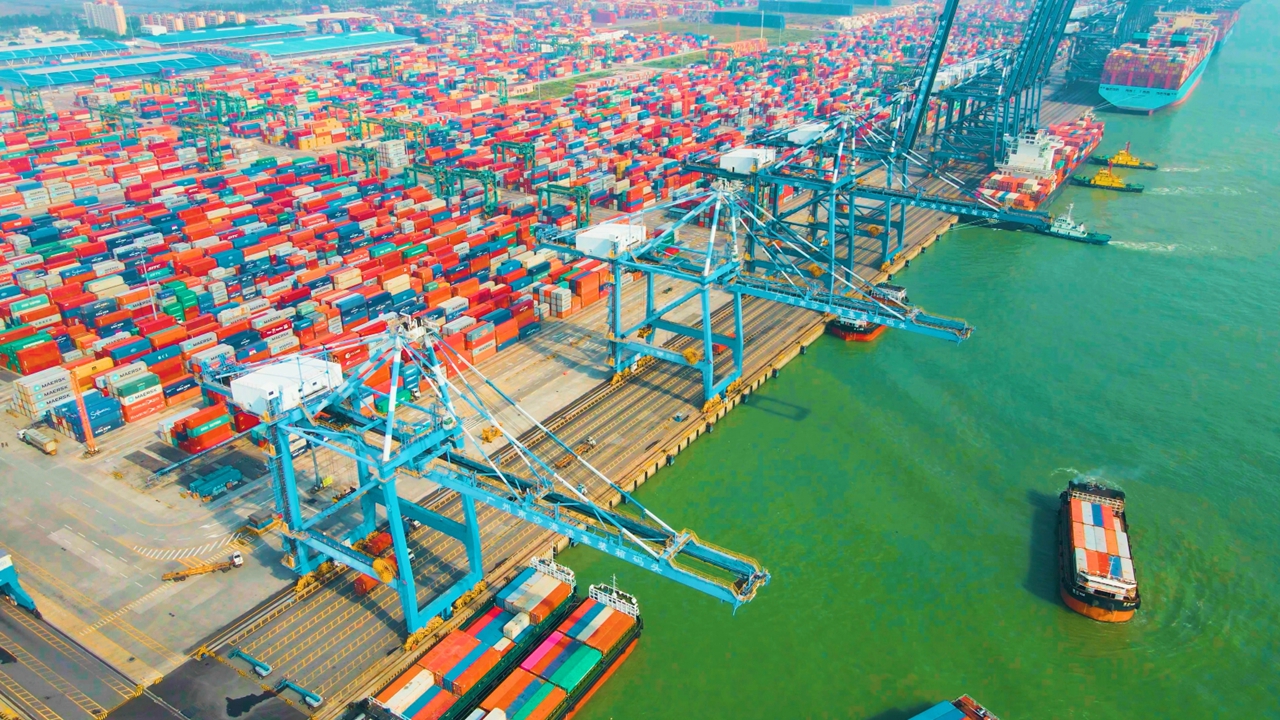
The Guangdong-Hong Kong-Macao Greater Bay Area (GBA) spans the Hong Kong and Macao Special Administrative Regions, as well as the cities of Guangzhou, Shenzhen, Zhuhai, Foshan, Huizhou, Dongguan, Zhongshan, Jiangmen, and Zhaoqing in Guangdong Province. Covering 56,000 square kilometers and home to more than 87 million people, GBA generates 1/9 of China’s total economic output despite occupying less than 1% of the country’s land area and 6% of the total population. It is one of China’s most open and economically vibrant regions.
GBA has five visions:
·A vibrant world-class city cluster
·An international sci-tech innovation center with global influence
·A pillar for Belt and Road cooperation
·A demonstration zone for in-depth cooperation between the Chinese mainland and Hong Kong and Macao
·A quality community suitable for living, working, and traveling
In recent years, GBA has made remarkable development. The Shenzhen-Hong Kong-Guangzhou innovation cluster has leaped to the top place globally in the Global Innovation Index released by the World Intellectual Property Organization. The “GBA on Rail” initiative has been accelerated, achieving one-hour mobility between major cities in the region. World-class airport clusters and port clusters are taking shape at a faster pace. Cross-border flows of goods, capital, talent, data, and other factors among Guangdong, Hong Kong, and Macao have become more efficient and convenient. Collaboration has been steadily extended across a wide range of sectors, including employment, entrepreneurship, education, healthcare, social security, and environmental protection. The development of key cooperation platforms, such as Hengqin, Qianhai, Nansha, and Hetao, has accelerated, with their exemplary and leading role on the GBA development growing stronger.