
 Share
Share


 Print
Print'Miracles' second episode released
Writer: Han Ximin | Editor: Lin Qiuying | From: Original | Updated: 2025-12-25
“Niu Niu the Yak,” the second episode of short drama series “The Miracles”, was premiered during the prime-time slot on CCTV-1 on Tuesday. This series is the first original premium short drama produced by China Media Group and the Publicity Department of the CPC Shenzhen Municipal Committee.
 A poster of “Niu Niu the Yak.”
“Niu Niu the Yak” consists of two parts, featuring acclaimed actor Hu Ge and young actor Yu Shi. They bring to life a heartwarming story centered on trust, understanding, and cultural integration.
In the short drama, Hu plays Zhang Zhaoyuan, a Shenzhen-based aid worker stationed in Xizang Autonomous Region. His core mission is to introduce “yak insurance” — a novel concept — to local herders.
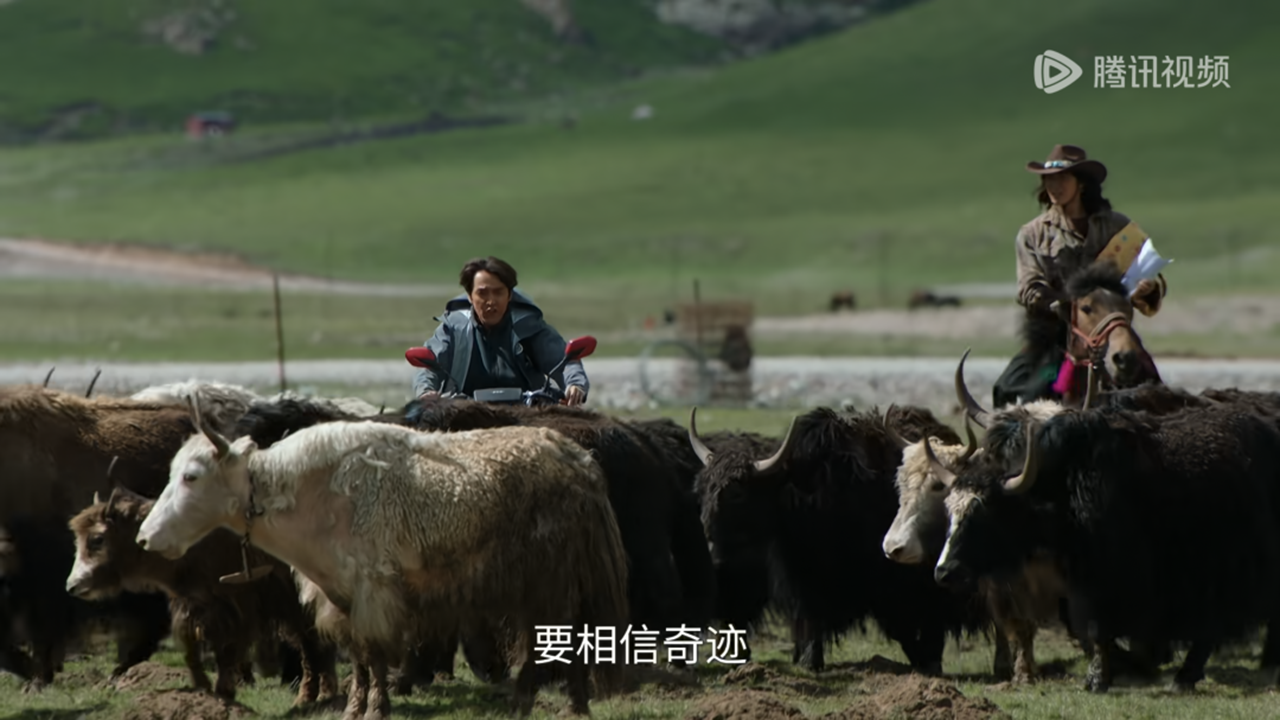
A scene from “Niu Niu the Yak.”
Yaks are the most valuable assets for herders, and the insurance aims to provide a modern safeguard for their livelihoods. However, the task is far from simple. Language barriers, cultural differences, and the herders’ wariness of unfamiliar ideas pose significant challenges.
The drama depicts Zhang’s efforts as filled with humorous yet relatable setbacks. Through his nuanced performance, Hu portrays the authentic struggles of an outsider with good intentions who has yet to find the right approach. Like countless individuals who come to Shenzhen to pursue their dreams, Zhang is determined, resilient, and driven by a vision. Faced with difficulties, he refuses to give up. Instead, he strives to win over the herders through his actions and sincerity.
The charm of “Niu Niu the Yak” extends beyond the story of how an insurance product is implemented. It delves deeply into Zhang’s personal journey, highlighting the challenges he faces in his family relationships, while seeking understanding in his work, thereby adding depth and dimension to his character.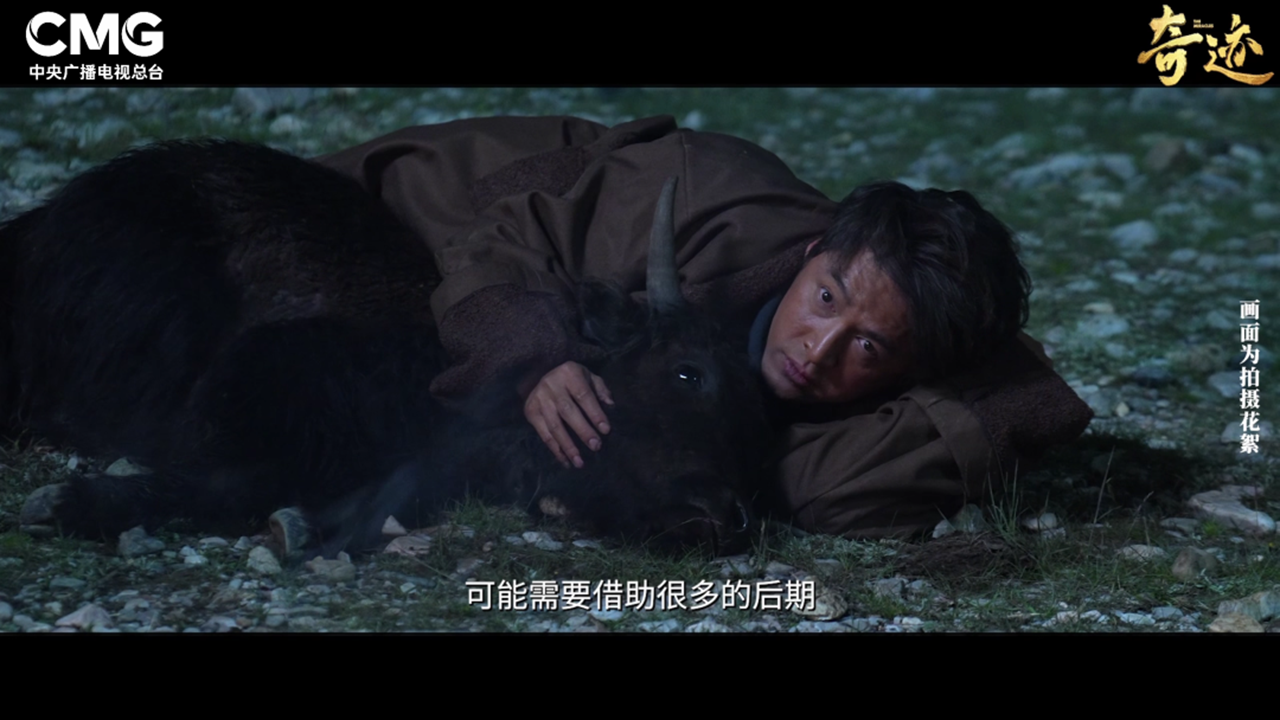
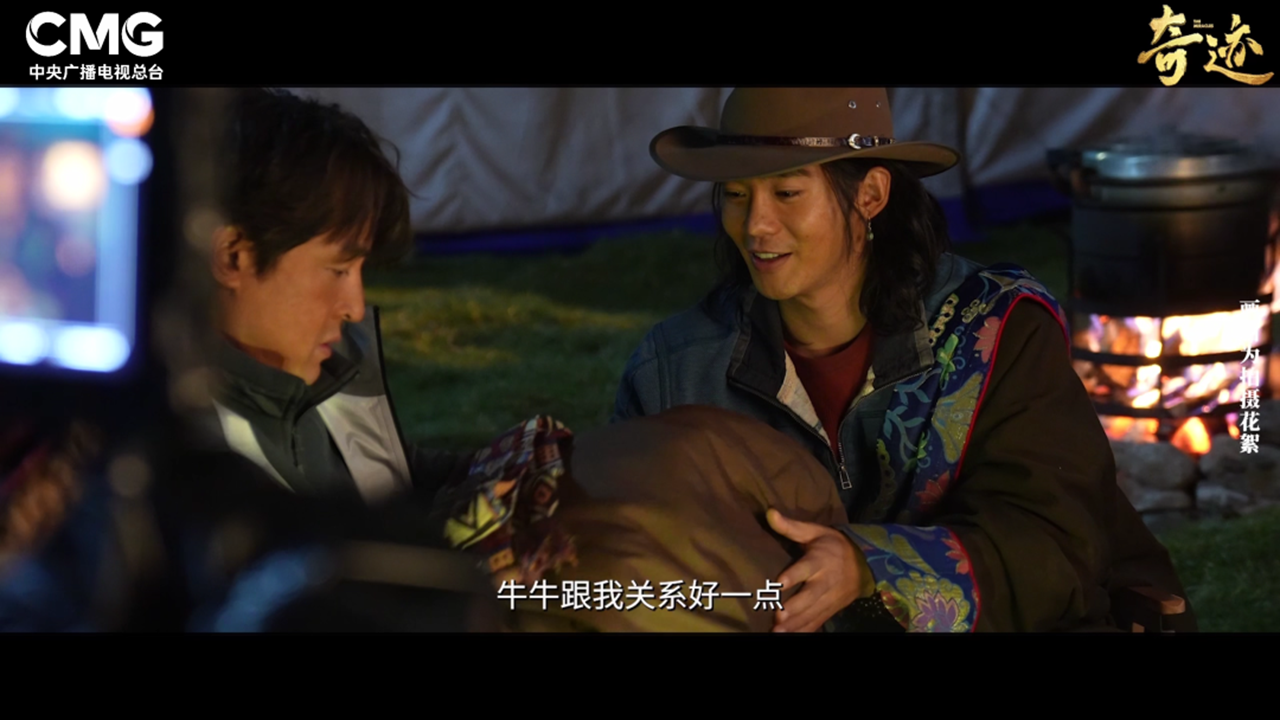
Scenes from “Niu Niu the Yak.”
The success of promoting yak insurance becomes a solid bridge — connecting Shenzhen’s pioneering spirit with the resilient vitality of the snow-capped plateau, linking policy-driven financial innovation with the basic livelihood needs of herders, and fostering precious trust among people of different ethnics and cultural backgrounds.
In reality, Zhang’s story is not an isolated case. He represents the 14,000 cadres and professionals who have been dispatched from Shenzhen to the frontline pairing aid work. Shenzhen has funded construction of hospitals, schools, and roads in the aid work, integrating the city’s “planning-first” approach into the “development blueprint” of the Xizang plateau.
In education, Shenzhen has sent multiple batches of voluntary teachers to teach in Xizang. In the industrial sector, Shenzhen has introduced modern farming techniques and cultivate industries specifically for Xizang, transforming “blood transfusion” aid into sustainable “blood-making” development.
Over the years, Shenzhen has cumulatively invested over 65.4 billion yuan (US$9.31 billion) in aid funds, partnering with 140 counties across 17 provinces (autonomous regions, and municipalities) and implementing 52,000 projects.

A poster of “The Miracles.”