
 Share
Share


 Print
Print'The Spark' shines spotlight on HK-SZ youth entrepreneurship
Writer: | Editor: Lin Qiuying | From: Shenzhen Daily | Updated: 2026-01-04
A story that begins in a University of Hong Kong dorm room and stretches to Shenzhen’s Qianhai innovation hub reached millions of viewers Dec. 30 as "The Spark,“ the sixth installment of the nationally broadcast drama series ”The Miracles," aired in prime time on CCTV‑1.
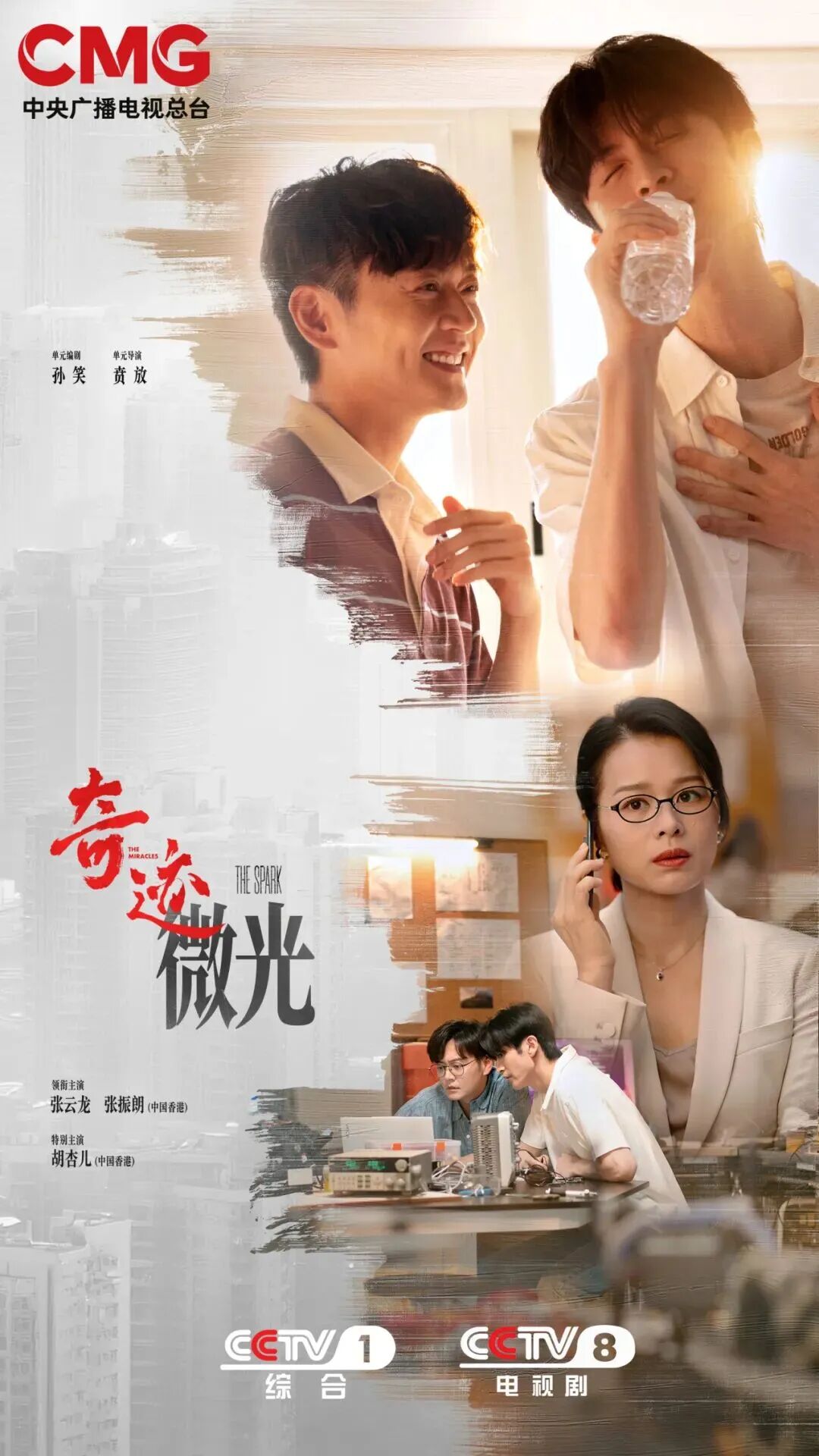
A poster for "The Spark."
The short drama unit, jointly produced by China Media Group and the Publicity Department of the CPC Shenzhen Municipal Committee, follows two young Hong Kong men — Hu Xiaoyu and Chen Jiawen — as they pursue their studies, develop sensor technology and cross the border to build a startup in Shenzhen.
Played by Zhang Yunlong and Zhang Zhenlang, the two young men grew from classmates into entrepreneurial partners. The drama blends light comedy with moments of high tension as the pair navigate research setbacks, financial pressure and the strain their ambitions place on their friendship.
Viewers watched as government startup subsidies help sustain their research and as their self‑developed sensor technology is used to save the father of one of the partners — plot points that many online commenters said made the story feel both dramatic and deeply human.
On social media, Shenzhen residents said the characters’ choices reflected real‑life struggles faced by young people from Hong Kong seeking opportunities on the mainland. One viewer wrote that Chen’s decision to quit and later return to the partnership was “painfully real.”
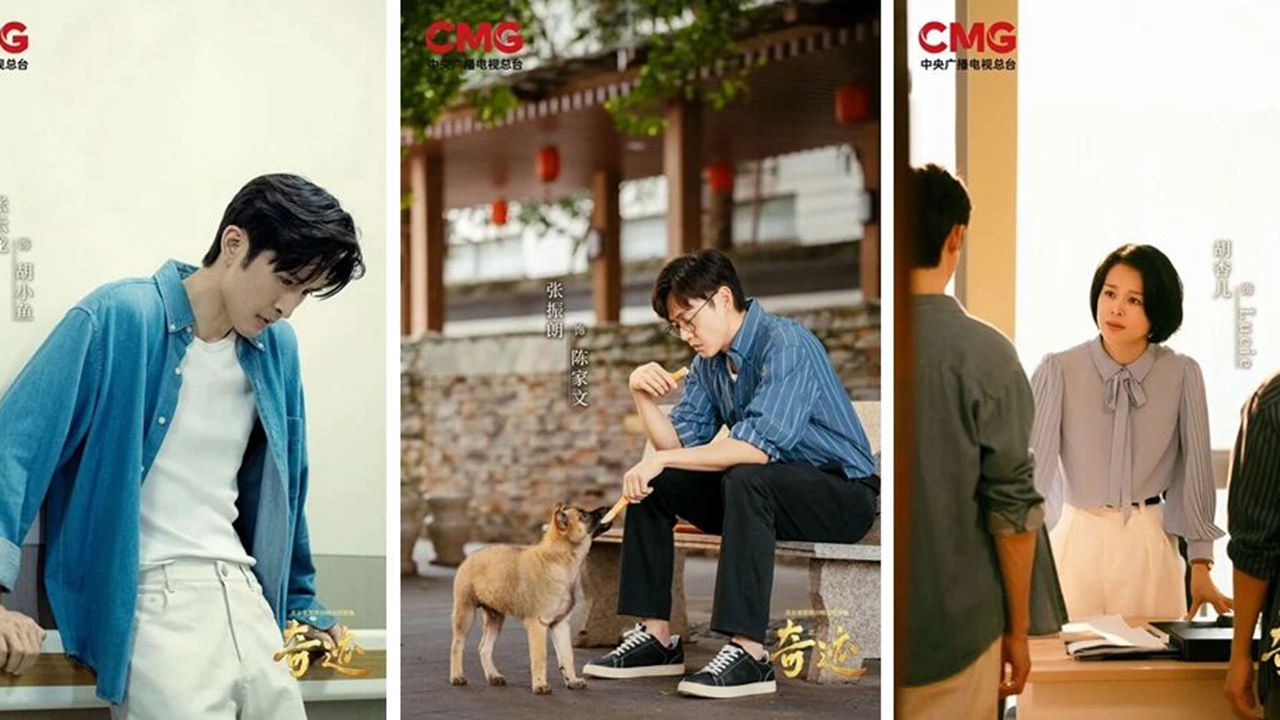
(From L) Zhang Yunlong as Hu Xiaoyu, Zhang Zhenlang as Chen Jiawen and Myolie Wu as Lucie in "The Spark."
The drama’s popularity comes as cross‑border exchanges between Shenzhen and Hong Kong reach new highs, with daily passenger flows at times exceeding 1 million. Shenzhen has established 12 innovation and entrepreneurship bases for young people from Hong Kong and Macao, incubating about 2,700 projects. In the Hetao cooperation zone alone, 447 technology companies and more than 10,000 researchers are now at work, including more than 1,000 entrepreneurs from Hong Kong and Macao.
Qianhai, one of Shenzhen’s key reform zones, has become a major gateway for Hong Kong youth launching businesses on the mainland. Its “12 Measures” support package and the Qianhai Shenzhen‑Hong Kong Youth Innovation and Entrepreneur Hub (Ehub) have helped incubate more than 1,400 Hong Kong startup teams, while providing policy support, office space and business services.
Zhou Pan, a Hong Kong entrepreneur working at Ehub, said the fictional journey of Hu and Chen mirrors what many technology founders experience in real life.
“Their story is the story of every tech entrepreneur in Qianhai,” Zhou said. “When the line ‘Let Chinese technology go global’ is spoken in the drama, it feels exactly like what we hear every day in pitch meetings.”
He said policies such as the “Qianhai 12 Measures” and the “Ehub 1510” program provide entrepreneurs with everything from workspace and legal support to financing channels, allowing young founders to focus on innovation.
Literary critic Yu Aicheng said "The Spark" succeeds by telling a big story through small, personal moments.
“It weaves the integration of Shenzhen and Hong Kong and breakthroughs in science and technology into the fate of its characters,” Yu said. “It makes the idea of China’s modernization feel tangible and relatable.”
While the story of Hu and Chen has concluded, "The Miracles" will continue with new units focusing on people striving in other fields — a series, its creators say, about the small lights of individual effort coming together to illuminate a larger future.