
 Share
Share


 Print
PrintSZ robot among China's 1st commercial space tourists
Writer: Wei Jie | Editor: Lin Qiuying | From: Original | Updated: 2026-01-26
A Shenzhen-developed humanoid robot is set to be among the first group of tourists on board China's first commercial spaceflight, scheduled to launch in 2028, commercial spaceflight firm Interstellor said in a press release Thursday.
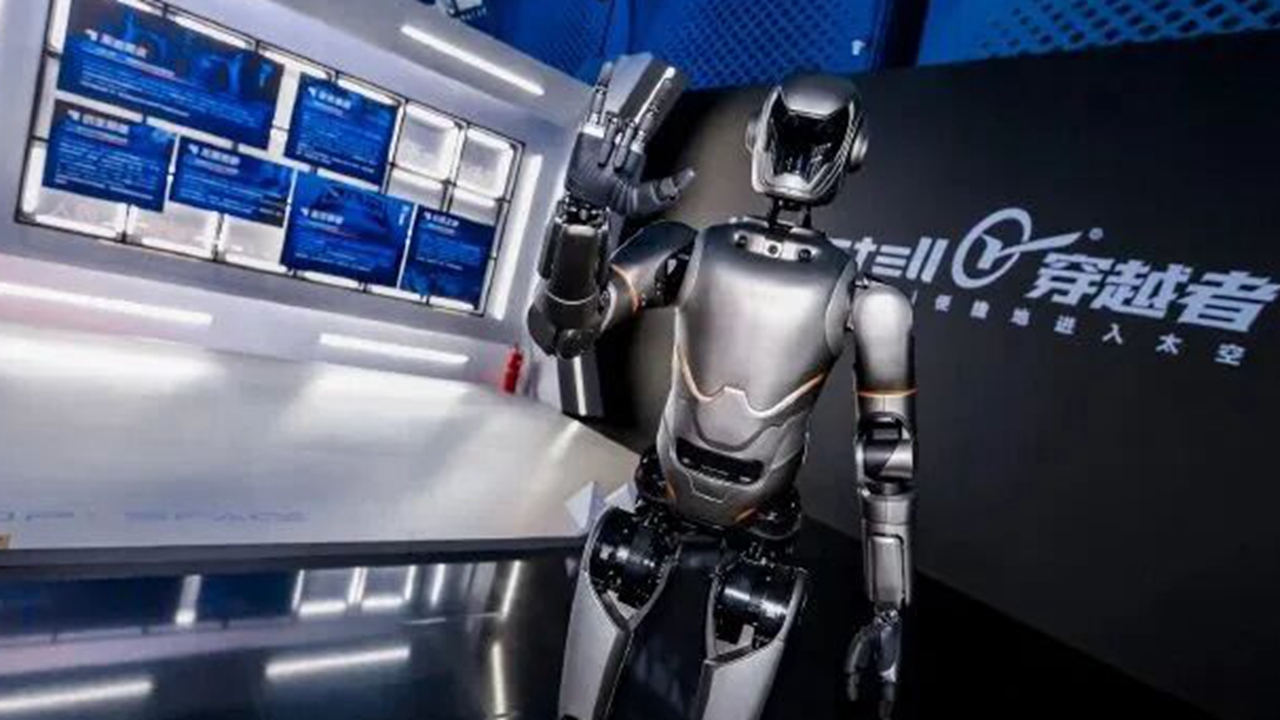
The ENGINEAI PM01, a lightweight, highly dynamic embodied intelligent agent, is set to join the first group of tourists on Interstellar’s 2028 commercial spaceflight. Photos courtesy of Interstellor
The mission will mark the country’s inaugural crewed commercial space trip. The CYZ1 spacecraft, developed by Interstellor, represents China’s entry into the commercial crewed space market. Founded in January 2023, Interstellor bills itself as China’s first company focused on commercial manned space technology, with an emphasis on reusable vehicles and space tourism.

Members of the inaugural tourist group slated to board China's first commercial spaceflight in 2028 pose for a group photo.
Other passengers announced for the inaugural CYZ1 flight include Li Licheng, an academician at the Chinese Academy of Engineering, Qiu Heng, CMO of robotics startup AgiBot, Fu Zhekuan, director of board of QF Capital, Liu Baiqi, CEO of rocket firm Galactic Energy, and actor Huang Jingyu.
Interstellor has begun advance ticket sales, pricing seats at 3 million yuan (US$430,797) each, with a 10% deposit required to secure a seat.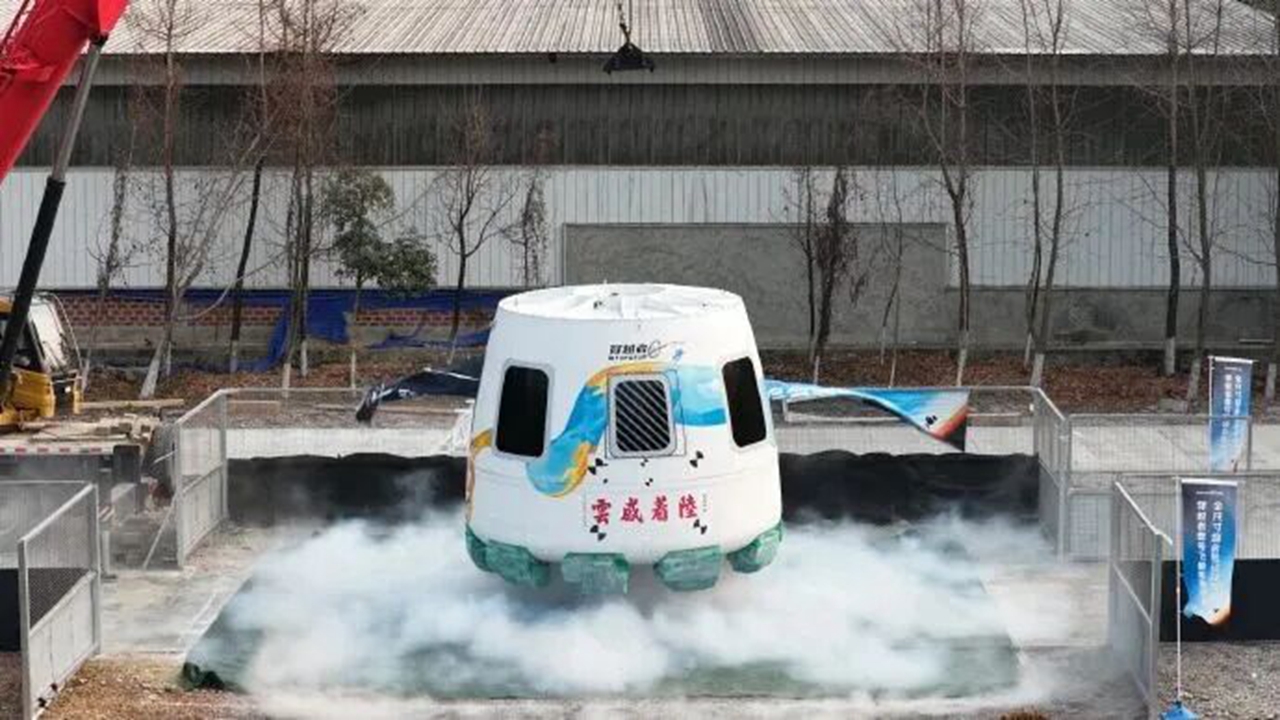
The CYZ1 spacecraft, developed by Interstellor, touches down during a test flight. The vehicle marks China’s official entry into the commercial crewed space market.
On Jan. 18, Interstellor announced successful tests of the CYZ1 prototype’s landing buffer system. This milestone, according to the firm, makes it the world's third commercial aerospace company to independently develop and validate this crucial technology for manned spacecraft.
Interstellor aims to complete development of a reusable suborbital manned spacecraft within three to four years and begin offering commercial space tourism services across China and Asia around 2028.