
 Share
Share


 Print
PrintMetro brings back beloved misheard warning
Writer: Cynthia Song | Editor: Lin Qiuying | From: Shenzhen Daily | Updated: 2026-01-28
A safety message once lost in translation is back on track — and locals couldn’t be happier.
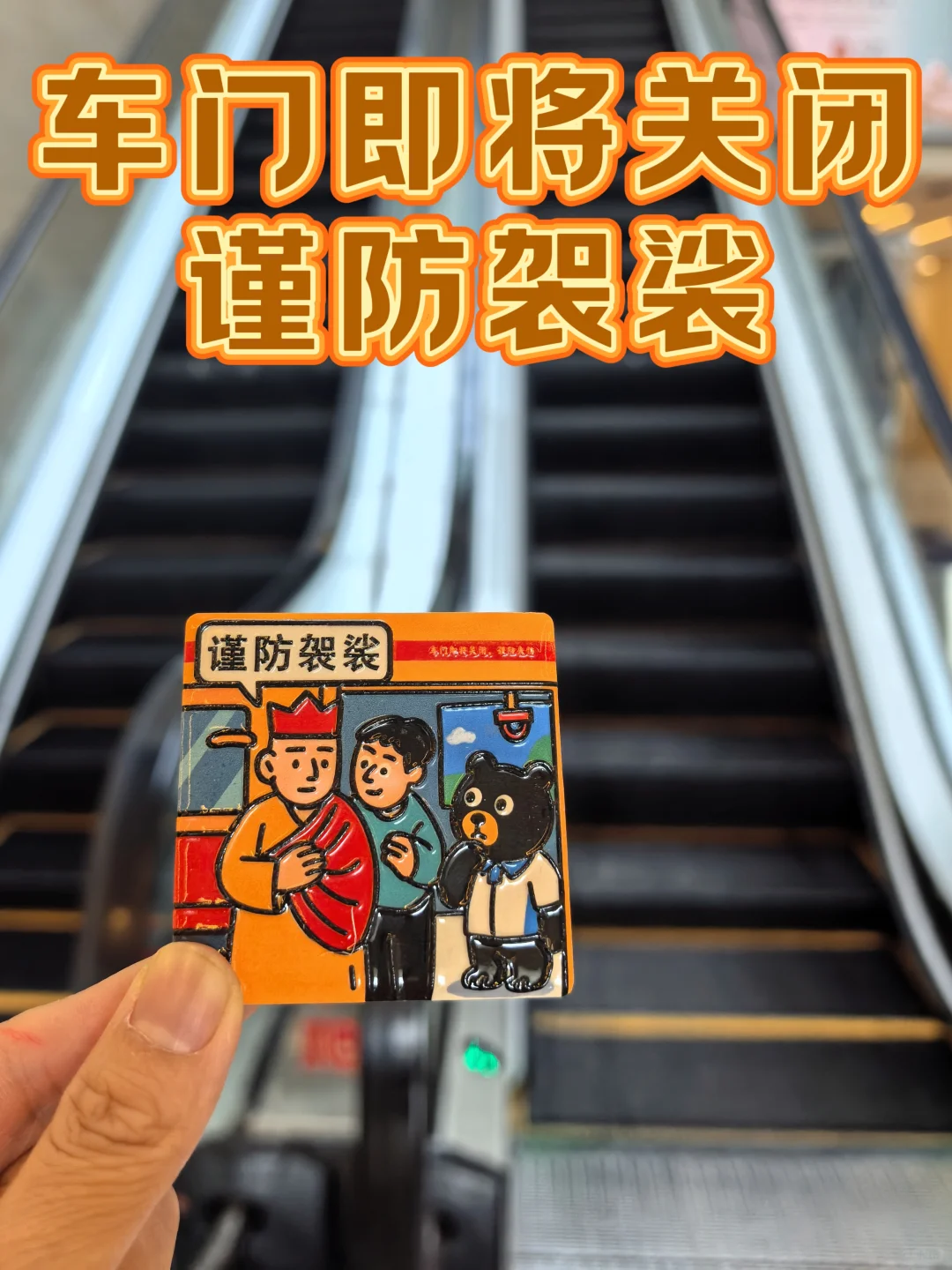
A user-created illustration referencing the famously misheard Shenzhen Metro safety announcement “谨防袈裟” (“Beware of kasaya”). The phrase, originally meant as “谨防夹伤” (“Be careful not to get pinched”), has become a beloved inside joke among local commuters. Photo courtesy of a Xiaohongshu user@东京闯荡的深圳码农(生活版)
In a city known for speed, tech, and towering skylines, it’s the little things that tug at the heartstrings. Case in point: a safety announcement on the Shenzhen Metro that wasn’t supposed to be funny — but definitely was.
After briefly disappearing during a systemwide audio upgrade, the legendary and accidentally hilarious "谨防夹伤" ("Be careful not to get pinched") announcement — famously misheard by riders as “谨防袈裟” (“Beware of kasaya,” as in a Buddhist monk's robe) — is making a triumphant return.
That’s right, “谨防袈裟” (jǐnfáng jiāshā) is back.
A misheard message, a citywide meme
Originally intended as a simple safety reminder to mind the gap and avoid getting fingers caught in the doors, the phrase "谨防夹伤" (jǐnfáng jiāshāng) became comedic gold thanks to metro acoustics and a dash of linguistic serendipity.
Instead of "夹伤" (jiāshāng, injury from being pinched), many commuters heard "袈裟" (jiāshā) — a Buddhist monk’s robe. The result? A viral inside joke that turned a generic announcement into a cult classic among Shenzhen’s metro riders, affectionately dubbed “my daily spiritual seasoning” by locals.
So when the misheard message vanished recently as part of a broadcast system upgrade, the internet mourned. Comments flooded social media:
“My electronic pickle is gone!”
“The ritual of my morning commute just disappeared!”
“I know it means ‘pinch injury,’ but ‘kasaya’ is already in my DNA!”
Shenzhen Metro: Fast, clean, and... listening
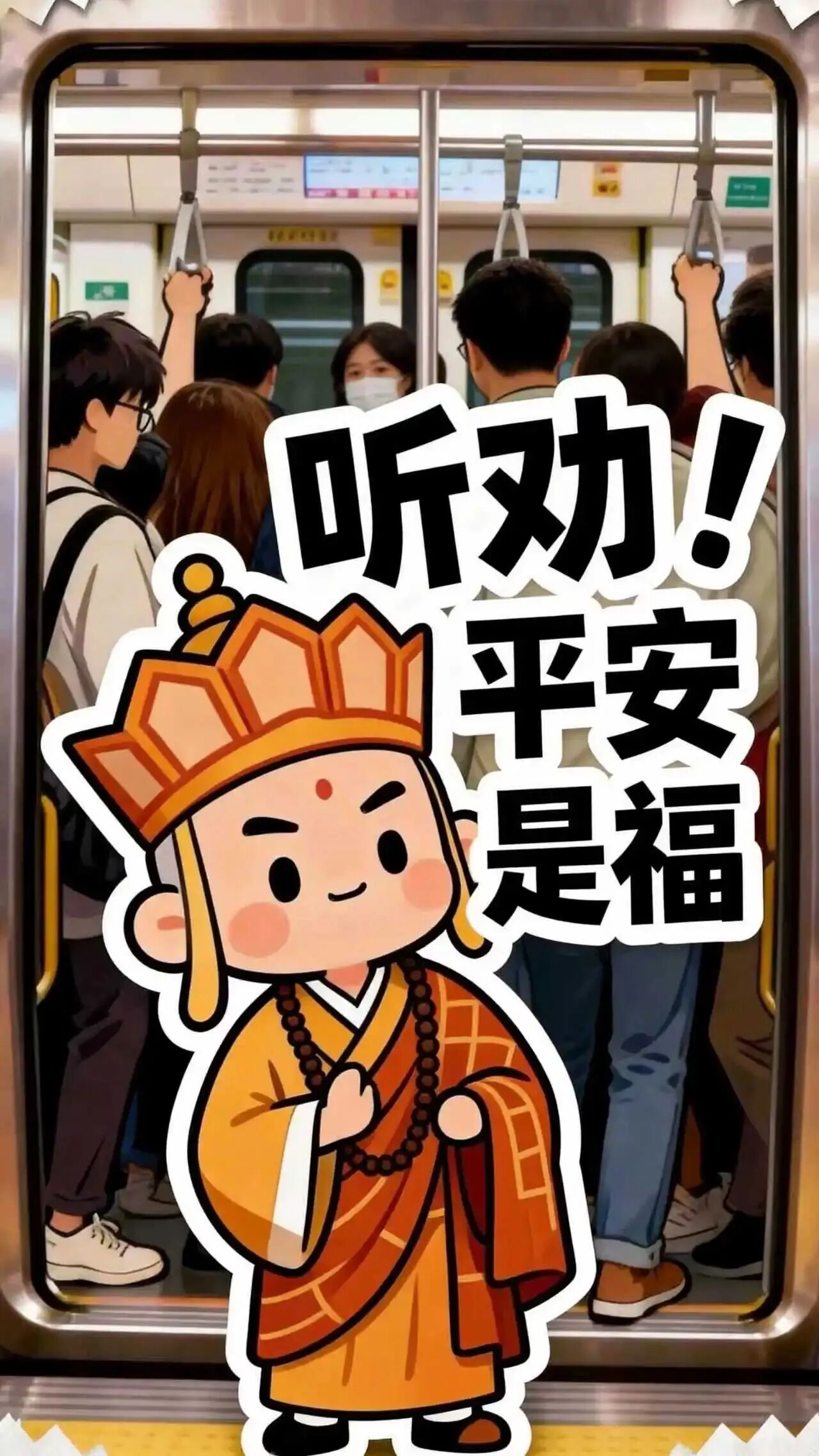
Shenzhen Metro leans into the joke with an official illustration referencing the misheard announcement “谨防袈裟 (Beware of kasaya),” now a beloved part of local commuter lore. Image via Shenzhen Metro’s Xiaohongshu account
To their credit, Shenzhen Metro did what great cities do — they listened.
After waves of nostalgic memes and heartfelt pleas, metro officials confirmed this week that “谨防袈裟” will return to platforms and trains at high-traffic interchange stations. The misheard but now iconic phrase will once again echo through the tunnels — not just as a safety precaution, but as a quirky reminder of the city’s shared humor.
“My joy has returned!” cheered one user on Weibo.
“No ‘kasaya,’ no soul!” another joked.
A city that listens, even to its laughs
This isn’t the first time Shenzhen Metro has shown it has its finger on the pulse of the people.
Take the “Sunrise Train” — another example of thoughtful innovation. Launched on a trial basis in January 2024, this special early-morning service now runs on weekends at 5:30 a.m. from Wanxia Station in Nanshan District, stopping at key transfer hubs like Houhai, Window of the World, Futian, Huangbeiling, and arriving at Dameisha Beach Station in Yantian District in just one hour — 25 minutes faster than the standard route.
The goal? To let riders “take the metro to watch the sunrise by the sea” — something that once sounded like a tourism slogan, but is now an actual part of life in Shenzhen.

Dameisha Beach Station in Yantian District is one of Shenzhen’s most popular seaside destinations. On weekends, Shenzhen Metro’s “Sunrise Train” cuts travel time from Wanxia Station in Nanshan to the beach to just one hour, making early-morning coastal getaways faster and easier for city residents. Shenzhen Special Zone Daily
From launching the scenic “Sunrise Train,” to renovating the crowded Liuxiandong Metro Station based on rider feedback, to upgrading broadcast clarity — the transit system has earned a reputation for being as responsive as it is efficient.
The return of “谨防袈裟” is more than a meme comeback. It’s a symbol of civic warmth — an unintentional cultural artifact turned beloved commuter soundtrack.
As one netizen put it: “It’s not just a broadcast. It’s a memory. It’s the feeling of belonging to this fast, funny, ever-changing city.”
Shenzhen Metro says future updates will continue to balance functionality with personality, including clearer announcements and improved sound design — but the spirit of the “kasaya” lives on.
So next time you board a train and hear that familiar voice warn you to “beware of the kasaya,” take a moment. Smile. You’re in Shenzhen — where even public transit has a sense of humor.