
 Share
Share


 Print
PrintCity details blueprint for livability
Writer: Zhang Yu | Editor: Lin Qiuying | From: Original | Updated: 2026-02-11
Shenzhen had invested approximately 1.6 trillion yuan (US$231 billion) in social welfare during the 14th Five-Year Plan period (2021-2025), city officials announced today, a figure representing nearly 70% of its fiscal expenditure during that period.
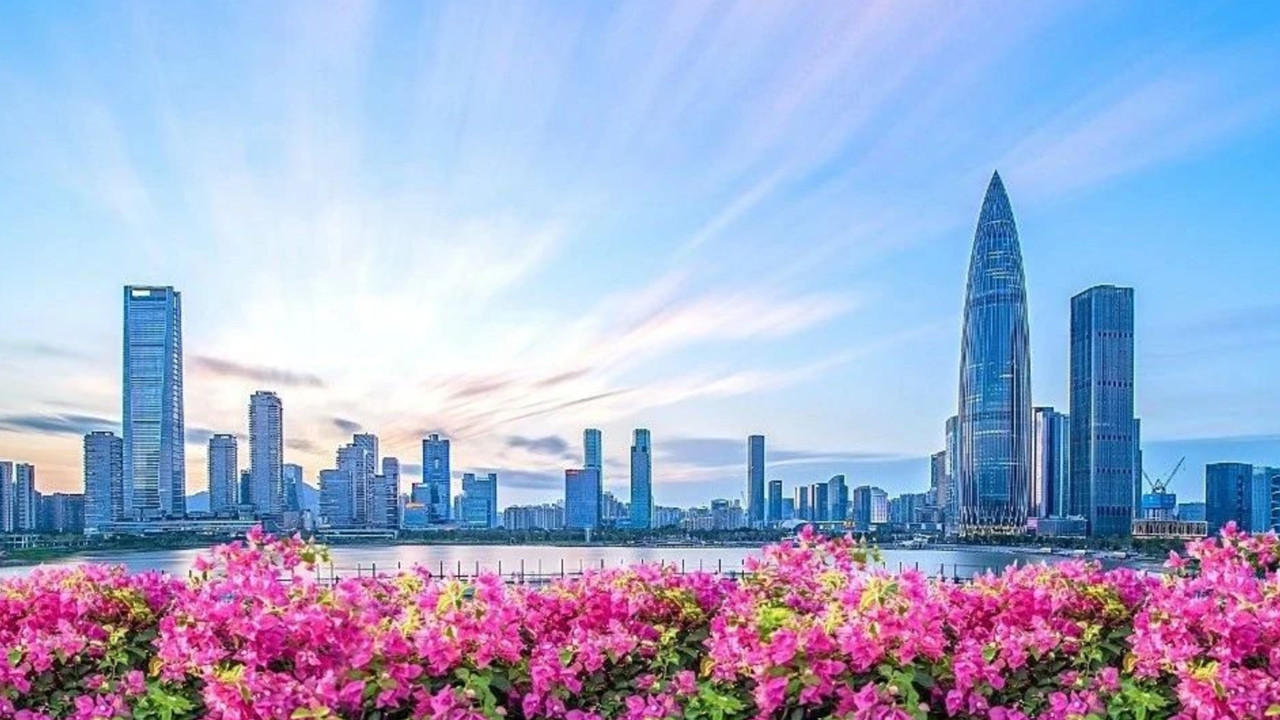
An aerial view of Shenzhen. File photo
At a press conference on social development during the city’s annual legislative session, officials outlined the achievements of the 14th Five-Year Plan period and set ambitious targets for the next phase, aiming to transform the tech metropolis into a national benchmark for urban livability.
The massive expenditure fueled significant expansions in core public services. Since 2021, the city has added over 900,000 new basic education places, more than 30,000 hospital beds, and over 600,000 units of government-subsidized housing. Officials noted that several of these metrics rival or surpass the combined totals of the previous two five-year planning cycles.
Looking ahead to the 15th Five-Year Plan, Shenzhen has outlined a vision for more accessible, balanced, and inclusive public services, according to officials.
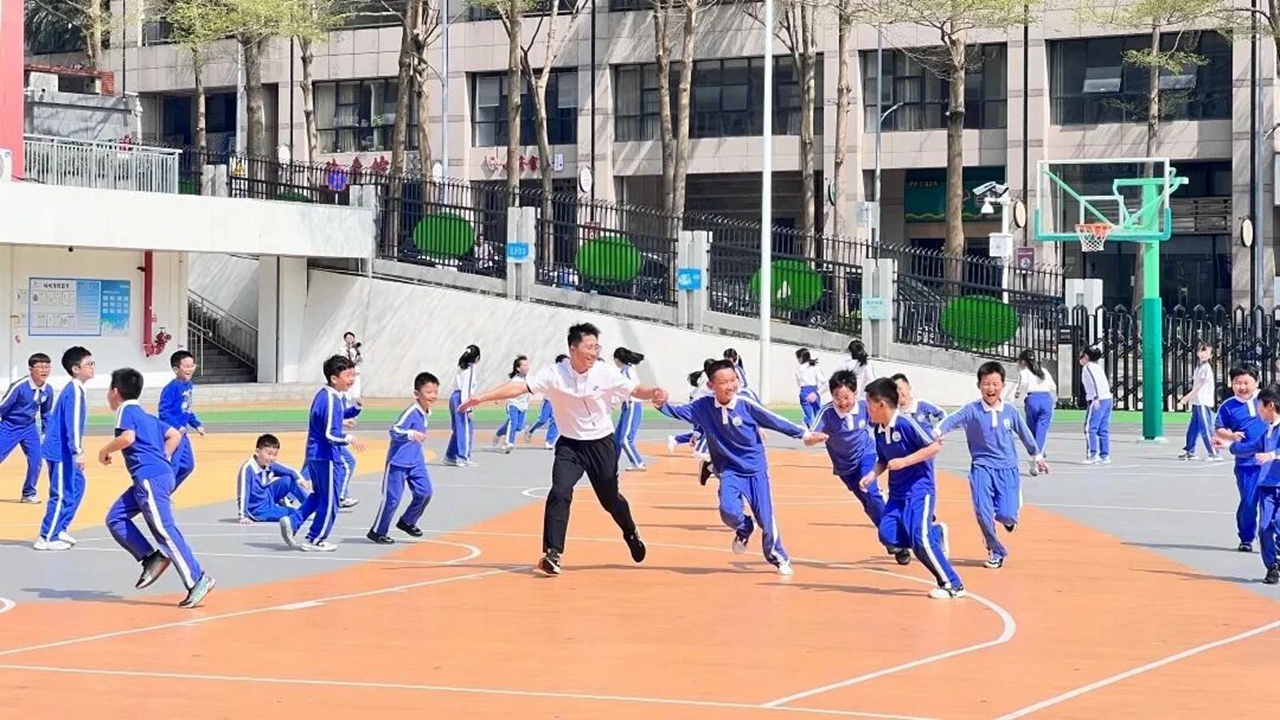
Students take part in a physical education class at a senior high school in Shenzhen. The city plans to add at least 100,000 new places in public senior high schools during the 2026-2030 period. Photo from WeChat account “深圳教育”
Key initiatives for the upcoming 2026-2030 period include a major push in secondary education, with plans to add at least 100,000 new places in public senior high schools. Shenzhen also aims for universal community coverage of childcare facilities by 2030.
Healthcare remains a priority, with plans to build a comprehensive, smart elderly healthcare system. This comes on the heels of recent progress: the city has established 21 municipal medical centers and an equal number of grassroots healthcare groups, boosting its per capita figures to five hospital beds and 3.1 doctors per 1,000 residents. A network of over 1,000 community health centers has created a “15-minute service circle” for primary care.
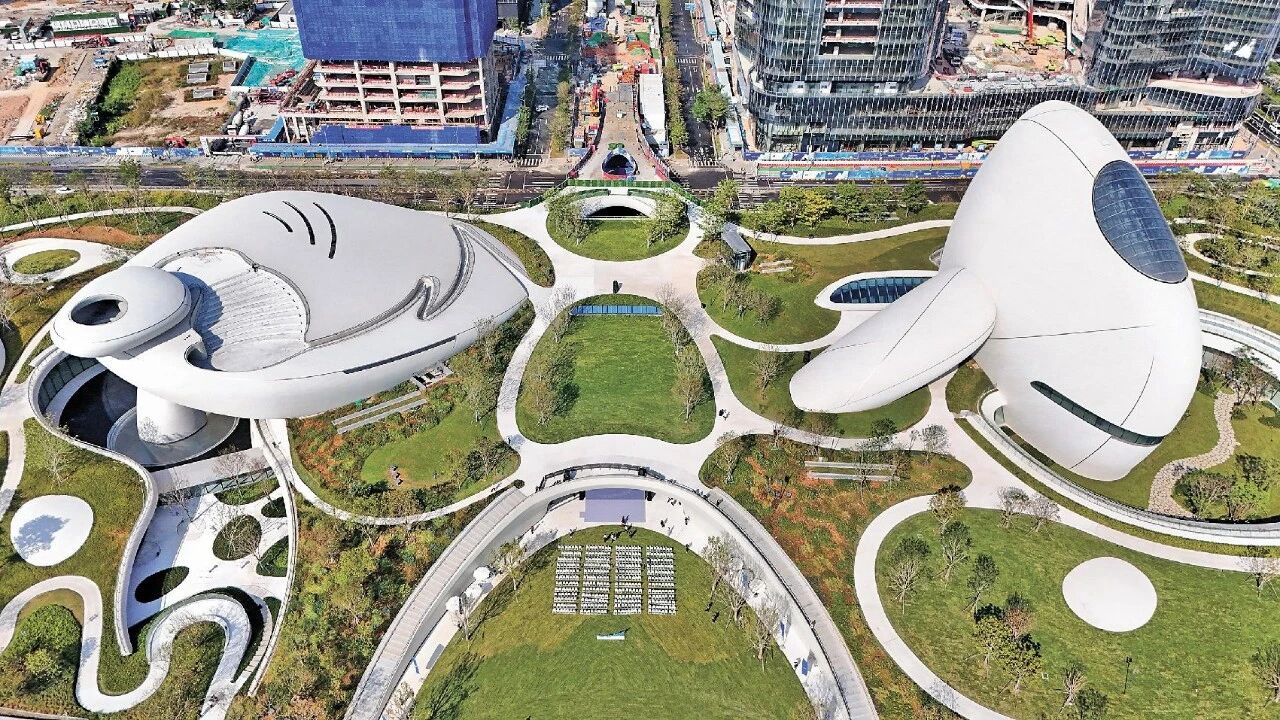
An aerial view of Shenzhen Bay Culture Square in Nanshan District. The waterfront cultural complex opened in November 2025. Shenzhen Special Zone Daily
The city’s cultural and sports infrastructure has also seen rapid growth. Over 1.1 million square meters of new public cultural space and 20 million square meters of new sports facilities were added.
Major projects like the Shenzhen Science and Technology Museum and the Shenzhen Bay Culture Square have opened alongside numerous smaller community venues. Residents now have access to over 1,800 libraries, museums, and galleries, and 49,000 sports sites, forming accessible “10-minute cultural and fitness circles.”
Looking forward, Shenzhen envisions a greener, more active urban landscape by 2030, with a goal of 5,000 kilometers of walking trails, over 800 kilometers of leisure bike paths, and 1,450 parks.